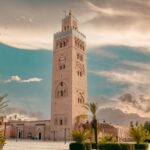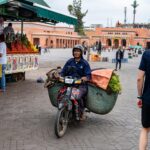

Planning Morocco winter holidays to Morocco? You’re about to discover one of the world’s most rewarding cold-season escapes — a destination where sun-drenched medinas, snow-capped mountain passes, and golden Sahara dunes coexist within a single unforgettable journey.
From late November through March, Morocco transforms into the perfect winter sun destination for travelers craving culture, warmth, and landscapes unlike anything in Europe.
Why Choose Morocco Winter Holiday?
Morocco in winter is a completely different experience from its scorching summer counterpart. While European cities shiver through grey skies, Morocco delivers:
- Comfortable sightseeing temperatures in Marrakech, Rabat, and the south
- A quieter, more authentic atmosphere in the medinas and souks
- The Sahara Desert at its most enjoyable warm days, crisp starlit nights
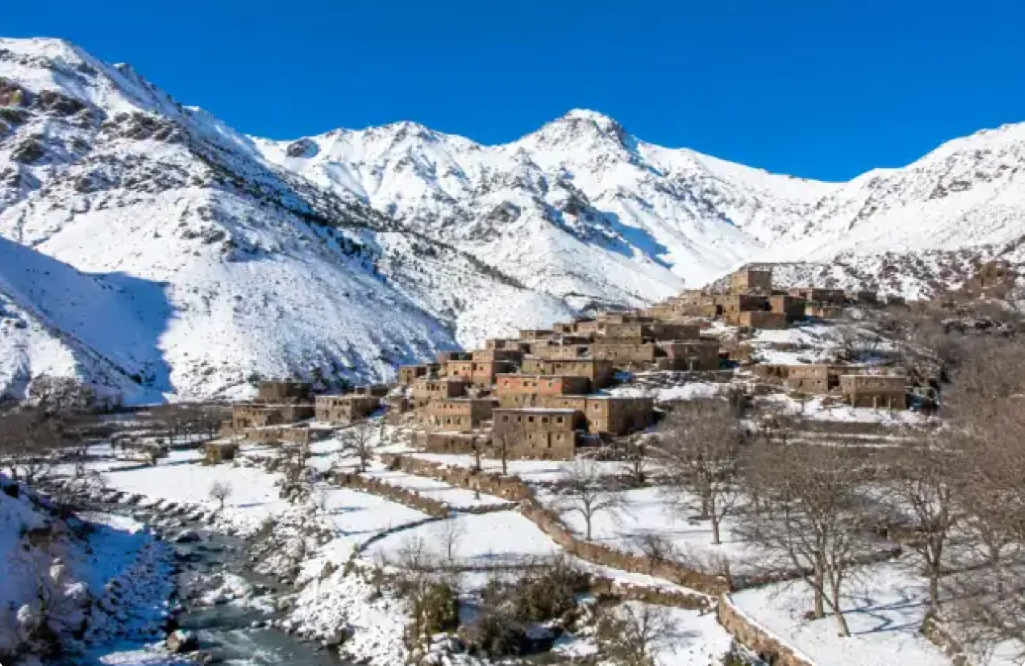
- Snow-dusted Atlas Mountain peaks creating dramatic, photogenic backdrops
- Shorter flight times from most European cities than typical Caribbean alternatives
Winter is also the ideal season for Morocco’s famous imperial cities. Walking the labyrinthine alleys of Fes or exploring Marrakech’s Jemaa el-Fna square is infinitely more pleasurable at 18°C than at 40°C. Photographers, history lovers, and food travelers all benefit from the cooler season.
SEO note for travelers: Morocco consistently ranks among the top winter sun holiday destinations from the UK, France, Germany, and Scandinavia and for excellent reason.
Table of Contents
Morocco winter holidays by Month
Understanding Morocco’s winter climate is essential for packing correctly and planning a comfortable route. The country spans multiple climate zones, so temperatures vary dramatically between regions.
December in Morocco
December is peak season for Christmas and New Year travelers. Cities like Marrakech enjoy daytime temperatures around 18–20°C, while Fes and Chefchaouen can drop to 5–8°C at night. The Sahara Desert sees daytime highs of 15–20°C, but overnight lows can approach freezing. Book accommodations early the best riads and desert camps sell out quickly during the festive period.
January in Morocco
January is the quietest winter month, ideal for budget-conscious or crowd-averse travelers. It’s the coldest month overall, particularly in northern cities and at elevation. However, Marrakech, Essaouira, and the southern desert regions remain pleasant and accessible.
February in Morocco
February brings a perceptible shift in atmosphere. Days grow longer, wildflowers begin appearing in the valleys, and the desert is at its most romantically atmospheric. This is one of the best months for couples and photographers seeking dramatic desert light and fewer fellow visitors.
March in Morocco
March is arguably the finest month for a Morocco winter holiday. Temperatures climb comfortably into the low-to-mid 20s in Marrakech, the Atlas Mountains turn vivid green, and the desert remains temperate before summer heat arrives. Spring colors, warm afternoons, and cultural festivals make March exceptional.
Best Places to Visit in Morocco in Winter
Marrakech in Winter ⭐⭐⭐⭐⭐
Marrakech is arguably the single best winter city break destination in North Africa. Wander the souks of the medina without the sweat of summer, visit the stunning Majorelle Garden, explore the Bahia Palace, and dine on rooftop terraces under clear skies. Evening temperatures drop, so bring a light jacket for post-sunset strolling.
Top winter activities in Marrakech:
- Jemaa el-Fna square at sunset
- Bahia Palace and El Badi Palace ruins
- Majorelle Garden and Yves Saint Laurent Museum
- Traditional hammam experience
- Day trips to the Atlas Mountains
Fes in Winter ⭐⭐⭐⭐
Fes is Morocco’s intellectual and spiritual capital and in winter, its medieval medina feels almost mystically quiet. Explore the Chouara tanneries, wander the 9,000 alleys of Fes el-Bali, and discover artisan workshops that have operated for centuries. Note that Fes is cooler than Marrakech; evenings can be cold, especially in December and January.
Top winter attractions in Fes:
- Chouara leather tanneries
- Al-Qarawiyyin University (world’s oldest continuously operating)
- Bou Inania Madrasa
- The pottery and mosaic artisan quarter
Sahara Desert (Merzouga) in Winter ⭐⭐⭐⭐⭐
The Sahara Desert in winter is, for many travelers, the single most magical experience Morocco offers. The Erg Chebbi dunes near Merzouga rise up to 150 meters and turn extraordinary shades of gold and amber in the low winter light.
Why winter is ideal for the Sahara:
- Daytime temperatures perfect for camel trekking (15–22°C)
- Low-angle winter sun creates the most dramatic dune photography
- Desert camps are uncrowded and atmospheric
- Crystal-clear night skies for stargazing
The one essential consideration: bring warm layers. Desert nights in December and January can drop below 5°C. Choose a quality desert camp with proper heating, thick blankets, and private bathroom facilities.
Chefchaouen in Winter ⭐⭐⭐⭐
The legendary Blue City is hauntingly beautiful in winter — empty lanes, misty mornings, and the Rif Mountains capped in snow create extraordinary photographic opportunities. Chefchaouen can be rainy and cold, so it works best as a 1–2 day stop within a larger northern circuit rather than a standalone winter destination.
Atlas Mountains in Winter ⭐⭐⭐⭐
The High Atlas presents a completely different face in winter. Villages around Imlil and the Ourika Valley receive snowfall, creating dramatic landscapes and opportunities for winter hiking or simply taking in Berber mountain culture. The drive over the Tizi n’Tichka pass (en route to the Sahara) is particularly spectacular with snow-dusted peaks.
Essaouira in Winter ⭐⭐⭐⭐
Morocco’s beloved Atlantic coastal town delivers a moodier, windswept beauty in winter. The medina is quieter, fresh seafood is exceptional, and the whitewashed ramparts against grey Atlantic skies create painterly scenes. Temperatures are mild (15–18°C), though the famous Essaouira winds can make it feel cooler. Perfect for a 2-day coastal detox at the end of a longer itinerary.
Rabat in Winter ⭐⭐⭐⭐
Morocco’s understated capital is often overlooked but rewards winter visitors with excellent museums, the atmospheric Kasbah des Oudaias, the Chellah Roman ruins, and a beautiful modern corniche. Daytime temperatures hover around 17–19°C, and the city sees very few international tourists compared to Marrakech or Fes.
The Ultimate Morocco Winter Itinerary (10–14 Days)
This route is designed to maximize variety, comfort, and efficiency across Morocco’s most compelling winter destinations.
Days 1–2: Casablanca & Rabat
Arrive in Casablanca, explore the magnificent Hassan II Mosque (one of the world’s largest), then transfer to Rabat for an afternoon at the Kasbah and evening along the oceanfront.
Days 3–4: Chefchaouen
Head north to the Blue City for photography, mountain walks, and a taste of northern Moroccan cuisine. Spend two nights to properly absorb the atmosphere.
Days 5–6: Fes
Drop into the labyrinth of Fes el-Bali. Two full days are the minimum needed hire a licensed local guide for the medina and plan an evening at a traditional riad restaurant.
Day 7: Midelt & Atlas Mountains
Drive south through the cedar forests of the Middle Atlas (watch for Barbary macaques in Azrou), pause at the dramatic Ziz Valley gorges, and arrive in Merzouga by evening.
Days 8–9: Sahara Desert (Merzouga)
Spend two nights in the desert the second night in a quality desert camp within the dunes. Sunrise and sunset camel treks, 4×4 adventures into remote dune corridors, and an unforgettable night under Saharan stars.
Day 10: Draa Valley & Ait Ben Haddou
Drive west through the stunning Draa Valley, past ancient kasbahs and palmeries, to the UNESCO-listed fortified village of Ait Ben Haddou one of Morocco’s most photographed sites.
Days 11–12: Marrakech
Arrive in Marrakech for two nights of city exploration — souks, palaces, gardens, hammams, and rooftop dining. The Medina feels vibrant but manageable in winter.
Days 13–14: Essaouira (Optional)
End with a 2.5-hour drive to the Atlantic coast for fresh seafood, coastal walks, and a relaxed final two days before departure.
Essential Winter Packing List for Morocco
Getting your packing right makes an enormous difference to comfort across Morocco’s varied winter climates.
Clothing:
- Light layers for warm daytime temperatures (T-shirts, light shirts)
- Mid-layer fleece or warm sweater for evenings
- A proper warm jacket (essential for Fes, Chefchaouen, and desert nights)
- Comfortable walking shoes with grip (medina cobblestones can be slippery)
- Modest clothing options for medina and religious site visits
- Warm hat and gloves for desert overnight stays
Accessories & Essentials:
- Sunscreen (winter sun is deceptively strong, especially in the south)
- Sunglasses
- A light rain jacket for northern Morocco
- Power adapter (Morocco uses Type C/E plugs)
- Reusable water bottle
Accommodation tip: Not all traditional riads have central heating. When booking, specifically confirm heating availability particularly in Fes and Chefchaouen.
Morocco Winter Holiday FAQs
Is Morocco worth visiting in winter?
Absolutely. Winter is one of the best seasons to visit Morocco, particularly for travelers who want comfortable sightseeing temperatures, fewer crowds, and the Sahara Desert at its most enjoyable. The combination of cultural richness, desert landscapes, and winter sun makes Morocco an outstanding cold-season destination.
How cold does Morocco get in winter?
It depends on the region. Marrakech and southern Morocco remain mild (15–20°C daytime), while Fes, Chefchaouen, and the Atlas Mountains can see temperatures near freezing at night. The Sahara Desert is warm during the day but can drop below 5°C overnight in December and January.
Is the Sahara Desert good to visit in winter?
Yes winter is arguably the best time to visit the Sahara. Comfortable daytime temperatures make camel trekking and 4×4 excursions enjoyable, and the low winter light creates spectacular photography conditions. Just prepare for cold nights.
What’s the best base city for a Morocco winter holiday?
Marrakech is the most practical base for winter holidays, with the best weather, most direct flight connections, and proximity to both the Atlas Mountains and the desert route south. However, a circuit itinerary combining multiple cities offers the richest experience.
Is Morocco safe for solo travelers in winter?
Morocco is generally safe for tourists year-round, including solo travelers. Winter brings fewer crowds and a more relaxed atmosphere in the medinas. As with any destination, standard travel precautions apply — particularly in busy marketplaces.
Can you swim in Morocco in winter?
Sea temperatures along the Atlantic coast (Essaouira, Agadir) range from 17–19°C in winter — cool but swimmable for the determined. Many hotels and riads have heated pools or hammams, which are far more comfortable and culturally authentic winter wellness experiences.
How many days do you need in Morocco in winter?
A minimum of 8–10 days is recommended to experience the key highlights: at least one imperial city, the Sahara Desert, and Marrakech. A 12–14 day itinerary allows you to add Chefchaouen, Essaouira, and a more relaxed pace overall.
Tips for Planning the Perfect Morocco Winter Holiday
- Book desert camps early for December. The best camps near Merzouga sell out weeks in advance for Christmas and New Year.
- Build in flexibility. Winter weather can bring brief rain to northern Morocco or cold snaps to Fes. A flexible private tour allows you to adapt.
- Choose riads with heating confirmed. Traditional architecture is beautiful but not always warm. Ask specifically about room heating before booking.
- Hire a licensed local guide for Fes. The medina is genuinely labyrinthine and a guide unlocks access and context that self-navigation simply cannot.
- Allow travel time between regions. Morocco’s distances look manageable on a map but mountain roads and desert routes take longer than expected. Budget driving time generously.
- Respect local culture. Winter brings local Moroccan life to the medinas in a way that summer tourism can overwhelm. Dress modestly, learn a few words of Arabic or Darija, and approach the experience with curiosity and respect.
Final Thoughts: Is Morocco the Best Winter Holiday Destination?
For travelers seeking a combination of guaranteed winter sun, deep cultural immersion, extraordinary landscapes, and an experience genuinely unlike a typical beach holiday — Morocco in winter is difficult to surpass.
The country packs an astonishing variety into a compact geography: Roman ruins and medieval medinas, Saharan dunes and Alpine passes, Atlantic coastlines and Berber highland villages. In winter, this variety is fully accessible without the heat, the crowds, or the high-season pricing of peak months.
Whether you’re planning a romantic escape, a family adventure, a solo cultural deep-dive, or a photography expedition a winter holiday to Morocco will deliver memories that outlast any seasonal tan.