
Introduction to Marrakech
Marrakech, often called the “Red City” due to its distinctive clay buildings, stands as one of Morocco’s most vibrant and captivating destinations. This ancient city masterfully blends centuries-old traditions with contemporary influences, creating an atmosphere that both enchants and inspires. Located at the foothills of the Atlas Mountains in western Morocco, Marrakech offers visitors an intoxicating mix of historical sites, bustling souks, tranquil gardens, and rich culinary experiences.
For first-time visitors, the city’s energy can initially feel overwhelming—the maze-like medina, the cacophony of sounds from street performers, the aromatic blend of spices in the air, and the kaleidoscope of colors in every direction. However, with a well-planned itinerary, you can navigate Marrakech’s treasures with confidence, ensuring you experience both the famous landmarks and the hidden corners that reveal the city’s authentic soul.
Understanding Marrakech’s Layout
Marrakech consists of two main parts: the historic medina (old city) and the modern Gueliz district. The medina, a UNESCO World Heritage site, is where most of the city’s historical attractions are located. It’s encircled by rose-colored ramparts and accessed through various gates (babs), with the most famous being Bab Agnaou and Bab Doukkala. Within the medina, you’ll find a labyrinth of narrow streets that can be disorientating, but also incredibly rewarding to explore on foot.
Gueliz, also known as the Ville Nouvelle (New Town), was built during the French protectorate period and offers a more contemporary atmosphere with wider boulevards, modern shops, and a different pace of life. Most visitors spend the majority of their time in the medina, but Gueliz can provide a welcome contrast to the medina’s frenetic energy.
Getting Around Marrakech
Walking is the best way to explore the medina’s narrow alleys and souks. For longer distances, petit taxis (which are small and usually beige) are affordable and convenient. Always ensure the meter is running or agree on a price before your journey. Horse-drawn carriages (calèches) offer a romantic way to see the city, particularly around the city walls and in the Palmeraie area. Remember that navigation apps can be unreliable in the medina, so consider hiring a local guide for at least one day to help you understand the layout.
Best Time to Visit Marrakech
The ideal months to visit Marrakech are during spring (March to May) and autumn (September to November). During these periods, temperatures are pleasant, ranging from 20-25°C (68-77°F), making it comfortable for exploring both cultural sites and outdoor areas. Summer (June to August) can be extremely hot, with temperatures often exceeding 38°C (100°F), while winters (December to February) are generally mild during the day but can be chilly in the evenings, especially in the desert areas just outside the city.
Where to Stay in Marrakech
Accommodation options in Marrakech range from luxurious five-star hotels to charming traditional riads (houses built around a central courtyard). For an authentic experience, consider staying in a riad within the medina. These beautifully restored homes often feature intricate tile work, carved woodwork, and peaceful courtyards—providing a serene retreat from the bustling streets outside. Popular areas include the medina near Jemaa el-Fnaa square and the Kasbah district, which offers a more local atmosphere while still being close to major attractions.
Detailed 7-Day Itinerary
Day 1: Arrival and Exploring Jemaa el-Fnaa Square
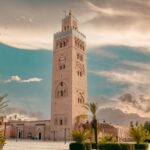
Begin your Marrakech adventure at the iconic Jemaa el-Fnaa square, the city’s pulsating heart. This bustling square transforms throughout the day: morning brings fresh orange juice stands and snake charmers, afternoons see henna artists and water sellers, and evenings come alive with food stalls and musicians. Visit the Koutoubia Mosque, Marrakech’s most famous landmark, with its impressive 70-meter minaret visible from much of the city. Although non-Muslims cannot enter the mosque, its exterior and surrounding gardens are worth exploring.
For dinner, try one of the food stalls in Jemaa el-Fnaa—brave visitors might sample sheep’s head or snail soup, while others can enjoy more familiar tagines and kebabs. Finish your evening with Moroccan mint tea at one of the rooftop cafes overlooking the illuminated square.
Day 2: The Mellah and Bahia Palace
Start in the Jewish Quarter (Mellah), once home to Marrakech’s Jewish community. Visit the atmospheric spice souk and the beautifully ornate Lazama Synagogue. Continue to the 19th-century Bahia Palace, an architectural masterpiece with stunning courtyards, intricate cedar wood carvings, and zellij tile work. Walk through the nearby El Badi Palace ruins, which offer insights into the Saadian dynasty’s opulence and provide panoramic views from the terrace.
In the afternoon, explore the Secret Garden (Jardin Secret), a recently restored 16th-century garden with both Islamic and exotic botanical sections. End your day at a traditional hammam for an authentic Moroccan spa experience.
Day 3: Souks and Craftsmanship
Today is dedicated to exploring the famous souks of Marrakech. Start early to avoid crowds and begin with the Rahba Kedima square, known for its herb and spice vendors. Work your way through different sections: the slipper makers’ lane, metalworkers, leather workers, and weavers. Don’t miss the Chouara tanneries area for a glimpse into traditional leather processing (prepare for strong odors).
Visit the Ben Youssef Madrasa, a former Koranic school with exquisite architecture. In the afternoon, head to the Ensemble Artisanal, where you can see craftspeople at work and purchase quality handmade items without haggling. End your day with a cooking class to learn the secrets of Moroccan cuisine.
Day 4: Gardens and the Modern Side of Marrakech
Escape the city heat by visiting the verdant Jardin Majorelle, designed by French painter Jacques Majorelle and later owned by fashion designer Yves Saint Laurent. The electric blue villa and cactus garden offer a peaceful retreat. Nearby, the Berber Museum provides fascinating insights into indigenous Moroccan culture.
In the afternoon, explore the modern side of Marrakech in Gueliz. Visit the contemporary art galleries, including the Matisse Art Gallery and the David Bloch Gallery. Stroll down Avenue Mohammed V for shopping at higher-end boutiques. For dinner, try one of Gueliz’s trendy restaurants for a modern take on Moroccan cuisine.
Day 5: Day Trip to the Atlas Mountains
Take a day trip to the nearby Imlil village in the High Atlas Mountains. This area offers spectacular hiking opportunities with breathtaking views of Mount Toubkal, North Africa’s highest peak. Visit traditional Berber villages, enjoy a home-cooked lunch in a local family’s home, and perhaps hike to a nearby waterfall. Alternatively, if hiking isn’t your preference, you might visit the Ourika Valley, known for its carpets and argan cooperatives.
Day 6: Art, Culture, and Museums
Begin at the Musée de Marrakech, housed in the Mnebhi Palace, featuring exhibitions on Islamic art and culture. Continue to the Museum of African Contemporary Art Al Maaden (MACAAL), showcasing works by contemporary African artists. Visit the La Mamounia hotel gardens, even if you’re not staying there—this historic hotel has hosted countless celebrities and royalty.
In the afternoon, take a guided tour of the Tiskiwin Museum, which displays Moroccan arts and crafts from various regions in a house arranged like a caravan. Spend your evening at Chez Ali for a dinner and folklore show (tacky but fun for first-timers).
Day 7: Shopping Secrets and Final Impressions
Use your final day to explore some of Marrakech’s lesser-known attractions. Visit the Cyber Park for a quiet morning walk among palm trees and fountains with surprisingly good Wi-Fi. Explore the Sidi Abdelaziz shrine area in the Mouassine district, known for its beautiful fountain and woodwork. Shop for souvenirs with newfound knowledge—know that most prices are negotiable and start at about 50% higher than the expected final price.
Take a final stroll through the medina’s back alleys to absorb the everyday life of locals. Perhaps visit a local bakery where communal ovens are used, or watch artisans working in their tiny workshops. End your trip with a sunset from one of the terraces near Jemaa el-Fnaa, reflecting on the enchanting week spent in this magical city.
Practical Tips for Visitors
Respect local customs: Marrakech is a Muslim city, so dress modestly—shoulders and knees covered is appropriate. Women will feel more comfortable this way, especially when visiting religious sites. Learn a few Arabic phrases: ‘Shukran’ (thank you), ‘La’ (no), and ‘Besef’ (sorry) can go a long way in showing respect.
Bargaining is expected in the souks but not in supermarkets or established shops. Start at about 50% of the asking price and negotiate with a smile. Stay hydrated by always carrying bottled water, as Marrakech’s climate can be deceptively drying. Be cautious with street food initially until your stomach adjusts to local bacteria.
Watch out for scams: be firm with unofficial guides who approach you in the medina, and be aware that many ‘attractions’ on the way to legitimate sites (like the tanneries) expect tips. Use only licensed guides arranged through your hotel or reputable agencies.
Cultural Experiences Not to Miss
Attend a traditional Moroccan wedding show at Chez Ali or in some riads for a theatrical experience of authentic celebrations. Visit during Ramadan if possible, even though it means altered schedules—the nighttime atmosphere after the fast-breaking (iftar) is magical. Go to Café des Épices in the spice square for mint tea and people-watching from a prime location.
Consider a visit to the Palmeraie area where you can take a camel ride through the palm groves. Some travelers find this a bit touristy, but watching the sunset over the desert landscape can be memorable. For a truly unique experience, visit the underground reservoirs (citerns) near the Badi Palace to understand historical water management systems.
FAQ
Is Marrakech safe for tourists?
Yes, Marrakech is generally safe for tourists, but exercise normal precautions. The medina can be disorienting, so be aware of your surroundings, particularly at night. Petty crime like pickpocketing can occur in crowded areas, so keep valuables secure. Be firm with unwanted attention and unofficial guides. The tourist police are helpful if you encounter problems.
How many days should I spend in Marrakech?
For a comprehensive experience covering both major attractions and hidden gems, 4-5 days is ideal. However, a week allows you to explore more deeply, take day trips, and experience various aspects of Moroccan life without feeling rushed. If you have less time, 3 days can cover the highlights, though you may feel hurried.
Do I need a guide to explore the medina?
While not strictly necessary, a guide can be incredibly helpful on your first visit. The medina’s labyrinthine streets can be confusing, and a knowledgeable guide can help you navigate, explain historical context, and introduce you to authentic experiences you might miss on your own. For subsequent days, you’ll likely feel more comfortable exploring independently.
What currency should I bring, and are credit cards accepted?
The local currency is the Moroccan dirham (MAD). It’s best to bring cash in euros or exchange currency at exchange offices, which offer better rates than hotels. Credit cards are accepted in many riads, restaurants, and shops in Gueliz, but cash is essential for the souks and small establishments. ATMs are widely available, but inform your bank of your travel plans beforehand.
What should I wear in Marrakech?
Dress modestly and comfortably, especially in the medina and religious sites. For women, this means covering shoulders and knees—loose, flowy clothing works well and is culturally appropriate while keeping you cool. For men, shorts are generally acceptable in tourist areas but not in conservative local neighborhoods. Take a light jacket for cooler evenings, particularly in winter months.
Conclusion
Marrakech offers an intoxicating blend of ancient traditions and modern energy that makes it a truly unforgettable destination. This 7-day itinerary provides a balanced exploration of the city’s famous landmarks and hidden corners, allowing you to immerse yourself in the rich culture, stunning architecture, and warm hospitality that define Morocco’s Red City. Whether you’re wandering through the maze-like souks, sipping mint tea in a tranquil riad, or watching the sunset over the Atlas Mountains, Marrakech will captivate you with its timeless charm and vibrant spirit.
As you plan your journey, remember that the true essence of Marrakech lies not just in its monuments but in its everyday moments—the call to prayer echoing through narrow streets, the aroma of spices in the air, the friendly exchanges with locals. Embrace the organized chaos, go with an open mind and heart, and let this remarkable city reveal its secrets to you, one hidden gem at a time.
Explore more about Morocco’s Imperial Cities, Discover traditional Moroccan hammams, Learn about Moroccan cuisine and recipes