
Introduction: Welcome to Marrakech
Marrakech, often called the “Red City” for its distinctive clay buildings, is Morocco’s most enchanting destination. Founded nearly a thousand years ago, this vibrant city blends ancient traditions with modern life in a way that captivates every visitor. From the bustling Djemaa el-Fna square to the serene Majorelle Garden, Marrakech offers an intoxicating mix of sights, sounds, and experiences that make it the perfect introduction to Moroccan culture.
Day 1: Historical Treasures of Marrakech
Morning: Exploring the Medina
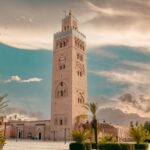
Begin your Marrakech adventure in the heart of the ancient medina, a UNESCO World Heritage site. Start at the Koutoubia Mosque, the city’s most famous landmark, with its stunning 77-meter minaret visible from almost anywhere in Marrakech. While non-Muslims cannot enter the mosque, the surrounding gardens provide a peaceful spot for observation and photography.
Next, visit the Bahia Palace, built in the late 19th century. This masterpiece of Moroccan architecture features exquisitely decorated rooms surrounding inner courtyards with fountains, gardens, and intricate tile work. Spend at least an hour exploring the various sections and admiring the craftsmanship.
Afternoon: Traditional Experiences a Cultural Immersion
For lunch, head to a traditional riad (a traditional Moroccan house with an interior garden) to enjoy your first authentic Moroccan meal. Try the iconic tagine or couscous, accompanied by mint tea. Many riads offer cooking classes if you want to learn the secrets of Moroccan cuisine.
After lunch, explore the Saadian Tombs, dating back to the 16th century. These beautifully restored tombs feature colorful tiles, carved cedar wood, and elaborate stucco work. Then wander through the nearby souks (markets), where you can shop for spices, leather goods, pottery, and traditional crafts. Don’t forget to practice your bargaining skills!
Evening: Djemaa el-Fna Magic
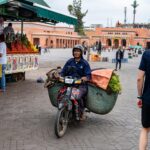
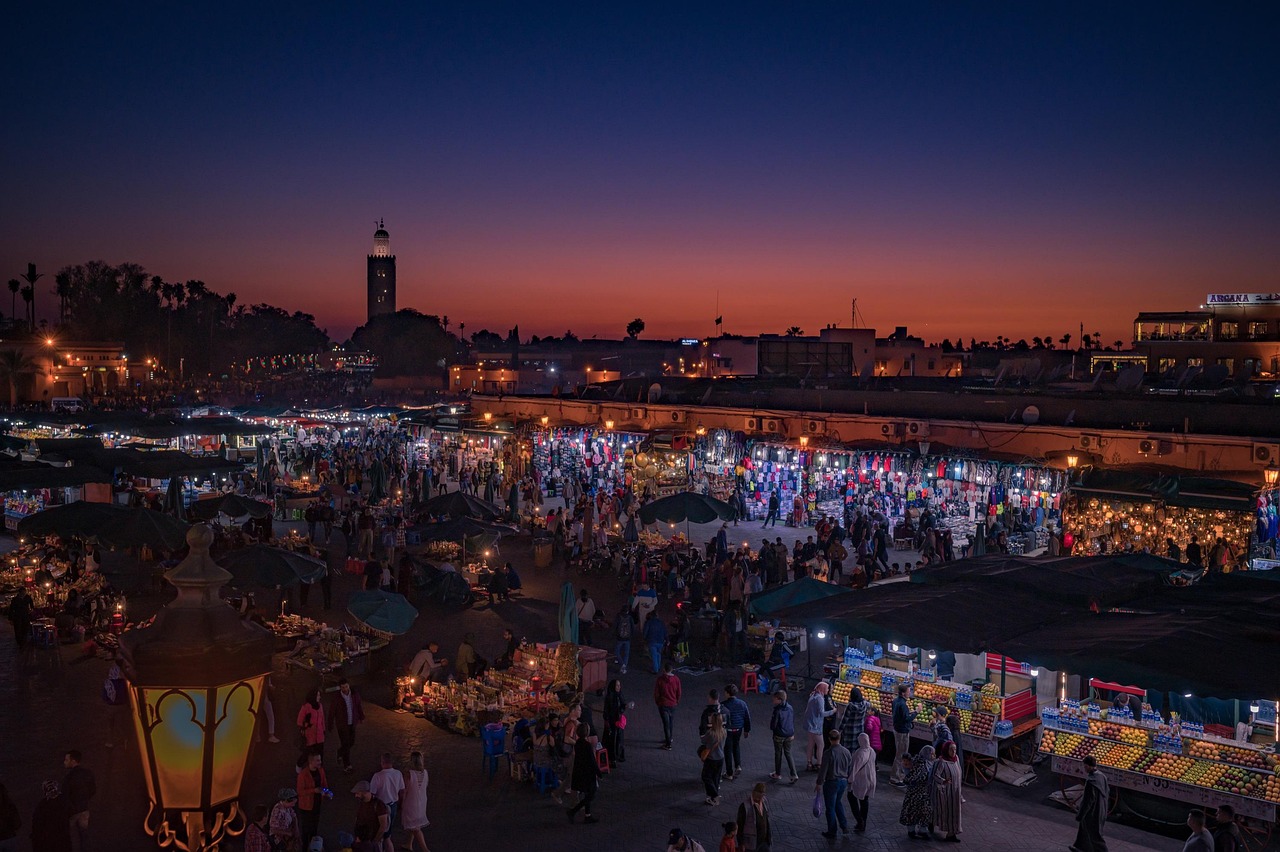
As the sun sets, make your way to Djemaa el-Fna, the main square that truly comes alive at night. Watch as food stalls appear, musicians perform, and storytellers gather crowds. For dinner, try one of the outdoor food stalls or rooftop restaurants overlooking the square for a memorable culinary experience. Try local specialties like harira soup, grilled meats, or pastilla.
Day 2: Gardens and Modern Art
Morning: Botanical Beauty
Start your second day at the Majorelle Garden, created by French painter Jacques Majorelle and later owned by fashion designer Yves Saint Laurent. These botanical gardens feature exotic plants from around the world, fountains, and the iconic blue villa. The intense blue color (known as Majorelle blue) creates a stunning contrast with the greenery.
Also visit the Berber Museum within the garden complex to learn about Morocco’s indigenous culture. The collection includes jewelry, textiles, and historical artifacts that provide insight into Berber traditions.
Afternoon: Museums and Shopping
After the gardens, explore the nearby Yves Saint Laurent Museum, which showcases the designer’s work and his connection to Marrakech. If fashion isn’t your interest, the Museum of Marrakech, housed in a 19th-century palace, offers exhibits on Moroccan history and culture.
Spend your afternoon shopping in the s (workshops where artisans craft their wares). The district is organized by craft—you’ll find leatherworkers, metalworkers, woodworkers, and textile artisans all in their designated areas. This is a great place to find unique souvenirs directly from the makers.
Evening: Cooking Class and Dinner
Many riads and cooking schools offer evening cooking classes where you can learn to prepare traditional Moroccan dishes. This is typically followed by dinner where you enjoy the meal you’ve prepared. It’s a hands-on way to learn about Moroccan culture and bring some culinary skills home with you.
Day 3: Day Trip to the Atlas Mountains
Morning: Journey to the Mountains
Take a day trip to the nearby Atlas Mountains, just 30 miles from Marrakech. Join a guided tour or hire a private driver to visit traditional Berber villages. The Ourika Valley is popular for its waterfalls and opportunities for short hikes through scenic landscapes.
Afternoon: Cultural Exchange
Visit a local Berber family for a traditional lunch of bread baked in a clay oven, tajine, and mint tea. This authentic experience provides insight into mountain life and Berber hospitality. Some tours include a visit to women’s argan oil cooperatives, where you can learn about this valuable oil’s production.
Evening: Return to Marrakech
Return to Marrakech in the late afternoon. Spend your evening relaxing with a traditional hammam experience—a steam bath followed by an exfoliating scrub and massage. Two highly recommended places are Les Bains de Marrakech and Hammam Dar el-Bacha. Reservations are necessary for these spa experiences.
Day 4: Desert Adventure or Coastal Escape
Option 1: Essaouira Day Trip
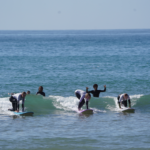
Essaouira, a charming coastal town about 2.5 hours from Marrakech, offers a refreshing contrast to the city. This fortified port town features Portuguese architecture, a busy fishing harbor, and beautiful beaches. Walk along the ramparts, visit the Skala fortress, and explore the medina. Enjoy fresh seafood at one of the harbor-side restaurants—the grilled sardines are particularly good. The town also has a vibrant arts scene and is famous for its annual Gnaoua World Music Festival.
Option 2: Agafay Desert Experience
For those wanting a desert experience without traveling far, the Agafay Desert on Marrakech’s outskirts offers desert-like landscapes with rocky hills rather than sand dunes. Many camps in Agafay offer activities like camel rides, quad biking, and traditional Berber dinners with stargazing. It’s a good option if you’re short on time but still want that desert atmosphere.
Evening: Farewell Dinner
Return to Marrakech for your final dinner. Try Dar Yacout for traditional Moroccan cuisine in a luxurious setting, or Nomad for a more contemporary take on Moroccan flavors with a trendy rooftop terrace. End your evening with a last stroll through Djemaa el-Fna, enjoying the lively atmosphere.
Day 5: Art, Shopping, and Departure
Morning: Last-Minute Exploration
For your final morning, revisit any spots you found particularly interesting or explore new areas. The Secret Garden (Le Jardin Secret) in the medina features restored 17th-century gardens and a restored Islamic pavilion. The rooftop café offers views over the medina.
Afternoon: Culinary Farewell
Before departing, enjoy a relaxed Moroccan lunch at a favorite spot. Lecoanet et Hemam offers elegant French-influenced Moroccan cuisine, while Cafe Clock serves innovative fusion dishes and hosts cultural events.
If time permits before your flight, do some last-minute shopping or visit a photography museum to capture more memories of your trip.
Practical Tips for Marrakech
Best Time to Visit
Spring (March to May) and fall (September to November) offer the most pleasant weather in Marrakech, with temperatures ranging from 65-85°F (18-29°C). Summer can be extremely hot, while winter nights can be quite cold.
Currency and Payments
The Moroccan dirham (MAD) is the local currency. While credit cards are accepted in many hotels, restaurants, and larger shops, cash is essential for markets, small shops, and tips. ATMs are widely available, but inform your bank you’ll be traveling to avoid any issues with your card.
Dress Code
Marrakech is a Muslim city, so modest dress is appreciated, especially when visiting religious sites. Women should consider carrying a scarf for mosques, and both men and women should avoid overly revealing clothing. Light, loose-fitting clothes work well in the warm climate, and comfortable walking shoes are essential for the city’s uneven streets.
Safety and Health
Marrakech is generally safe for tourists, but be aware of common scams like unofficial guides or overcharging. Only drink bottled water, and be cautious with street food if you have a sensitive stomach. Many travelers experience mild stomach issues, so consider bringing medications just in case.
Transportation
Within the medina, walking is best as the narrow streets are often not vehicle-accessible. For longer distances, petit taxis (small, red cars) are inexpensive and reliable, but agree on the fare beforehand or ensure the meter runs. Apps like Careem also operate in Marrakech.
Bargaining
Bargaining is expected in markets (souk), and it’s part of the shopping experience. Start at about half the asking price and negotiate respectfully. If you’re not willing to buy, don’t engage in bargaining to avoid awkward situations.
Insider Recommendations
Where to Stay
For a truly Moroccan experience, stay in a riad—a traditional house with an interior garden courtyard. Highly recommended riads include Riad Kniza for luxury, El Zohar for mid-range comfort, and Riad le Sirocco for a more budget-friendly option. Most riads include breakfast and offer personalized service that makes you feel at home.
Must-Try Food Experiences
Beyond the common tagine and couscous, try kefta tagine (meatballs in tomato sauce with eggs), mechoui (slow-roasted lamb), and msemmen (Moroccan pancakes). Visit the food stalls in Djemaa el-Fna for an authentic street food experience, but choose stalls with high turnover and many customers for the freshest options.
Local Activities
Consider joining a guided walking tour to learn about Marrakech’s history and navigate the medina’s maze-like streets. Hot air balloon rides at sunrise offer a unique perspective of the Atlas Mountains and surrounding desert. Traditional music performances can be enjoyed at venues like Dar Tazi or during evening shows at some hotels.
FAQ
What should I wear in Marrakech?
Morocco is a Muslim country, and Marrakech is moderately conservative. Wear loose, lightweight clothing that covers shoulders and knees. Women should avoid low-cut tops and short skirts; men should avoid shorts in public. A scarf is useful for women to cover shoulders when entering mosques or during more conservative situations. Comfortable walking shoes are essential due to uneven streets.
How much should I budget for a 5-day trip to Marrakech?
A comfortable budget for 5 days in Marrakech ranges from $80-120 per person per day, depending on your accommodation choices and dining preferences. This includes mid-range hotels/riads, most meals, entrance fees to major attractions, and local transportation. Luxury travelers might spend $200+ per day, while budget travelers can manage on $50-70 daily with careful planning.
Is Marrakech safe for solo female travelers?
Yes, Marrakech is generally safe for solo female travelers, though you may experience occasional unwanted attention or catcalling in the medina. Dressing modestly and confidently, walking purposefully, and avoiding deserted areas at night will help. Many solo female travelers have positive experiences in Marrakech, especially when staying in women-friendly riads and joining organized tours for day trips.
Do I need to tip in Marrakech?
Yes, tipping is customary and expected in Marrakech. In restaurants, tip 10% if service wasn’t included. For hotel staff, bellhops typically expect 10-20 dirhams per bag, housekeepers 20-30 per day, and housekeeping or concierge staff 10-40 dirhams depending on service. Tour guides typically expect 50-100 dirhams per day per person. For small services like bathroom attendants, 2-5 dirhams is appropriate.
What are the must-buy souvenirs from Marrakech?
Marrakech offers excellent shopping opportunities. Popular souvenirs include argan oil (ensure it’s pure), leather goods (especially babouche slippers), handmade ceramics, Berber carpets, spices from the market (the souks), and traditional lanterns. For quality handcrafted items, visit the Ensemble Artisanal government cooperative or request recommendations for reputable shops. Always bargain in markets, starting at half the initial asking price.
Conclusion
Marrakech is a city that will capture your heart with its vibrant colors, intoxicating aromas, and warm hospitality. This 5-day itinerary offers a perfect introduction to Morocco’s most famous city, balancing iconic sights with authentic experiences and allowing time for both structured activities and spontaneous discovery. Whether you’re bargaining in the souks, sipping mint tea in a riad courtyard, or watching the sunset over the Atlas Mountains, Marrakech will provide memories that last a lifetime. Start planning your magical Moroccan adventure today!
Hassan and Mariam Travel is your trusted partner for unforgettable experiences in Marrakech and throughout Morocco. We offer personalized itineraries, expert local guides, and insider access to Morocco’s most beautiful sites. Contact us to begin planning your Moroccan journey.
Nearby related articles you might enjoy:
Explore the surrounding regions of Morocco with these detailed guides: “Day Trips from Marrakech: Exploring the Atlas Mountains and Beyond,” “The Best Riads in Marrakech: Where to Stay in Morocco’s Red City,” “Moroccan Cuisine 101: A Food Lover’s Guide to Marrakech,” “Cultural Etiquette in Morocco: What Every First-Time Visitor Should Know,” and “Photography Hot Spots in Marrakech: Capturing the Magic of Morocco.”