
Introduction: Welcome to Chefchaouen’s Blue Wonderland
Imagine wandering through narrow streets bathed in shades of blue—from turquoise to periwinkle to deep indigo. Welcome to Chefchaouen, Morocco’s enchanting “Blue Pearl” nestled in the foothills of the Rif Mountains. Founded in 1471 as a fortress town, this picturesque destination has become a must-visit for travelers seeking Morocco’s most Instagram-worthy destination.
The Mystery Behind the Blue Walls
While the exact origins remain debated, several theories explain Chefchaouen’s distinctive blue hue. Some locals claim the color represents the sky and heaven, serving as a reminder to lead spiritual lives. Others attribute the tradition to Jewish refugees who settled here in the 1930s, bringing with them the custom of painting buildings blue. The blue paint also serves practical purposes—it’s believed to repel mosquitoes and keep buildings cool in summer.
Top Attractions and Things to Do in Chefchaouen
Explore the Medina’s Blue Streets
The heart of Chefchaouen lies within its medina, where every corner reveals a new shade of blue. Get lost in the labyrinth of narrow streets, discovering charming doorways, artisan shops, and hidden courtyards. The blue-washed buildings create an almost dreamlike atmosphere, especially in the morning light or during golden hour.
Visit the Kasbah Museum
Located in the main square, the Kasbah Museum occupies the 15th-century fortress that once protected the city. For a small entrance fee, you’ll find exhibits on Chefchaouen’s history, traditional crafts, and the region’s natural heritage. The museum’s central garden offers a peaceful retreat from the bustling medina.
Hike to the Spanish Mosque
For breathtaking panoramic views of Chefchaouen and the surrounding valley, hike up to the Spanish Mosque just outside town. Built in the 1920s, this 30-minute uphill walk is particularly rewarding at sunset when the blue city glows beneath the Rif Mountains.
Shop for Local Handicrafts
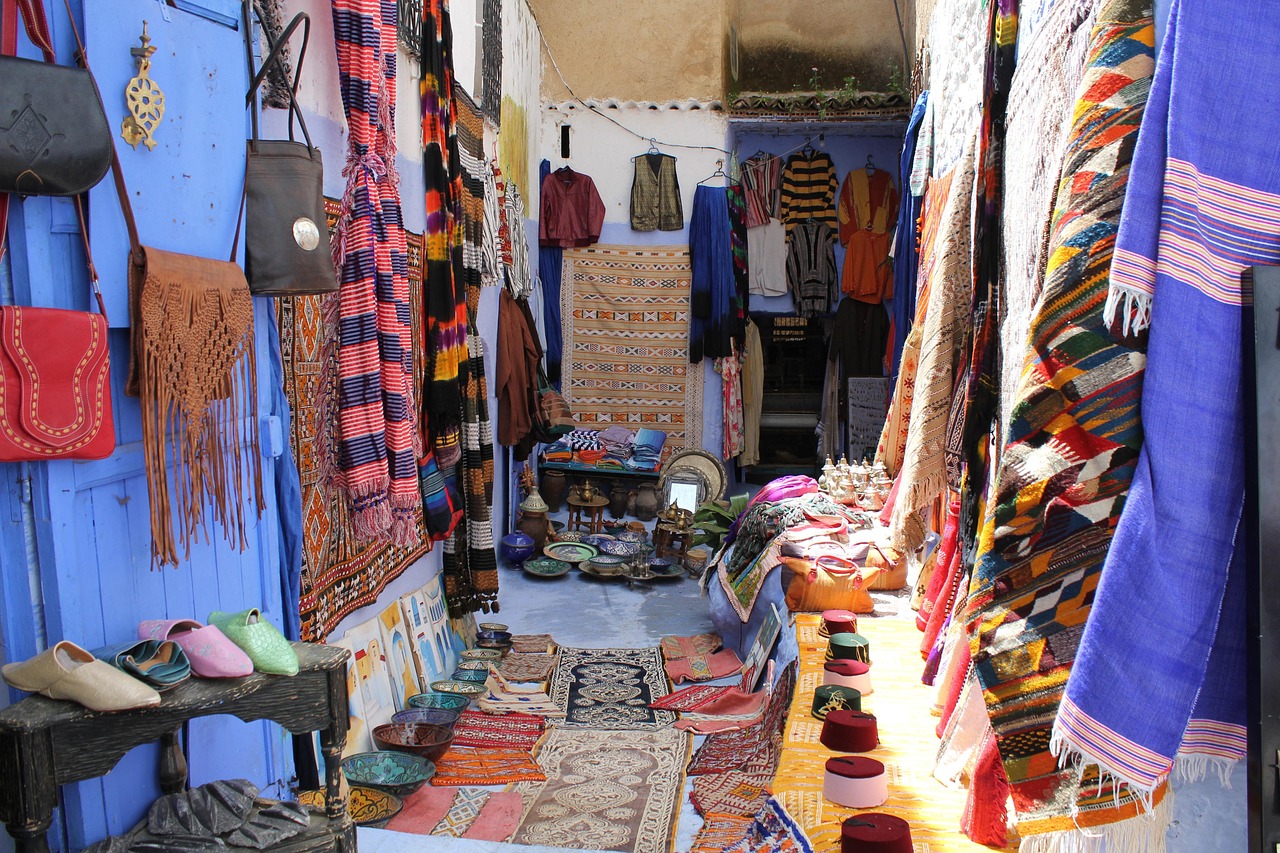
Chefchaouen is renowned for its high-quality artisan goods. Woolen clothing, Berber carpets, natural cosmetics, and handwoven baskets are popular souvenirs. The medina’s souks offer excellent shopping opportunities, and since Chefchaouen sees fewer tourists than Marrakech or Fes, you can often find better deals through friendly bargaining.
Discover Ras el-Ma Waterfall
This refreshing spring just outside the medina’s eastern gate provides a perfect half-day excursion. Locals collect water here and wash laundry in the small pools. Follow the path up the valley to the large water mill at the top for stunning valley views.
Best Time to Visit Chefchaouen
Spring (March to May) and autumn (September to November) offer the most pleasant weather for exploring Chefchaouen. Summer temperatures can soar, but the city’s elevation provides some relief. Winter brings cooler temperatures and occasional rain, creating a different but equally atmospheric blue city experience.
Where to Stay in Chefchaouen
Chefchaouen offers accommodations ranging from budget hostels to boutique riads. For an authentic experience, consider staying in a traditional riad—a Moroccan house with an interior courtyard. Many feature rooftop terraces perfect for enjoying morning coffee or evening views of the blue medina.
Culinary Delights of Chefchaouen
The local cuisine reflects Chefchaouen’s mountain valley location. Try “jus de citron” (freshly squeezed lemon juice) and visit a local bakery to sample olive oil bread. Many restaurants offer tagine (slow-cooked stew) and couscous, often made with fresh produce from the surrounding valleys.
Practical Tips for Visiting Chefchaouen
How to Get There
Chefchaouen doesn’t have a train station. The most common ways to arrive are by taxi from Tangier (about 2.5 hours), car rental, or organized tour. Many travelers combine Chefchaouen with stops in Tangier, Fes, or the blue-and-white town of Chefchaouen’s sister city, Tetouan.
Safety Considerations
Chefchaouen is generally considered very safe, even for solo travelers. However, be mindful of your belongings in crowded areas and don’t walk alone late at night. The surrounding Rif Mountains region has had drug-related issues, but the valley where Chefchaouen sits remains quite safe for tourism.
Photography Tips
Morning light (before 9 AM) or late afternoon offer the best natural lighting for capturing Chefchaouen’s blue walls. The streets can be crowded with other visitors during midday. Look for contrast with colorful doors, windows, and people wearing traditional Moroccan attire.
Beyond Chefchaouen: Day Trips and Nearby Attractions
The Akchour waterfalls, only 45 minutes away by taxi, offer excellent hiking opportunities. The “Bridge of God” rock formation spans a river where you can find crystal-clear swimming holes during summer months. Another popular excursion leads to the Talasemant National Park for trekking through cedar forests where Barbary apes roam.
Why Chefchaouen Should Be on Your Morocco Itinerary
While cities like Marrakech, Fes, and Casablanca rightfully draw many visitors to Morocco, Chefchaouen offers a distinctly different experience. The relaxed mountain atmosphere, the mesmerizing blue streets, and the authentic Berber culture make it a perfect counterpoint to Morocco’s imperial cities. Whether you’re seeking Instagram-worthy photos, cultural immersion, or simply a peaceful retreat from the world, Chefchaouen delivers an unforgettable Moroccan adventure.
FAQ
How many days should I spend in Chefchaouen?
Most travelers spend 2-3 nights in Chefchaouen, which allows ample time to explore the medina, hike to the Spanish Mosque, and enjoy the relaxed mountain atmosphere without feeling rushed.
Is Chefchaouen suitable for families with children?
Yes, Chefchaouen is family-friendly. Children enjoy exploring the colorful blue streets, and the relaxed pace makes it easy for families. Some riads offer family rooms with kitchenettes.
Do I need a guide to explore Chefchaouen?
No, Chefchaouen’s medina is compact and easy to navigate on your own. However, local guides are available if you want historical context and insights about the best photo spots.
Is English widely spoken in Chefchaouen?
While French and Spanish are more commonly spoken than English, many shop owners, restaurant staff, and young people speak basic English. Hotel staff can usually assist with translations.
What should I wear when visiting Chefchaouen?
Morocco is a conservative Muslim country, so modest dress is appreciated. While the blue charm of Chefchaouen allows more flexibility than other Moroccan cities, covering shoulders and knees shows respect for local customs.
Conclusion: Planning Your Blue City Escape
Chefchaouen offers a magical Moroccan experience that stands apart from the country’s better-known destinations. Its blue-painted streets, friendly atmosphere, and stunning mountain setting create the perfect blend of relaxation and cultural discovery. Whether you’re a photographer seeking the perfect shot, a culture enthusiast wanting to explore Morocco’s lesser-known gems, or simply someone looking to step into a real-life fairy tale, Chefchaouen awaits with open arms and painted walls.
Learn more about planning your complete Morocco itinerary or discover budget-friendly travel tips for Morocco. For more breathtaking destinations, check out our guide to Morocco’s most beautiful cities.
Ready to experience the blue magic of Morocco? Chefchaouen offers an enchanting escape that will color your memories long after you’ve left its painted streets behind.