
Introduction to Your Moroccan Adventure
Morocco offers an incredible blend of vibrant culture, stunning landscapes, and rich history that makes it a perfect destination for a 10-day journey. This carefully crafted itinerary balances iconic highlights with authentic experiences, taking you from the bustling medinas of ancient cities to the serene beauty of the Sahara Desert and the refreshing coastal breezes of the Atlantic. Whether you’re a first-time visitor or returning to explore more deeply, this route showcases Morocco’s diversity and magic.
Day 1-2: Marrakech – The Red City
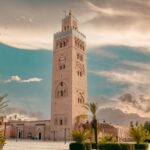
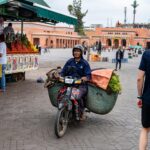
Begin your Moroccan adventure in Marrakech, the cultural heart of the country. Spend your first day exploring the UNESCO-listed Jemaa el-Fnaa square, where snake charmers, storytellers, and food vendors create a mesmerizing atmosphere. Visit the Koutoubia Mosque, the Bahia Palace with its stunning courtyards, and the vibrant souks where you can shop for traditional crafts and spices. On day two, venture to the Majorelle Garden, a peaceful oasis of cobalt blue buildings and exotic plants, and the nearby Yves Saint Laurent Museum. Experience a traditional hammam spa treatment and enjoy dinner at a rooftop restaurant overlooking the medina.
Day 3-4: Atlas Mountains and Aït Ben Haddou
Depart Marrakech and journey through the dramatic High Atlas Mountains. Stop at the scenic Tizi n’Tichka pass for breathtaking views before visiting the fortified village of Aït Ben Haddou, a UNESCO World Heritage site that has served as a backdrop for countless films. Continue to Ouarzazate, known as the gateway to the Sahara, where you can visit movie studios and the Taourirt Kasbah. Overnight at a traditional riad. On day four, explore the palm groves of Skoura and visit the Valley of Roses before arriving in Boumalne Dades, where you’ll witness stunning rock formations in the Dades Gorge.
Day 5-6: Sahara Desert Adventure
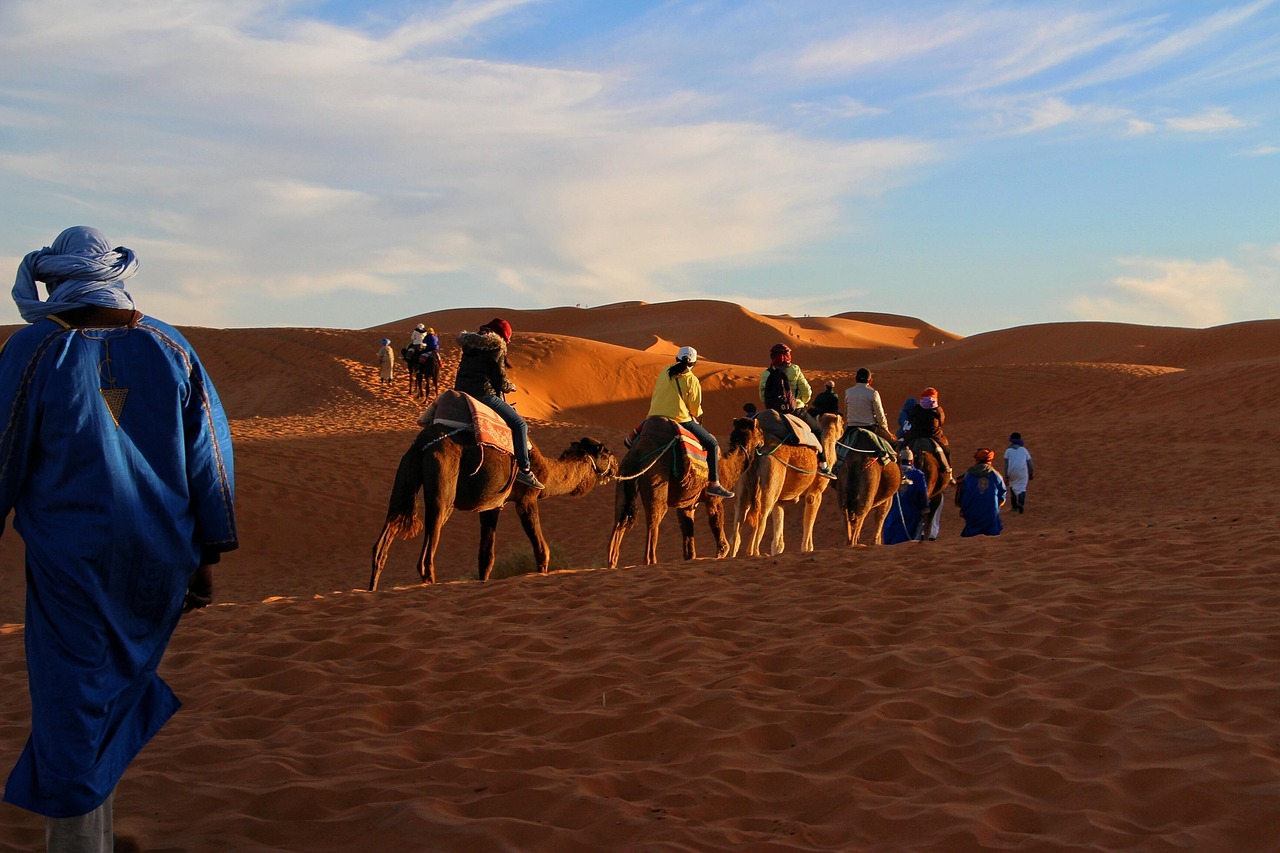
Journey deeper into the desert through the dramatic Todra Gorge, known for its towering canyon walls. Continue to Merzouga, the gateway to the Erg Chebbi dunes. In the afternoon, embark on a camel trek into the Sahara, watching the sunset paint the dunes in gold and orange. Spend the night in a traditional desert camp, enjoying a Berber dinner under the stars, drumming around the campfire, and experiencing the magic of complete desert silence. On day six, wake early for a spectacular sunrise over the dunes, then travel to Rissani to visit the bustling traditional market, one of the largest in southern Morocco. Continue to Erfoud, known for its fossils, before heading to Midelt.
Day 7: Fes via Ifrane and the Middle Atlas
Travel north through the Middle Atlas Mountains, stopping at Ifrane, often called “Little Switzerland” for its alpine architecture and cedar forests. Visit the nearby Azrou to see Barbary macaques in their natural habitat. Continue through vast cedar forests and past nomadic settlements before arriving in Fes, Morocco’s oldest imperial city, in the evening. Stroll through the ancient medina and enjoy dinner at a traditional restaurant.
Day 8-9: Exploring Fes and Meknes
Spend a full day discovering Fes with a local guide, exploring the labyrinthine medina, the world’s largest car-free urban area. Visit the famous leather tanneries, the Bou Inania Madrasa, and the Karaouine University, one of the oldest in the world. On day nine, take a day trip to Meknes and Volubilis. Explore Meknes’s imperial architecture, including the massive Bab Mansour gate, then visit the nearby Roman ruins of Volubilis, a UNESCO World Heritage site with remarkably preserved mosaics and structures.
Day 10: Casablanca and Rabat
On your final day, depart Fes for Casablanca, Morocco’s largest city. Visit the magnificent Hassan II Mosque, one of the few mosques in Morocco open to non-Muslims, and stroll along the Corniche. Continue to Rabat, the capital, for a city tour including the Royal Palace, the Hassan Tower, and the picturesque Kasbah of the Udayas. Enjoy a final Moroccan dinner before heading to Casablanca airport for your departure, or extend your stay in this modern coastal city.
Practical Tips for Your Morocco Journey
Transportation between cities is best handled through a combination of private drivers and trains. The train system connects major cities like Marrakech, Fes, and Casablanca efficiently. When in the medinas, comfortable walking shoes are essential as streets are often narrow and uneven. Dress modestly to respect local customs, covering shoulders and knees, especially when visiting mosques and religious sites. Spring (March-May) and fall (September-November) offer the most pleasant weather for this itinerary. Learn a few basic Arabic or French phrases, and carry cash for small purchases. Most importantly, embrace the slower pace of Moroccan life and be prepared for unexpected delays and wonderful detours.
Accommodation Recommendations
Choose traditional riads in the old medinas for an authentic experience, with beautiful courtyards and rooftop terraces. In the desert, authentic Berber camps offer unique overnight experiences. For comfort in larger cities, consider international hotels or upgraded riads. Book accommodations well in advance during peak seasons (March-April and September-October).
Cultural Experiences and Local Cuisine
Enhance your journey with cooking classes in Fes or Marrakech, where you’ll learn to prepare traditional dishes like tagine and couscous. Try a tanjia in Marrakech, a slow-cooked meat dish, and sample fresh seafood in coastal cities. Participate in a tea ceremony, as mint tea is central to Moroccan hospitality. Visit local cooperatives to see traditional crafts like carpet weaving, leather working, and argan oil production.
FAQ
How much does a 10-day Morocco itinerary cost?
A mid-range 10-day itinerary typically costs between $1,500-$2,500 per person, including accommodations, transportation, and guided tours. Luxury experiences can cost $3,000+ while budget travel can be accomplished for $800-1,200. Costs vary based on accommodation choices, travel style, and whether you book guided tours or travel independently.
Is Morocco safe for tourists?
Yes, Morocco is generally very safe for tourists. Standard precautions like avoiding isolated areas at night, safeguarding valuables, and being aware of your surroundings apply. The biggest concern is often petty theft, so use common sense in crowded areas. Moroccans are famously hospitable and eager to help visitors.
What should I pack for Morocco?
Pack lightweight, modest clothing that covers shoulders and knees. Bring comfortable walking shoes, a hat, sunglasses, and sunscreen. A light jacket is useful for cool mornings and evenings, especially in the mountains and desert. Don’t forget a scarf or shawl, which is useful for religious sites and can help with sun protection. Bring adapters for European-style outlets and any personal medications.
Do I need a visa for Morocco?
Most travelers from North America, Europe, and many other countries don’t need a visa for stays under 90 days. You’ll need a passport valid for at least six months beyond your arrival date. Check current visa requirements with your local Moroccan embassy or consulate before traveling.
What currency should I use in Morocco?
The Moroccan Dirham (MAD) is the official currency. ATMs are widely available in cities, but smaller towns and the desert may require cash. Credit cards are accepted in larger hotels and restaurants, but many smaller establishments only take cash. It’s illegal to import or export Moroccan currency, so exchange money upon arrival or use ATMs.
Best Time to Visit Morocco
The ideal times for this itinerary are spring (March-May) and fall (September-November). During these seasons, temperatures are moderate across the country, ranging from the 60s-70s°F in most areas. Summer (June-August) can be extremely hot, especially in the desert and Marrakech, while winter (December-February) can be cold in the mountains and northern cities, with occasional snow in the Atlas Mountains. The shoulder seasons offer comfortable temperatures for sightseeing and outdoor activities.
Transportation Options
For this itinerary, the best transportation combination includes: trains for Marrakech to Fes (ONCF offers comfortable, reliable service), private drivers for mountain and desert routes, and domestic flights if you wish to save time between distant cities. Shared taxis (grands taxis) are also available for shorter routes and offer an authentic experience. Car rentals are possible but can be challenging due to driving conditions and navigation difficulties, especially in older cities.
Language and Communication
French is widely spoken, especially in tourist areas and business contexts. Arabic is the official language, and Berber languages are spoken in rural areas. English is increasingly common in tourist-oriented businesses. Downloading translation apps and learning basic phrases in French or Arabic will enhance your experience. Most Moroccans appreciate any effort to speak their language, even simple greetings.
Health and Safety Considerations
No vaccinations are required for entry to Morocco, but routine vaccines should be up to date. Drink bottled water rather than tap water to avoid stomach issues. Food hygiene standards are generally good, especially in established restaurants. Travel insurance is recommended. Be cautious of overly persistent unofficial guides at tourist sites and negotiate prices for services before accepting.
Conclusion: Your Moroccan Journey Awaits
This 10-day Morocco itinerary offers the perfect introduction to this fascinating country, balancing imperial cities, desert adventures, and cultural experiences. From the magical chaos of Marrakech’s medinas to the serene beauty of Sahara sunsets and the historical treasures of Fes, you’ll experience the incredible diversity that makes Morocco so special. Remember that the best journeys often include unexpected moments and spontaneous detours – sometimes the most memorable experiences come from getting slightly lost in a medina, accepting an invitation to mint tea from a local, or watching the world go by from a street-side café. Morocco rewards those who travel with an open heart and a sense of adventure. Book your journey and prepare to be enchanted by this gateway to Africa.
Looking for more Morocco travel inspiration? Check out our guides to “Best Places to Stay in Marrakech” and “Top Morocco Desert Camps: Luxury vs Traditional Experience”. For coastal lovers, don’t miss our article on “Morocco’s Best Atlantic Coast Beaches and Towns”.