
Introduction to Marrakech: The Red City Awaits
Marrakech, known as the Red City for its distinctive clay-colored buildings, is a mesmerizing destination where ancient traditions blend seamlessly with modern luxury. This former imperial capital of Morocco offers an intoxicating mix of vibrant souks, stunning palaces, fragrant gardens, and warm hospitality. With centuries of history as a trading and cultural center, Marrakech captures the imagination of every traveler who walks through its gates.
Planning seven days in Marrakech gives you the perfect balance to explore both the famous landmarks and discover hidden corners of this fascinating city. This itinerary will help you navigate the bustling Djemaa el-Fna square, marvel at architectural masterpieces, savor authentic Moroccan cuisine, and experience the true essence of Moroccan culture.
Day 1: Medinas and Mapping Your Adventure
Morning: Djemaa el-Fna Square
Begin your Marrakech adventure at Djemaa el-Fna, the city’s beating heart and UNESCO World Heritage site. This enormous square transforms throughout the day, making it worth returning multiple times. In the morning, watch water sellers in traditional red robes, orange juice vendors, and locals going about their daily business. Grab a fresh squeezed orange juice and take in the atmosphere.
Lunch: Local Specialties
For lunch, try a traditional Moroccan tagine at a café overlooking the square. The view provides excellent people-watching opportunities as the square begins to fill with tourists and locals alike.
Afternoon: Medina Orientation
Take an introductory walking tour of the Medina’s narrow alleyways. While you’ll get lost occasionally (everyone does), this first exploration helps you understand the layout. Visit the Mouassine Museum to learn about Moroccan architecture and design. End your afternoon at a rooftop café watching the sunset paint the city’s pink walls golden.
Day 2: Historic Monuments and Gardens
Koutoubia Mosque & Gardens
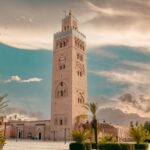
Start at the iconic Koutoubia Mosque, Marrakech’s most famous landmark. Though non-Muslims cannot enter, the surrounding gardens are perfect for morning walks, and the 77-meter minaret dominates the skyline. Built in the 12th century, it’s a masterpiece of Almohad architecture.
Bahia Palace
Explore Bahia Palace, meaning “brilliance,” built in the late 19th century. This stunning palace showcases the best of Moroccan architecture with intricate zellij tilework, carved stucco, and painted cedar ceilings. Allow at least an hour to wander the courtyards and rooms.
Saadian Tombs
Discover the Saadian Tombs, hidden for centuries until their rediscovery in 1917. These burial grounds for Saadian dynasty members feature lavish decorations and peaceful gardens.
Afternoon: Cyber Park and Menara Gardens
Finish your day at the peaceful Menara Gardens, featuring a large olive grove and man-made lake. These gardens provide a welcome respite from the Medina’s hustle and bustle.
Day 3: Cultural Immersion
Musee de Marrakech
After breakfast, visit the Marrakech Museum in the Dar Menebhi Palace. The building itself is worth seeing, and the collection provides excellent context for understanding local culture and history.
Ben Youssef Madrasa
This 14th-century Islamic college is one of Marrakech’s most beautiful buildings. The intricate tilework, carved plaster, and serene courtyard demonstrate Islamic architecture at its finest.
Traditional Hammam Experience
In the afternoon, experience a traditional hammam (public bath). Choose between luxury spas or authentic local hammams. This cultural ritual is both relaxing and culturally enlightening.
Evening: Cooking Class
End your day with a Moroccan cooking class where you’ll learn to make classic dishes like tagine or couscous. These usually include market visits to select ingredients, making for a complete cultural experience.
Day 4: Souks and Shopping
Guided Souk Tour
The souks (markets) can be overwhelming without guidance. Book a morning guided tour to learn about traditional crafts, understand pricing, and discover workshops producing leather, ceramics, textiles, and metalwork.
Babouche Souk
Explore the Babouche Souk, dedicated to leather slippers in every color imaginable. Here you’ll find traditional Moroccan babouches at better prices than shops in the Medina.
Afternoon Shopping
With your newfound knowledge, return to the souks for shopping. Look for authentic Moroccan lamps, rugs, pottery, and textiles. Remember to bargain politely – it’s expected and part of the culture.
Evening: Traditional Dinner
Dine at a traditional restaurant in the Medina. Try pastilla (sweet-savory pie), harira soup, or mechoui (slow-roasted lamb).
Day 5: Beyond the Medina
Agdal Gardens
Visit the Agdal Gardens, another imperial garden complex and UNESCO site. These vast orchards were created in the 12th century and offer beautiful walking paths.
Palmeraie
Explore Palmeraie, a palm grove covering thousands of acres. Take a calèche (horse-drawn carriage) ride through the palms, or for the adventurous, try a camel ride.
Anima Garden
Visit this contemporary garden created by artist André Heller. It combines art installations with exotic plants in a stunning mountainside setting.
Yoga or Meditation
Many riads offer sunset yoga classes with views over the Medina – the perfect way to relax after several busy days of sightseeing.
Day 6: Day Trips and Relaxation
High Atlas Mountains
Take a day trip to the Atlas Mountains, just 30 minutes from Marrakech. Visit traditional Berber villages, enjoy mountain scenery, and perhaps trek to waterfalls.
Essaouira
Alternatively, take a full-day trip to Essaouira, a charming coastal town 2.5 hours away. Known for its fortified medina, fresh seafood, and artistic community, it offers a different perspective on Moroccan life.
Evening Return
Return for your final evening in Marrakech. Celebrate your last night with dinner at a fine Moroccan restaurant, perhaps with belly dancing entertainment.
Day 7: Hidden Gems and Farewell
Le Jardin Secret
Discover Le Jardin Secret, recently restored gardens and pavilions in the heart of the Medina. The traditional Islamic garden design and raised walkways offer excellent views.
Dar Si Said Museum
Visit this lesser-known museum housing Moroccan crafts, textiles, and jewelry. Located in a beautiful 19th-century palace, it’s often less crowded than larger museums.
Mellah
Explore Marrakech’s Jewish quarter, the Mellah. This historic district offers a different perspective on the city’s multi-ethnic history.
Final Shopping and Farewell Dinner
Use your last afternoon for any final shopping or revisiting favorite spots. End your Morocco adventure with a farewell dinner at a special restaurant, perhaps with rooftop views of the illuminated Koutoubia Mosque.
Essential Moroccan Food Experiences
Your 7 days in Marrakech wouldn’t be complete without indulging in Moroccan cuisine. Beyond tasting traditional dishes, seek out food experiences that tell the story of the country:
- Tagine at a local family’s home through a meal-sharing platform
- Moroccan breakfast with fresh bread, olive oil, and amlou (almond butter)
- Mint tea ceremony, learning the ritual and symbolism
- Street food tour at night when Djemaa el-Fna transforms
- Halal-friendly sweets and pastries from traditional bakeries
Practical Tips for Your 7 Days in Marrakech
Getting around: Walking is ideal for the Medina, but taxis are essential for reaching further areas. Agree on prices before starting journeys.
Heat management: Visit outdoor attractions in morning or late afternoon. Stay hydrated with bottled water readily available.
Modest dress: While Marrakech is tourist-friendly, modest dress shows cultural respect. Cover shoulders and knees when visiting religious sites.
Dia de la Cultura: If visiting during cultural festivals, book events and restaurants well in advance.
Language: While French is widely spoken, learn a few Arabic phrases. Moroccans appreciate the effort, however basic.
Where to Stay for Your 7-Day Visit
Choose between the intimate experience of a riad (traditional guesthouse) in the Medina or the convenience of a hotel in the modern Gueliz district. Riads offer personalized service and authentic atmosphere, often with beautiful courtyards and rooftop terraces. Hotels provide more familiar amenities and sometimes better air-conditioning during summer months.
Best Time for Your 7-Day Marrakech Itinerary
Spring (March-May) and fall (September-November) offer the most pleasant temperatures for exploring. Summer can exceed 100°F, making outdoor activities challenging, while winter nights can be surprisingly cold. Consider timing your visit with festivals like the National Festival of Folklore or the Marrakech International Film Festival for additional cultural experiences.
FAQ
How many days should I spend in Marrakech?
7 days allows you to see major attractions without rushing while also discovering hidden gems. However, 5 days covers essentials if you’re on a tighter schedule, and 3 days is enough for a quick introduction to the city.
What is the best way to get from Marrakech airport to the city center?
Airport taxis are available and reliable, costing around 70-100 MAD to the Medina. Alternatively, many hotels offer airport transfers for slightly higher prices but with more convenience and no language barriers.
Do I need a visa to visit Morocco?
Most Western passport holders can enter Morocco visa-free for up to 90 days. Check current requirements with your local Moroccan embassy before traveling, as policies can change.
Is Marrakech safe for tourists?
Yes, Marrakech is generally very safe for tourists. Exercise normal city precautions like watching your belongings, avoiding poorly lit areas at night, and being cautious with street food for sensitive stomachs.
What currency is used in Morocco, and can I use credit cards?
The Moroccan dirham (MAD) is the local currency. While credit cards are accepted in hotels, high-end restaurants, and larger shops, cash is essential for souk shopping and smaller establishments. ATMs are widely available in the new town.
Conclusion
Spending seven days in Marrakech offers the perfect introduction to Morocco’s Red City. This carefully planned itinerary balances famous attractions like the Majorelle Garden and Bahia Palace with authentic experiences in the souks and hidden corners of the Medina. By the end of your week, you’ll have experienced the architectural wonders, culinary delights, and warm hospitality that make Marrakech unforgettable.
Remember that Morocco moves at a different pace – embrace the slower tempo, get happily lost in the Medina’s maze, and allow yourself to be captivated by the sensory overload of colors, sounds, and aromas. These seven days will likely be just the beginning of your love affair with Morocco, as many travelers find themselves planning return trips before they’ve even left.
For more Morocco travel inspiration, explore our detailed guides to Fes, Casablanca, and the Sahara Desert tours. Ready to start planning your 7-day Marrakech adventure? Check out our recommended hotels and authentic riads to find your perfect home base in Morocco’s Red City.
Looking for more Moroccan adventures? Discover our Best Morocco Desert Tours from Marrakech, In-Depth Guide to Moroccan Cuisine, and Complete Morocco Travel Planning Checklist on our website for additional travel inspiration and practical advice.