


If you’ve ever dreamed of wandering through ancient souks, sipping mint tea in a palace courtyard, or watching the sun set over terracotta rooftops, then tourism in Marrakech should be at the top of your travel list. This enchanting Moroccan city offers an intoxicating blend of history, culture, and sensory experiences that few destinations can match.
Whether you’re drawn by the call to prayer echoing from the Koutoubia Mosque, the vibrant chaos of Jemaa el-Fna square, or the promise of adventure in the nearby Atlas Mountains, Marrakech welcomes you with open arms and endless possibilities.
Table of Contents
Why Tourism in Marrakech Attracts Travelers From Around the World
Marrakech isn’t just another tourist destination it’s a living, breathing experience that captures the essence of Morocco itself. As one of the country’s four imperial cities, Marrakech serves as a gateway to understanding Moroccan culture, history, and the unique lifestyle that has captivated travelers for centuries.
What makes visiting Marrakech so special is its remarkable ability to honor tradition while embracing modernity. You’ll find centuries-old medersas (Islamic schools) standing proudly alongside contemporary art galleries. Artisans still practice ancestral crafts in the same workshops their great-grandparents used, yet you can also enjoy world-class dining and luxury accommodations that rival any European capital.
Tourism in Marrakech plays a vital role in Morocco’s economy and cultural preservation. The city has become a crossroads where travelers from every corner of the globe come to experience authentic North African hospitality, making it one of Africa’s most visited destinations. This international appeal has helped preserve traditional crafts, architectural treasures, and cultural practices that might otherwise have faded with time.
Top Marrakech Tourist Attractions You Should Not Miss
Your Marrakech travel experience should include these essential landmarks:
Jemaa el-Fna Square is the beating heart of the city and a UNESCO World Heritage site. By day, it hosts orange juice vendors and snake charmers. As evening falls, the square transforms into an open-air theater filled with storytellers, musicians, and food stalls serving sizzling tagines. This is where you’ll feel the true pulse of Marrakech.
The Medina of Marrakech surrounds Jemaa el-Fna like a labyrinth of possibilities. Getting lost in these narrow alleyways is part of the adventure. Behind every carved door lies a potential discovery—a hidden courtyard, a master craftsman’s workshop, or a family-run restaurant serving grandmother’s recipes.
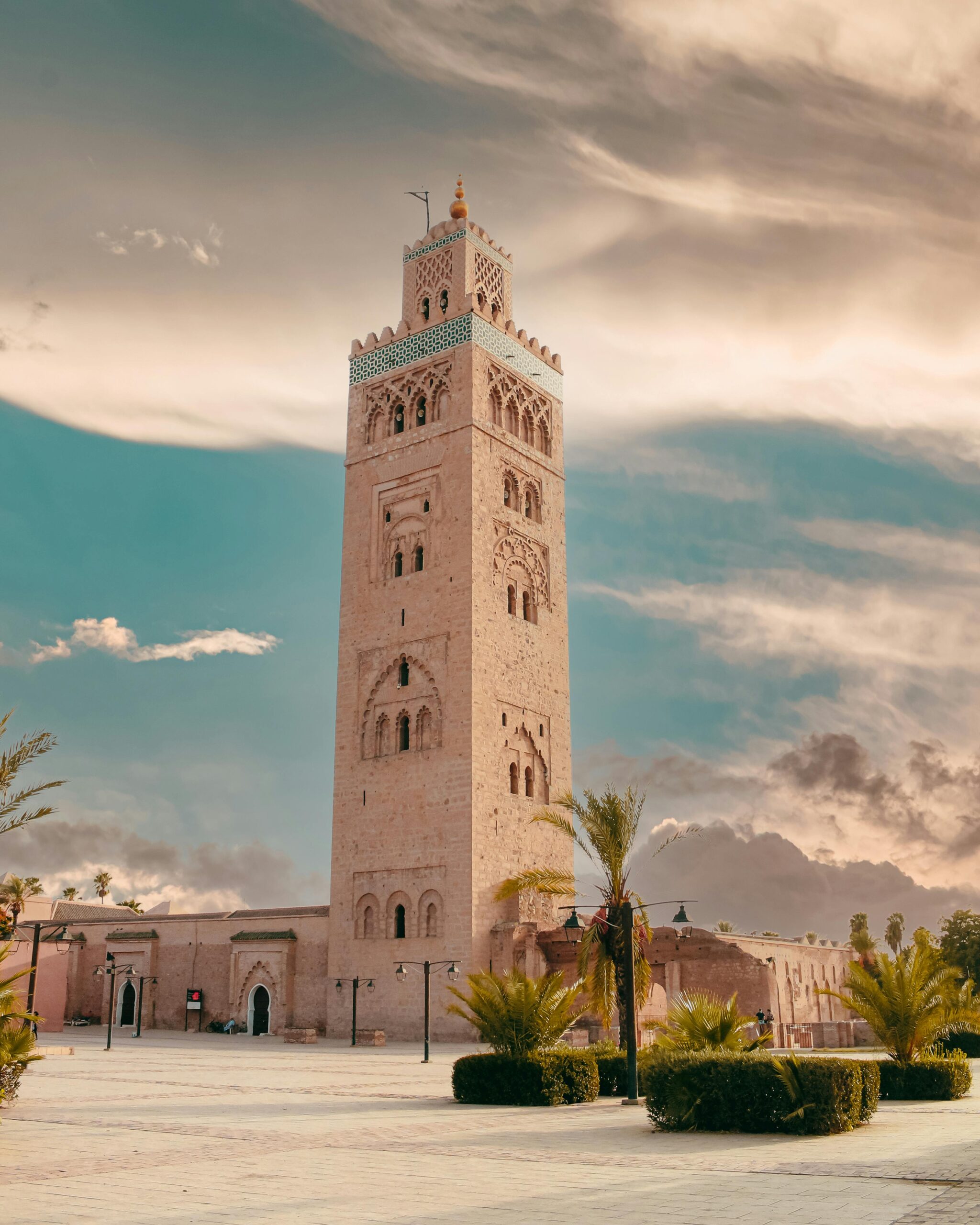
Koutoubia Mosque dominates the Marrakech skyline with its 77-meter minaret. While non-Muslims cannot enter, the exterior architecture and surrounding gardens are magnificent, especially when illuminated at night.
Bahia Palace showcases the opulence of 19th-century Moroccan aristocracy. Wander through its painted ceilings, intricate tile work, and peaceful courtyards to understand why Marrakech was once called the “Pearl of the South.”
Majorelle Garden offers a tranquil escape from the medina’s intensity. Created by French painter Jacques Majorelle and later restored by fashion designer Yves Saint Laurent, these botanical gardens feature striking cobalt blue buildings set among exotic plants from five continents.
Saadian Tombs remained hidden for centuries until their rediscovery in 1917. The elaborate decoration of these 16th-century mausoleums demonstrates the wealth and artistic achievement of the Saadian dynasty.

Best Things to Do in Marrakech for First-Time Visitors
Beyond the major Marrakech tourist attractions, your visit should include these quintessential experiences:
Exploring the souks is non-negotiable. These traditional markets are organized by trade—leather workers in one area, spice merchants in another, metalworkers in a third. Bargaining is expected and part of the cultural exchange. Take your time, enjoy the interaction, and don’t be afraid to walk away if the price doesn’t feel right.
Staying in traditional riads gives you an authentic taste of Marrakech hospitality. These converted family homes built around central courtyards offer intimate accommodations that hotels simply cannot match. Many feature rooftop terraces where you can enjoy breakfast with views over the medina.
Experiencing a Moroccan hammam is both a cultural tradition and a rejuvenating spa treatment. Public hammams offer an authentic local experience, while private spa hammams provide luxury versions of the same centuries-old cleansing ritual.
Tasting authentic Moroccan cuisine means going beyond tourist restaurants. Seek out family-run establishments serving tagines, couscous, pastilla, and harira soup. Don’t miss trying fresh-squeezed orange juice in Jemaa el-Fna or late-night snail soup from street vendors.
Enjoying rooftop cafés and sunset views is a daily ritual in Marrakech. As the day’s heat fades and the evening call to prayer sounds across the city, find a terrace overlooking the medina and watch the sky turn from gold to pink to purple.
Cultural Experiences That Define Tourism in Marrakech
What truly sets Marrakech apart is its vibrant, living culture:
Moroccan hospitality is legendary. You’ll likely be invited for tea multiple times during your visit. Accept these invitations when you can they offer genuine connections beyond typical tourist interactions.
Traditional crafts and artisans still thrive throughout the medina. Watch leather tanners work in centuries-old tanneries, observe weavers creating carpets on traditional looms, or see metalworkers hammering intricate lanterns. Many artisans welcome visitors and enjoy explaining their craft.
Local food culture and cooking experiences provide delicious insights into Moroccan life. Consider taking a cooking class where you’ll shop in local markets before preparing traditional dishes in a riad kitchen.
Festivals and cultural events occur throughout the year. The Marrakech Popular Arts Festival and International Film Festival attract visitors worldwide, while religious celebrations like Eid offer glimpses into Morocco’s spiritual traditions.
Day Trips and Excursions From Marrakech
The city’s strategic location makes it an excellent base for regional exploration:
The Atlas Mountains and Berber villages lie just an hour from the city. Day trips to villages like Imlil or Asni offer mountain scenery, traditional Berber hospitality, and refreshing cooler temperatures. Many tours include lunch in a Berber home.
Ourika Valley provides accessible mountain beauty with waterfalls, riverside restaurants, and hiking opportunities. It’s particularly popular during summer when city dwellers escape the heat.
Agafay Desert delivers a desert experience without the long drive to the Sahara. This rocky desert landscape offers camel rides, quad biking, and luxury desert camps for overnight stays under the stars.
Essaouira coastal escape is perfect for a full-day excursion. This laid-back Atlantic port town features a charming medina, fresh seafood, and a completely different atmosphere from inland Marrakech.
Best Time to Visit Marrakech
Timing can significantly impact your Marrakech travel experience:
Spring (March-May) and autumn (September-November) offer ideal weather—warm days, cool evenings, and minimal rain. These are peak tourist seasons, so expect crowds at major attractions and higher accommodation prices.
Summer (June-August) brings intense heat, often exceeding 40°C (104°F). However, you’ll find fewer tourists, better hotel deals, and the opportunity to escape to the nearby mountains. If you can handle the heat, summer has advantages.
Winter (December-February) features pleasant daytime temperatures but can be surprisingly chilly at night. Pack layers, as many riads lack central heating. Winter is excellent for Atlas Mountains excursions and experiencing local life with fewer tourists around.
Practical Travel Tips for Visiting Marrakech
Make your visit smoother with these essential tips:
Getting around the city within the medina means walking—it’s the only option in most areas. For longer distances, petit taxis (small beige taxis) are affordable but insist on using the meter. For day trips, hire a private driver or join organized tours.
Safety and local customs require awareness but not worry. Marrakech is generally safe for tourists. Respect local culture by dressing modestly, especially in religious areas. Women should cover shoulders and knees; men should avoid shorts in traditional neighborhoods.
What to wear depends on the season, but modest, comfortable clothing works year-round. Loose, breathable fabrics are ideal for summer heat. Bring a scarf—useful for women entering mosques, protecting against sun, or adding warmth in cool evenings.
Currency and payments involve Moroccan dirhams (MAD). ATMs are widely available, but carry cash for souks, taxis, and small establishments. Many riads and restaurants accept cards, but always have backup cash.
Language tips help immensely. While many tourism workers speak English or French, learning basic Arabic phrases like “shukran” (thank you) and “salam alaikum” (peace be upon you) shows respect and often earns warm smiles.

Sustainable and Responsible Tourism in Marrakech
Travel thoughtfully to help preserve what makes Marrakech special:
Supporting local businesses means choosing family-run riads over international chains, eating at neighborhood restaurants, and buying directly from artisans rather than tourist shops. Your money goes further in supporting real communities.
Respecting culture and traditions involves understanding that you’re a guest in a conservative Muslim society. Ask permission before photographing people, avoid public displays of affection, and dress appropriately.
Eco-friendly travel practices include refusing plastic bags in souks (bring a reusable bag), choosing walking tours over motorized transport when possible, and being mindful of water usage—Morocco faces water scarcity challenges.
Why Marrakech Should Be on Your Morocco Travel Itinerary
Tourism in Marrakech offers something that few destinations can deliver: a complete sensory journey through time, culture, and tradition. From the moment you step into the medina’s maze-like streets, you’ll understand why this city has enchanted travelers for centuries.
Whether you spend three days or three weeks, Marrakech reveals new layers with each visit. The things to do in Marrakech extend far beyond checking off landmarks—this is about connecting with a culture, supporting living traditions, and creating memories that will call you back long after you’ve returned home.
Marrakech is just the beginning of what Morocco has to offer. From the blue streets of Chefchaouen to the ancient Roman ruins of Volubilis, from the Sahara’s golden dunes to the Atlantic coast’s crashing waves, this diverse country rewards curious travelers at every turn.
Ready to start planning your Moroccan adventure? Visit VisitAllMorocco.com for comprehensive guides, travel tips, and inspiration to explore everything this magnificent country has to offer. Your journey to the Red City awaits.


[…] Tourism in Marrakech: Complete Guide to Morocco’s Red City […]