
Table of Contents
Marrakech, known as the “Red City” for its distinctive clay buildings, is a mesmerizing destination where history, culture, and modern luxury intertwine. This imperial city has captivated travelers for centuries with its exotic charm, bustling marketplaces, and architectural wonders that tell stories of Moroccan heritage.
Situated at the foothills of the Atlas Mountains, Marrakech offers an intoxicating mix of sensory experiences. From the fragrant spices in the air to the mesmerizing call to prayer echoing through narrow alleyways, every moment in this city feels like stepping into a living postcard. Whether you’re a history enthusiast, food lover, or adventure seeker, Marrakech promises an unforgettable journey through the heart of Morocco.

The Historical Heart: Exploring Jemaa el-Fnaa Square
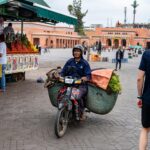
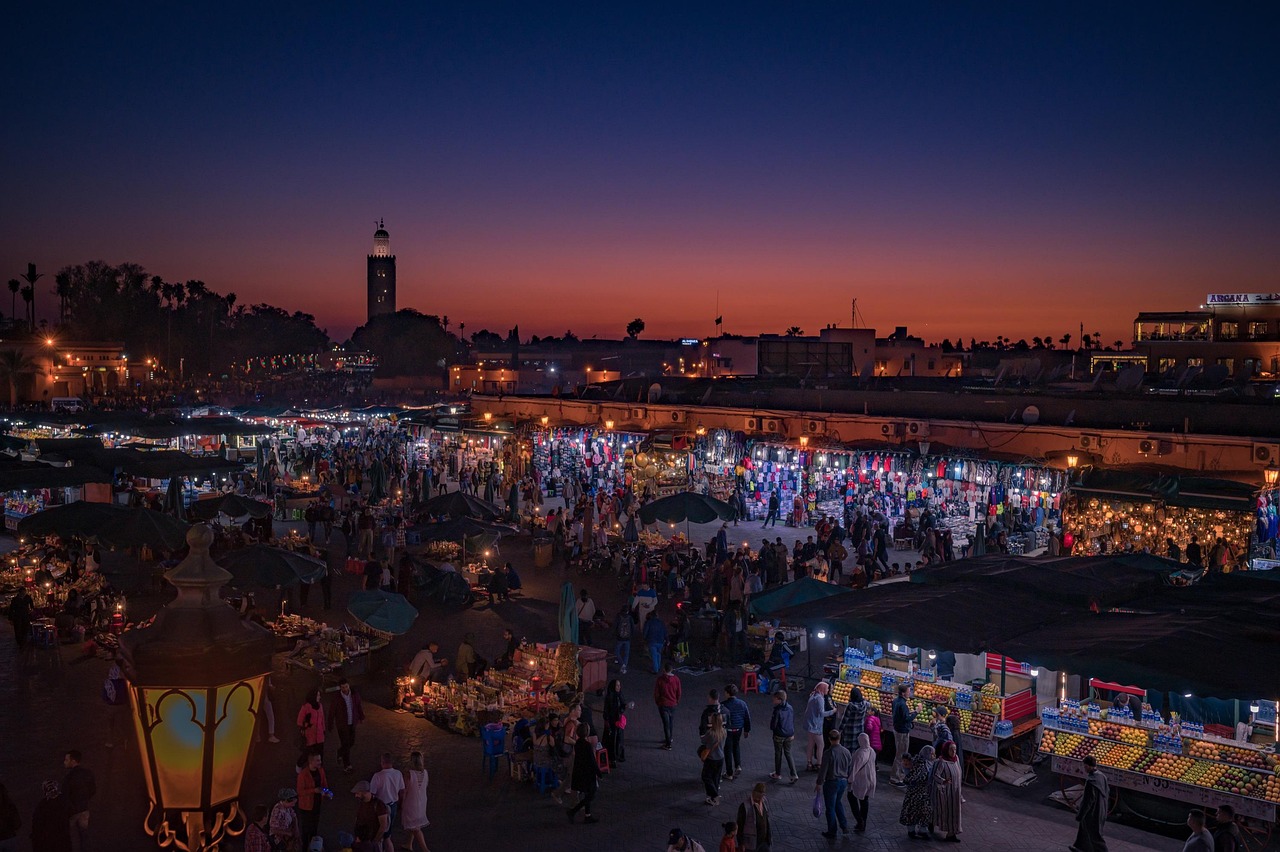
The beating heart of Marrakech is Jemaa el-Fnaa, a UNESCO World Heritage site and one of the most famous public squares in the world. By day, this vibrant square is filled with orange juice vendors, henna tattoo artists, and snake charmers entertaining curious tourists. However, as the sun sets, the square transforms into a lively open-air theater.
Nighttime brings an explosion of activity with dozens of food stalls offering traditional Moroccan cuisine like tagine, couscous, and harira soup. Storytellers, musicians, and dancers create an electric atmosphere that embodies the soul of Morocco. Navigating this maze of activity requires both excitement and caution, as the energy can be overwhelming for first-time visitors.
Tips for Visiting Jemaa el-Fnaa
- Visit at sunset for the most magical experience
- Be prepared to haggle with vendors
- Try the fresh orange juice, but agree on prices beforehand
- Keep valuables secure in crowded areas
- Learn basic French phrases, as many locals speak it
Architectural Wonders: Palaces and Gardens
Marrakech boasts some of Morocco’s most stunning architectural masterpieces, each telling a story of the city’s rich history.
The Majestic Bahia Palace
Constructed in the late 19th century, Bahia Palace is a masterpiece of Moroccan architecture. The name “Bahia” means brilliance, and the palace certainly lives up to its name with its intricate tile work, carved cedar ceilings, and beautiful gardens. Each room tells a different story through its decoration, showcasing the incredible craftsmanship of Moroccan artisans.
The Peaceful Jardin Majorelle
One of Marrakech’s most photographed locations, the Majorelle Garden is a botanical oasis painted in distinctive cobalt blue, known as “Majorelle Blue.” Created by French painter Jacques Majorelle in the 1920s and later owned by fashion designer Yves Saint Laurent, this garden features exotic plants from around the world, tiled pools, and charming fountains. The on-site Berber Museum offers fascinating insights into indigenous Moroccan culture.
The Labyrinth of the Souks
Marrakech’s souks are a maze of narrow alleyways filled with everything from handmade leather goods to intricate metalwork and exotic spices. These traditional markets are organized by trade, making it possible to find specific items in designated areas.
What to Buy in Marrakech’s Souks
- Handwoven rugs and textiles
- Traditional Moroccan lamps and lanterns
- Argan oil and natural cosmetics
- Hand-painted ceramics and pottery
- Leather goods including babouche slippers
Souvenir Shopping Tips
Bargaining is an art form in Marrakech’s souks. Start by offering about 30-40% of the initial asking price and negotiate from there. Always inspect items carefully for quality, and don’t be afraid to walk away if the price doesn’t meet your expectations. Many shopkeepers speak multiple languages, including English and French, making communication easier for international visitors.
Moroccan Cuisine: A Culinary Journey
Marrakech is a paradise for food lovers, offering a rich culinary tradition that blends Berber, Arabic, and French influences. The city’s food scene ranges from street food to high-end restaurants, each offering unique flavors and experiences.
Must-Try Moroccan Dishes
- Tagine – slow-cooked stew with meat, vegetables, and aromatic spices
- Couscous – traditional Friday dish often served with vegetables and meat
- Mint tea – the national drink, ceremonially prepared and incredibly sweet
- Pastilla – a savory-sweet pie traditionally made with pigeon or chicken
- B’stilla – a pastry filled with spiced meat and almonds
Street Food Gems
For an authentic local experience, explore the food stalls in and around Jemaa el-Fnaa. Try local specialties like kefta (grilled meatballs), maakouda (potato fritters), and fresh seafood brought in from coastal cities. Street vendors are generally safe to eat from, but follow the crowds to the most popular stalls.
Day Trips and Excursions from Marrakech
While Marrakech offers endless exploration opportunities, the surrounding areas are also worth discovering.
Atlas Mountains Hiking
Just a short drive from Marrakech, the Atlas Mountains offer breathtaking hiking opportunities. Villages like Imlil serve as gateways for treks of varying difficulty, from casual day hikes to challenging multi-day expeditions. The views are spectacular, and visiting traditional Berber villages provides insight into rural Moroccan life.
Essaouira Day Trip
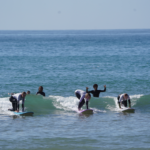
The coastal city of Essaouira, about a 2.5-hour drive from Marrakech, offers a refreshing escape from the city heat. Known for its fortified medina, fresh seafood, and windy beaches popular with windsurfers, Essaouira provides a relaxed contrast to Marrakech’s intensity.
Practical Travel Tips for Marrakech
When to Visit
The best times to visit Marrakech are spring (March to May) and fall (September to November) when temperatures are moderate. Summer can be extremely hot, with temperatures often exceeding 100°F (38°C), while winter evenings can be quite cool.
Getting Around
- The medina is best explored on foot
- Taxis are affordable for longer distances
- Horse-drawn carriages (calèches) offer a romantic way to see the city
- Always agree on taxi fares before starting your journey
Cultural Etiquette
While Marrakech is tourist-friendly, it’s important to respect local customs:
- Dress modestly, especially when visiting religious sites
- Ask permission before photographing people
- Never openly display affection in public
- Understand that Ramadan affects business hours and dining options
Where to Stay
Marrakech offers various accommodation options:
- Traditional riads (guesthouses in restored homes)
- Luxury hotels and resorts
- Hostels for budget travelers
- Villas for families or groups
Staying in a riad provides an authentic experience with personalized service, while luxury hotels offer modern amenities and world-class facilities.
Safety and Health Considerations
Marrakech is generally safe for tourists, but like any major city, it requires awareness and caution:
- Be aware of pickpockets in crowded areas
- Only drink bottled water
- Be cautious when crossing streets, as traffic rules are loosely followed
- Purchase travel insurance before your trip
- Keep digital and physical copies of important documents
Modern Marrakech: Beyond the Traditional
While Marrakech’s historic heart is captivating, the city also embraces modernity. The Gueliz district showcases contemporary art galleries, trendy cafes, and upscale boutiques. The Yves Saint Laurent Museum and the nearby Berber Museum celebrate Morocco’s influence on international fashion and culture.
Marrakech also hosts several annual events that attract international visitors, including the Marrakech International Film Festival and the Marrakech Biennale for contemporary art. These events showcase the city’s evolution into a cosmopolitan hub while maintaining its traditional charm.
Disconnect to Reconnect: Digital Nomad Opportunities
Marrakech has become increasingly popular among digital nomads, offering a unique blend of cultural immersion and modern connectivity. The city provides excellent Wi-Fi in many cafes and coworking spaces, affordable living costs, and inspiring surroundings that foster creativity.
Many travelers have discovered that Marrakech offers an ideal work-life balance, with mornings exploring ancient medinas and afternoons working from rooftop cafes overlooking the Atlas Mountains. The city’s growing expat community provides support for long-term stays.
Conclusion: Marrakech’s Everlasting Magic
Marrakech is more than just a destination; it’s an experience that touches all your senses. From the intoxicating scents of spices in the souks to the visual feast of intricate tile work and the warmth of Moroccan hospitality, the city creates memories that last a lifetime.
Whether you’re wandering through centuries-old palaces, bargaining for treasures in the souks, or simply enjoying a mint tea while watching the world go by, Marrakech offers something magical for every traveler. The city’s ability to preserve its heritage while embracing the modern world makes it one of Morocco’s most enchanting destinations.
As you leave Marrakech, you’ll find yourself planning your return, as the city has a way of weaving itself into your heart. The magic of Marrakech isn’t just in its sights but in the feeling it creates – a perfect blend of ancient and modern, exotic and familiar.
FAQ
How many days should I spend in Marrakech?
Ideally, spend at least 3-4 days to explore the main attractions without rushing. This allows time for the medina, palaces, souks, and even a day trip to the Atlas Mountains. If you can extend your stay to a week, you’ll have a more relaxed experience and can explore at a leisurely pace.
Is Marrakech expensive to visit?
Marrakech can be surprisingly affordable depending on your travel style. Budget accommodations and local restaurants are inexpensive, while luxury options can be costly. Street food is cheap and delicious, while fine dining can be expensive. The key is choosing options that fit your budget and balancing expensive activities with free cultural experiences like exploring the medina.
What language is spoken in Marrakech?
The primary language is Darija (Moroccan Arabic), but many locals also speak French due to Morocco’s colonial history. Berber languages are common in rural areas. In tourist areas, many people speak basic English, but learning some French phrases is helpful. Simple greetings in Arabic are greatly appreciated by locals.
Is it safe to travel alone in Marrakech?
Yes, Marrakech is generally safe for solo travelers, including women. Exercise normal precautions, dress modestly, and be aware of your surroundings. Avoid walking alone in the medina late at night and always secure your valuables. Many solo travelers report positive experiences with the friendly locals and vibrant atmosphere.
What should I pack for Marrakech?
Pack lightweight, modest clothing for the hot days and a layer for cooler evenings. Comfortable walking shoes are essential for navigating the medina’s uneven streets. Bring a scarf for visiting mosques and to protect against the sun. Other essentials include sunscreen, a hat, a universal power adapter, and any necessary medications.
For more detailed information about traveling to Morocco, explore our Moroccan Travel Essentials Guide. Discover the best Atlas Mountains day trips from Marrakech, and read about the rich culinary traditions of Morocco.