
Morocco captivates travelers with a diversity rarely found in a single country. From ancient imperial cities steeped in history to bohemian coastal towns and modern Atlantic resorts, the kingdom offers experiences for every type of traveler. But with so many remarkable destinations, a common question arises: what are the best cities to visit in Morocco?
The answer depends on what you seek. Culture enthusiasts gravitate toward the imperial cities of Marrakech, Fes, Rabat, and Meknes. Beach lovers discover paradise in Essaouira, Agadir, and Taghazout. Adventure seekers find their bliss in the blue-washed streets of Chefchaouen or the cosmopolitan energy of Casablanca. And increasingly, travelers are learning that the magic happens when you combine several cities into one unforgettable Moroccan journey.
This comprehensive guide explores Morocco’s most compelling cities, helping you decide which destinations align with your travel style, interests, and timeframe. Whether you have a week or a month, whether you prioritize history, beaches, art, or cuisine, you’ll discover the perfect Moroccan cities for your itinerary.
Table of Contents
Quick Comparison: Best Cities to Visit in Morocco
| City | Best For | Top Highlights | Ideal Stay Duration |
|---|---|---|---|
| Marrakech | First-timers, culture, shopping | Djemaa el Fna, souks, palaces | 3-4 days |
| Fes | History, authentic medina | Medieval medina, tanneries | 2-3 days |
| Chefchaouen | Photography, relaxation | Blue streets, mountain views | 2 days |
| Essaouira | Beach, art, wind sports | Medina, beaches, fresh seafood | 2-3 days |
| Rabat | Modern Morocco, culture | Hassan Tower, modern capital | 1-2 days |
| Casablanca | Architecture, business | Hassan II Mosque, Art Deco | 1 day |
| Agadir | Beach resort, families | Beaches, sunshine, resorts | 3-5 days |
| Tangier | Gateway city, history | Kasbah, caves, Spain proximity | 1-2 days |
| Taghazout | Surfing, bohemian vibes | World-class waves, yoga | 5-7 days |
Marrakech: The Red City and Morocco’s Tourism Capital
Why Visit Marrakech
Marrakech reigns as Morocco’s most visited city, and deservedly so. The “Red City” delivers an intoxicating sensory overload that defines many travelers’ Moroccan fantasies: the hypnotic chaos of Djemaa el Fna square, labyrinthine souks bursting with spices and crafts, stunning palaces showcasing Islamic architecture, and the snow-capped Atlas Mountains providing a dramatic backdrop.
This is where ancient traditions collide with contemporary luxury. You’ll sip mint tea in centuries-old riads, then dine at restaurants serving Moroccan-French fusion cuisine. You’ll navigate medieval souks in the morning and lounge by infinity pools in the afternoon.
Top Attractions
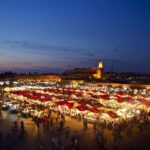
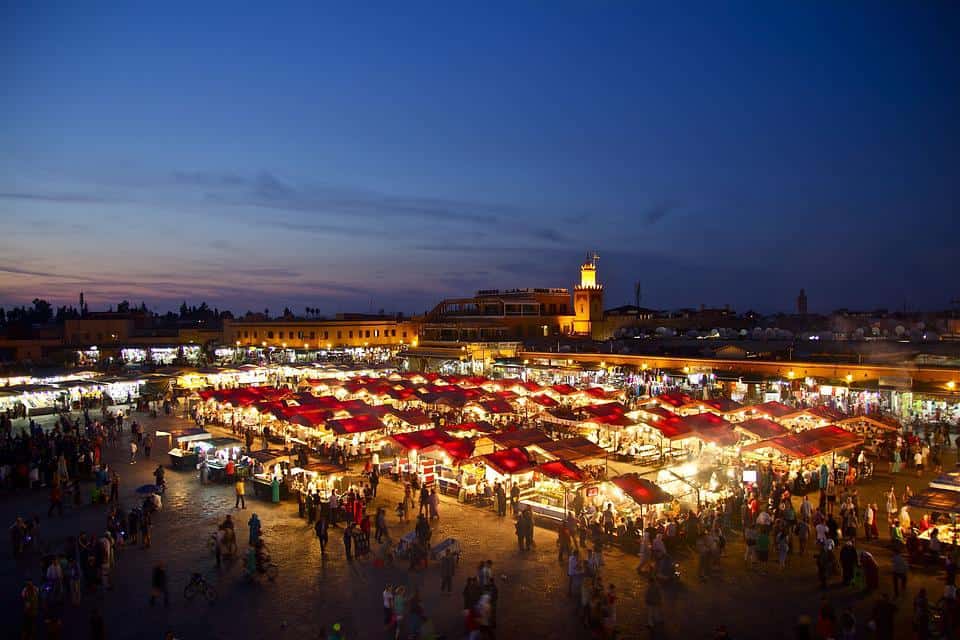
Djemaa el Fna Square: The beating heart of Marrakech, this UNESCO World Heritage square transforms throughout the day. By afternoon, snake charmers, henna artists, and orange juice vendors dominate. As evening falls, food stalls materialize, storytellers gather crowds, and musicians create a theatrical atmosphere unlike anywhere else on earth.
The Souks: North of Djemaa el Fna sprawls one of the world’s most impressive traditional markets. Each section specializes in specific crafts—leather goods, metalwork, textiles, spices, carpets, lamps. Bargaining is expected and part of the cultural experience.
Bahia Palace: This 19th-century palace exemplifies Moroccan architectural grandeur with intricate tile work, carved cedar ceilings, and peaceful courtyards. The name means “brilliance,” which proves accurate.
Majorelle Garden: Created by French painter Jacques Majorelle and later restored by Yves Saint Laurent, these botanical gardens provide an oasis of calm featuring striking cobalt blue buildings, exotic plants, and the Berber Museum.
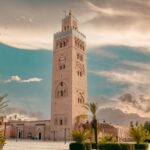
Koutoubia Mosque: Marrakech’s largest mosque dominates the skyline with its 77-meter minaret. While non-Muslims cannot enter, the exterior and surrounding gardens are magnificent, especially illuminated at night.
Saadian Tombs: Hidden for centuries until rediscovered in 1917, these elaborately decorated mausoleums house Saadian dynasty royalty with stunning tile work and cedar carvings.
Who Marrakech is Best For
- First-time Morocco visitors wanting the quintessential experience
- Shoppers and souvenir hunters
- Luxury travelers (excellent riad and resort options)
- Culture and history enthusiasts
- Foodies exploring Moroccan cuisine
- Adventure seekers using it as a base for Atlas Mountains or desert trips
How Many Days to Stay
Minimum 2 days to see highlights; 3-4 days allows deeper exploration including day trips to nearby attractions like the Ourika Valley or Essaouira.
Safety Level
Safe for tourists with normal precautions. The main challenges are persistent vendors, occasional scam attempts (fake guides, taxi overcharging), and pickpocketing in crowded areas. Stay alert in Djemaa el Fna at night. Women traveling solo should dress modestly and may experience more attention than in other cities.
Insider Tips
- Book riad accommodation inside the medina for authentic atmosphere
- Visit Djemaa el Fna multiple times—it’s different at dawn, afternoon, and night
- Hire an official guide for first medina exploration; negotiate price in advance
- Escape to gardens (Majorelle, Menara, Secret Garden) when overwhelmed
- Consider Marrakech as your base for exploring other Morocco travel destinations
Fes: The Medieval Heart of Morocco
Why Visit Fes
If Marrakech is Morocco’s showpiece, Fes is its soul. The oldest of Morocco’s imperial cities of Morocco, Fes preserves medieval life in ways few places on earth still manage. The Fes el-Bali medina—the world’s largest car-free urban area—is a UNESCO World Heritage site where donkeys still transport goods through passages too narrow for vehicles, where ancient tanneries operate using centuries-old techniques, and where you can genuinely get lost in time.
Fes attracts travelers seeking authenticity over accessibility, those willing to embrace confusion and disorientation as part of the adventure. This isn’t tourism packaged for convenience—it’s raw, real, and remarkable.
Top Attractions
Fes el-Bali Medina: This massive medieval medina contains over 9,000 streets and alleyways. Getting lost is essentially guaranteed and part of the experience. Key sites include the Bou Inania Madrasa (theological college with stunning architecture), Al-Qarawiyyin University (founded 859 AD, potentially the world’s oldest continuously operating university), and countless souks organized by trade.
Chouara Tannery: Fes’s famous leather tanneries have operated for centuries using traditional methods. The sight of workers standing in colorful dye vats is iconic, though the smell is intense. View from surrounding leather shops’ terraces.
Bou Inania Madrasa: One of few Moroccan religious buildings accessible to non-Muslims, this 14th-century madrasa showcases exquisite Islamic architecture with intricate tilework, carved plaster, and cedar wood.
Mellah (Jewish Quarter): Fes’s historic Jewish quarter reveals Morocco’s diverse heritage with synagogues, a Jewish cemetery, and distinctive architecture.
Royal Palace: While closed to visitors, the exterior golden doors and surrounding mosaic-decorated walls provide spectacular photo opportunities.
Pottery Quarter: Watch artisans create Fes’s famous blue and white ceramics using traditional techniques.
Who Fes is Best For
- History buffs and culture enthusiasts
- Travelers seeking authentic, less touristy experiences
- Photography enthusiasts (incredible visual opportunities)
- Those comfortable with maze-like navigation and getting lost
- Travelers interested in traditional crafts and artisan work
How Many Days to Stay
2-3 days minimum. The medina requires at least a full day, ideally two. A third day allows visits to Fes el-Jdid (new medina), pottery quarters, and surrounding areas.
Safety Level
Very safe with standard precautions. The primary challenge is navigation—hiring an official guide for the first day helps immensely. Be firm with unofficial “guides” offering help. Scams are less aggressive than Marrakech but still present.
Insider Tips
- Hire an official guide through your riad for first medina exploration
- Bring a scarf to cover nose at tanneries (the smell is overwhelming)
- Download offline maps, though GPS struggles in the dense medina
- Stay inside the medina for authentic atmosphere and easy access
- Morning visits to major sites avoid afternoon heat and crowds
- Visit the Merenid Tombs hillside for spectacular city views
Chefchaouen: The Blue Pearl of Morocco
Why Visit Chefchaouen
Chefchaouen defies expectations of what a Moroccan city should be. Tucked into the Rif Mountains in northern Morocco, this small mountain town has become one of the most beautiful cities in Morocco thanks to its signature blue-washed buildings that create an otherworldly, dreamlike atmosphere.
Unlike the frenetic energy of Marrakech or the labyrinthine complexity of Fes, Chefchaouen offers tranquility, stunning mountain scenery, and a relaxed pace perfect for decompression. The town attracts photographers drawn to its photogenic streets, hikers exploring surrounding mountains, and travelers seeking peaceful respite from Morocco’s more intense cities.
Top Attractions
The Blue Medina: The entire reason people visit Chefchaouen is simply to wander its blue streets, each corner more photogenic than the last. No specific “must-see” sites—the experience is the wandering itself.
Plaza Uta el-Hammam: The main square and social heart of Chefchaouen, surrounded by cafés perfect for mint tea and people-watching. The red-walled Kasbah sits on one side.
Kasbah Museum: A small museum inside a 15th-century fortress with gardens, dungeon, ethnographic exhibits, and panoramic views from the tower.
Ras el-Maa Waterfall: A small waterfall where locals wash clothes. It’s modest but provides a pleasant walk from the medina with mountain views.
Spanish Mosque Hike: A 30-45 minute hike uphill rewards you with spectacular sunset views over Chefchaouen and surrounding mountains.
Who Chefchaouen is Best For
- Photographers (Instagram gold)
- Travelers seeking relaxation and slower pace
- Mountain hiking enthusiasts
- Those escaping Morocco’s more intense cities
- Couples seeking romantic atmosphere
- Anyone who appreciates unique aesthetic beauty
How Many Days to Stay
2 days is ideal. One day lets you explore the medina thoroughly and complete the Spanish Mosque hike. A second day allows deeper exploration, nearby hiking, or simply soaking in the atmosphere.
Safety Level
Exceptionally safe. Chefchaouen has a reputation as one of Morocco’s most relaxed, friendly cities. The small size and tourist-dependent economy create a welcoming atmosphere. However, the town is built on steep hillsides—many stairs and uneven surfaces require reasonable mobility.
Insider Tips
- Arrive in late afternoon for best photography light
- Stay overnight to experience the town after day-trippers leave
- The medina is small—you can navigate it independently without guides
- Hiking boots help on cobblestone streets and surrounding trails
- Visit in spring for wildflowers or fall for comfortable temperatures
- Cannabis is openly present but illegal—politely decline offers
Essaouira: The Windy City by the Sea
Why Visit Essaouira
Essaouira represents Morocco’s bohemian, artistic soul. This coastal city, with its walled medina, working fishing port, and long sandy beaches, offers a completely different energy than Morocco’s inland imperial cities. The Atlantic breeze keeps temperatures comfortable year-round, making Essaouira a favorite summer escape for Moroccans from Marrakech.
The city attracts artists, musicians, surfers, and kitesurfers drawn by strong winds, creative energy, and laid-back atmosphere. Jimi Hendrix visited in the 1960s, and that countercultural spirit persists today.
Top Attractions
Essaouira Medina: Unlike Marrakech or Fes, Essaouira’s medina is compact, navigable, and relaxed. White and blue Portuguese colonial architecture creates photogenic streets filled with art galleries, craft shops, and cafés.
Essaouira Ramparts: 18th-century fortifications provide ocean views and cannon-lined bastions perfect for sunset viewing. The skala (fortified platform) hosted scenes from “Game of Thrones.”
The Port: Essaouira’s working fishing port buzzes with activity. Watch fishermen unload catches, observe boat repair, and enjoy the freshest seafood at port-side grills.
Essaouira Beach: A long sandy beach popular with kitesurfers and windsurfers. Swimming is possible but water is cold and currents strong. The beach walk extends for miles.
Sidi Mohammed ben Abdallah Museum: Displays traditional Moroccan instruments, weapons, carpets, and jewelry in a 19th-century riad.
Cooperative d’Huile d’Argan: Learn about and purchase argan oil directly from women’s cooperatives producing this Moroccan specialty.
Who Essaouira is Best For
- Beach lovers (though water is cold)
- Windsurfers and kitesurfers (world-class wind)
- Art enthusiasts
- Seafood lovers
- Those seeking relaxed coastal atmosphere
- Travelers wanting a day trip from Marrakech (2.5-hour drive)
How Many Days to Stay
2-3 days is ideal. One day covers medina exploration and port visits. Additional days allow beach time, water sports, or day trips to nearby Paradise Valley.
Safety Level
Very safe. Essaouira’s small size, tourist-focused economy, and relaxed atmosphere create a welcoming environment. Hassle from vendors is minimal compared to Marrakech.
Insider Tips
- Visit the port in late afternoon when fishing boats return
- Buy fresh fish at the port and have restaurants cook it for you
- Wind is strongest in afternoon—plan beach time for mornings
- Art galleries cluster in the medina—browse for quality crafts
- Combine with Marrakech for beach-and-city combination
- Water is cold year-round (16-22°C)—swimming requires tolerance
Rabat: Morocco’s Modern Capital
Why Visit Rabat
Rabat often gets overlooked by tourists rushing between Marrakech and Chefchaouen, yet Morocco’s capital deserves attention. One of the imperial cities of Morocco, Rabat combines historical significance with modern governmental importance, creating a sophisticated atmosphere distinct from more tourist-heavy cities.
Rabat feels more European and cosmopolitan than other Moroccan cities. Wide boulevards, French colonial architecture, gardens, museums, and a relaxed medina create a city that’s easy to navigate and comfortable for first-time Morocco visitors feeling overwhelmed by more intense destinations.
Top Attractions
Hassan Tower and Mausoleum of Mohammed V: Rabat’s signature landmark. The unfinished minaret dates to the 12th century, while the adjacent mausoleum showcasing intricate craftsmanship houses Morocco’s former kings. The site offers historical significance and architectural beauty.
Kasbah of the Udayas: A 12th-century fortress with blue-and-white painted streets (similar to Chefchaouen), Andalusian Gardens, and spectacular ocean views. This peaceful enclave contrasts with modern Rabat outside its walls.
Chellah: Ancient Roman and medieval ruins on Rabat’s southern edge. These atmospheric ruins, with resident storks nesting atop columns, provide fascinating historical layers and peaceful exploration.
Rabat Medina: Smaller and more manageable than Fes or Marrakech medinas, Rabat’s old quarter offers shopping and atmosphere without overwhelming chaos.
Mohammed VI Museum of Modern and Contemporary Art: Morocco’s premier modern art museum showcasing Moroccan and international contemporary artists.
Rabat Beach: A long stretch of sand popular with locals, providing a pleasant walk and ocean views.
Who Rabat is Best For
- Those seeking easier introduction to Morocco than Marrakech or Fes
- Architecture and history enthusiasts
- Travelers interested in modern Morocco beyond tourism
- Day-trippers from Casablanca
- Business travelers (as the capital)
How Many Days to Stay
1-2 days is sufficient. Major sites can be covered in a long day, but a second day allows relaxed exploration and museum visits.
Safety Level
Very safe. As the capital with governmental presence, Rabat maintains excellent security. The medina is calm, vendors are less aggressive, and the city feels cosmopolitan and safe.
Insider Tips
- Combine with Casablanca (easy train connection, 1 hour)
- Visit Hassan Tower in late afternoon for beautiful light
- The Kasbah of the Udayas is perfect for sunset
- Rabat works well as a first or last stop in Morocco itineraries
- Train station connects easily to other major cities
Casablanca: Morocco’s Economic Engine
Why Visit Casablanca
Casablanca is Morocco’s largest city and economic powerhouse. While it lacks the tourist appeal of Marrakech or Fes, the city offers glimpses of modern Moroccan life, stunning Art Deco architecture, and one attraction that alone justifies a visit: the Hassan II Mosque.
Set expectations appropriately: Casablanca is a working business city, not a tourist destination. Most travelers visit for a day while in transit or specifically to see the mosque. That said, its cosmopolitan atmosphere, beaches, and dining scene appeal to those seeking contemporary Morocco beyond historic sites.
Top Attractions
Hassan II Mosque: One of the world’s largest mosques, with the world’s tallest minaret (210 meters). Positioned partially over the Atlantic, this architectural marvel is one of few Moroccan mosques non-Muslims can enter through guided tours. The interior craftsmanship—carved cedar, intricate mosaics, massive chandeliers—is breathtaking.
Corniche (Ain Diab): Casablanca’s beachfront promenade lined with restaurants, cafés, beach clubs, and nightlife. More developed and modern than beaches in other Moroccan cities.
Art Deco Architecture: Downtown Casablanca showcases Mauresque architecture—a blend of Art Deco and Moroccan design from the French colonial period. Self-guided or organized architectural walks reveal hidden gems.
Old Medina: Casablanca’s medina is small and less impressive than other cities, but offers local atmosphere and shopping.
Rick’s Café: A themed restaurant recreating the bar from “Casablanca” (the movie wasn’t actually filmed here). Touristy but fun for film fans.
Who Casablanca is Best For
- Architecture enthusiasts
- Those in Morocco for business
- Travelers in transit wanting to break up journeys
- Film buffs (Casablanca movie connection)
- Those seeking modern Moroccan urban life
How Many Days to Stay
1 day is typically sufficient. The Hassan II Mosque takes 2-3 hours with a tour. The remainder of the day covers Corniche, architecture walks, and medina exploration.
Safety Level
Generally safe with normal city precautions. As a large city, petty crime exists. Avoid isolated areas at night and watch belongings in crowded spaces. Casablanca feels more like Barcelona or Marseille than traditional Morocco.
Insider Tips
- Book Hassan II Mosque tours in advance (only way to enter)
- English tours run at specific times—plan arrival accordingly
- Use licensed taxis or ride-hailing apps
- Casa Voyageurs train station connects to other cities easily
- The airport is Morocco’s main international hub
- Combine with Rabat (1-hour train ride)
Agadir: The Beach Resort Capital
Why Visit Agadir
Agadir is Morocco’s premier beach resort city, rebuilt after a devastating 1960 earthquake. Unlike Morocco’s ancient cities steeped in history, Agadir is thoroughly modern, focusing entirely on sun, sand, and relaxation.
This is where Moroccans and Europeans come for beach holidays rather than cultural immersion. All-inclusive resorts line the coast, the marina hosts upscale dining, and the atmosphere is relaxed and vacation-oriented. If you’re seeking medinas, souks, and ancient architecture, Agadir disappoints. If you want comfortable beach time with modern amenities, Agadir delivers.
Top Attractions
Agadir Beach: An 8-kilometer stretch of golden sand with reliable sunshine 300+ days per year. The beach is clean, spacious, and ideal for swimming, sunbathing, and water sports.
Agadir Marina: A modern development with restaurants, cafés, shopping, and yacht docking. It’s Morocco’s most European-feeling area.
Souk El Had: One of North Africa’s largest markets, operating daily except Monday. Primarily local-oriented for produce, spices, and household goods, with tourist sections selling crafts.
Agadir Kasbah: Ruins of the pre-earthquake old city atop a hill. Little remains structurally, but the hilltop provides spectacular views over modern Agadir and coast.
Crocoparc: An unexpected attraction—a crocodile park with botanical gardens and hundreds of Nile crocodiles. Popular with families.
Paradise Valley: A stunning oasis in the nearby Atlas foothills with natural pools and palm-filled canyon. A popular day trip for those wanting nature beyond beaches.
Who Agadir is Best For
- Beach resort seekers
- Families with children
- Golfers (several quality courses nearby)
- Those seeking comfortable, familiar Western-style vacation
- Surfers heading north to Taghazout
- Winter sun seekers (Europeans escaping cold)
How Many Days to Stay
3-7 days depending on beach relaxation goals. Agadir is a base, not a sightseeing destination. Longer stays suit those seeking pure beach vacation or using it as a base for surfing at nearby Taghazout.
Safety Level
Very safe. As a resort city depending on tourism, Agadir maintains high security standards. The modern layout and beach focus create a family-friendly environment.
Insider Tips
- Agadir is the gateway airport for surf destinations like Taghazout (30 min north)
- Water is cooler than Mediterranean (Atlantic influence)
- All-inclusive resorts dominate—compare carefully for value
- Use Agadir as a beach bookend to cultural cities like Marrakech or Essaouira
- Car rental from Agadir airport enables exploring coast north and south
Tangier: Gateway Between Continents
Why Visit Tangier
Tangier occupies a unique position as Morocco’s gateway city, sitting where the Atlantic meets the Mediterranean and where Africa meets Europe (Spain is just 14 km across the Strait of Gibraltar). This strategic location has shaped Tangier’s identity as an international crossroads with diverse influences.
Historically a haven for artists, writers, and bohemians drawn by its cosmopolitan atmosphere and looser social codes, Tangier today balances its colorful past with modern development. The city serves primarily as a transit point for travelers arriving by ferry from Spain or departing Morocco, but it merits at least a day of exploration.
Top Attractions
Kasbah Museum: Housed in a former sultan’s palace, this museum displays Moroccan art and artifacts with beautiful gardens and architecture.
Medina of Tangier: Smaller than Marrakech or Fes medinas, Tangier’s old quarter offers whitewashed buildings, small souks, and historic atmosphere without overwhelming crowds.
Caves of Hercules: Located west of the city, these caves feature a distinctive opening shaped like Africa. Folklore claims Hercules rested here. The coastal setting is dramatic.
Cap Spartel: The northwestern tip of Africa where Atlantic and Mediterranean meet. The lighthouse provides stunning ocean views.
American Legation Museum: The only U.S. National Historic Landmark outside the United States, showcasing Moroccan-American relations and housing art collections.
Grand Socco (Place du Grand 9 Avril 1947): The main square linking the medina to the Ville Nouvelle, surrounded by cafés and always buzzing with activity.
Who Tangier is Best For
- Travelers arriving from/departing to Spain
- Literary enthusiasts (Beat Generation, Paul Bowles connections)
- Those seeking less touristy Moroccan cities
- History buffs interested in international city dynamics
- Day-trippers from Spain
How Many Days to Stay
1-2 days is typical. Most travelers spend one night in transit. A full day covers major sites, with a second day allowing trips to nearby Chefchaouen or coastal exploration.
Safety Level
Safe with normal precautions. The port area can feel chaotic, and ferry arrivals attract touts offering services. Stay alert for overcharging in taxis and restaurants near the port. The medina and residential areas are safe and calm.
Insider Tips
- Fast ferries from Spain (Tarifa or Algeciras) take 1-2 hours
- Tangier Ville train station connects to other Moroccan cities
- The city is hilly—comfortable walking shoes help
- Visit Café Hafa for stunning clifftop sunset views
- Use Tangier as a starting/ending point for northern Morocco exploration
- Combine easily with Chefchaouen (2-3 hours south)
Taghazout: The Surf Mecca
Why Visit Taghazout
Taghazout has transformed from a sleepy fishing village into Morocco’s undisputed surf capital while maintaining its bohemian character. Located 20 km north of Agadir, this small coastal town attracts surfers from around the world drawn by consistent Atlantic swells, world-class point breaks, affordable surf camps, and a laid-back lifestyle.
If you’re not a surfer, Taghazout offers limited appeal—there are no major historical sites or museums. But for surfers, it’s paradise: year-round waves, surf camps catering to all levels, yoga retreats, healthy cafés, and a international community united by ocean passion.
Top Attractions
Anchor Point: Morocco’s most famous surf break—a long, powerful right-hand point break that can deliver rides over 300 meters. For experienced surfers only.
Killer Point: Just north of Anchor, another world-class right point. Slightly more forgiving than Anchor but still challenging.
Panorama Point (Hash Point): A mellow right point ideal for beginners and longboarders. Most surf camps use this spot for instruction.
Banana Beach (Taghazout Beach): The main village beach with multiple peaks suitable for various skill levels.
Paradise Valley: A stunning canyon oasis 30 minutes inland with natural pools, palm trees, and cliff jumping. A popular day trip when waves are flat.
Yoga and Wellness: Numerous studios offer yoga, meditation, and wellness programs complementing surf retreats.
Who Taghazout is Best For
- Surfers of all levels
- Digital nomads (strong wifi, coworking spaces, long-term stays)
- Yoga enthusiasts
- Budget travelers (affordable surf camps)
- Those seeking laid-back beach town atmosphere
- Solo travelers (instant community)
How Many Days to Stay
Minimum 5-7 days for a surf trip; many visitors stay weeks or months. Brief visits don’t capture Taghazout’s essence—it’s about immersion in surf lifestyle.
Safety Level
Very safe. The small size, tight-knit surf community, and tourism-dependent economy create a protective atmosphere. The ocean itself requires respect—waves can be powerful and lineup etiquette matters.
Insider Tips
- Taghazout is 20 km north of Agadir airport (30-min drive)
- Surf camps offer all-inclusive packages from €30/day
- Bring or rent appropriate wetsuit (3/2mm to 4/3mm depending on season)
- October-March brings biggest swells; April-September suits beginners
- The village is walkable—most spots accessible on foot or short drive
- Morning sessions offer best conditions (offshore winds, glass)
- Combine with Agadir for beach variety or Marrakech for cultural balance
For comprehensive guidance on planning your surf adventure, explore our detailed Morocco surf camp guide and discover why Taghazout consistently ranks among the best surf destinations globally.
Best Coastal Cities in Morocco
Morocco’s 3,500-kilometer coastline along the Atlantic and Mediterranean offers diverse coastal experiences. Here’s how the major coastal cities in Morocco compare:
For Surfing:
- Taghazout — World-class waves, surf camps, bohemian vibe
- Essaouira — Windsurfing and kitesurfing paradise, strong winds
- Imsouane — Long point breaks, relaxed atmosphere (between Essaouira and Agadir)
- Sidi Kaouki — Uncrowded beaches, good waves, south of Essaouira
For Beach Relaxation:
- Agadir — Resort amenities, reliable sunshine, family-friendly
- Essaouira — Artistic vibe, fresh seafood, walkable medina
- Asilah — Whitewashed beauty, art festivals, quiet beaches (north of Tangier)
For Culture + Coast:
- Essaouira — Best combination of medina, art, music, and ocean
- Rabat — Capital sophistication with coastal location
- Tangier — Gateway city with international character and beaches
Mediterranean Coast: Less developed than Atlantic side, but worth exploring:
- Saïdia — Long beaches, developing resort area
- Al Hoceima — Stunning natural park, Berber culture, less touristy
Imperial Cities of Morocco: Historical Powerhouses
Morocco’s four imperial cities served as capitals at various points in the country’s history, each leaving distinct architectural and cultural legacies:
1. Marrakech (founded 1062)
- Capital during Almohad and Saadian dynasties
- Signature: Red pisé (mud brick) architecture, souks, Koutoubia Mosque
- Most tourist-developed imperial city
2. Fes (founded 789)
- Capital during multiple dynasties, including Marinids
- Signature: World’s largest car-free urban zone, medieval medina, tanneries
- Most authentic and historically preserved
3. Rabat (current capital since 1912)
- Capital during Almohad period and current governmental seat
- Signature: Hassan Tower, modern sophistication, administrative importance
- Most European-feeling imperial city
4. Meknes (capital 1672-1727)
- Capital during Alaouite Sultan Moulay Ismail’s reign
- Signature: Massive gates (Bab Mansour), royal stables, Moulay Ismail Mausoleum
- Often overlooked but rewarding, easily combined with nearby Volubilis Roman ruins
Visiting All Four: A complete imperial cities circuit requires 7-10 days:
- Marrakech (3 days) → Rabat (1 day) → Meknes (1 day) → Fes (3 days)
- Add Volubilis (Roman ruins near Meknes) for historical depth
Safest Cities in Morocco for Tourists
Morocco maintains excellent safety standards for tourists. These cities consistently rank as the safest cities in Morocco based on crime statistics, tourist infrastructure, and traveler feedback:
1. Chefchaouen
- Small size, tight-knit community, minimal crime
- Relaxed atmosphere with minimal hassle
- Biggest risk: getting tired from climbing steep streets
2. Essaouira
- Compact, tourist-friendly, laid-back energy
- Less aggressive vendors than Marrakech
- Strong tourism police presence
3. Rabat
- Capital security, governmental presence
- Modern infrastructure, less chaotic than other cities
- Sophisticated, cosmopolitan atmosphere
4. Taghazout
- Small surf community, everyone knows everyone
- Tourism-dependent economy creates protective environment
- Ocean safety requires respect, but crime is minimal
5. Agadir
- Modern resort city built for tourists
- Well-patrolled, family-oriented
- Feels safest for travelers seeking Western comfort
Cities Requiring More Awareness:
- Marrakech — Crowded areas attract pickpockets; scams more common
- Casablanca — Large city with urban crime; standard big-city precautions apply
- Fes Medina — Easy to get disoriented; unofficial guides can be pushy
General Morocco Safety: All cities listed are safe with normal travel precautions. Morocco’s tourism industry depends on visitor satisfaction, creating strong incentives to maintain security. The biggest challenges are petty scams, aggressive vendors (easily managed with firm politeness), and navigating chaotic traffic.
Suggested 7-10 Day Itinerary: Combining the Best Cities
7-Day First-Time Morocco Itinerary
Day 1-3: Marrakech
- Arrive, recover from travel
- Explore Djemaa el Fna, souks, palaces, gardens
- Day trip to Atlas Mountains or Essaouira
Day 4-5: Fes
- Train or flight from Marrakech
- Deep dive into medieval medina with guide
- Visit tanneries, madrasas, artisan quarters
Day 6: Chefchaouen
- Travel from Fes (3.5 hours)
- Afternoon/evening exploring blue streets
- Sunset at Spanish Mosque
Day 7: Chefchaouen to Casablanca or Marrakech
- Morning in Chefchaouen
- Travel to departure city
- Evening flight home
Why This Works: Covers Morocco’s greatest hits (Marrakech, Fes, Chefchaouen), combines imperial history with mountain beauty, manageable pace without excessive travel days.
10-Day Morocco Grand Tour
Day 1-3: Marrakech
- Full exploration of Red City
- Day trip to Essaouira or Atlas Mountains
Day 4: Travel to Fes via Rabat
- Morning in Rabat (Hassan Tower, Kasbah of Udayas)
- Afternoon train to Fes
Day 5-6: Fes
- Two full days exploring medina
- Organized walking tours, tanneries, artisan quarters
Day 7-8: Chefchaouen
- Travel from Fes
- Relaxed exploration, hiking, photography
- Possible Tangier day trip (1.5 hours north)
Day 9: Essaouira or Agadir
- Return south via Casablanca or direct route
- Coastal relaxation, beach time
Day 10: Marrakech or Casablanca Departure
- Travel to departure airport
- Final souvenir shopping
Why This Works: Comprehensive circuit hitting imperial cities, mountains, coast, and traditional Moroccan experiences. Balanced mix of culture and relaxation.
10-Day Surf-Focused Itinerary
Day 1-2: Marrakech
- Arrive, explore highlights quickly
- Acclimatize to Morocco
Day 3-8: Taghazout/Tamraght
- Transfer to surf camp
- Daily surf sessions at various breaks
- Yoga, cultural excursions (Paradise Valley, markets)
- Build surf skills progressively
Day 9: Essaouira
- Day trip or overnight
- Explore medina, seafood lunch
- Possible kite/windsurfing
Day 10: Return to Marrakech
- Final souvenir shopping
- Evening departure
Why This Works: Maximizes surf time while including cultural touchpoints. Ideal for travelers prioritizing waves with some Morocco cultural exposure.
Frequently Asked Questions About Morocco’s Best Cities
What is the most beautiful city in Morocco?
Beauty is subjective, but Chefchaouen wins most “most beautiful” polls thanks to its distinctive blue-washed buildings set against mountain backdrops. For architectural beauty, Fes showcases stunning medieval Islamic design. For dramatic settings, Essaouira combines coastal scenery with Portuguese fortifications. Marrakech offers vibrant, colorful beauty through palaces and gardens. Each city delivers different aesthetic experiences—Chefchaouen’s photogenic streets, Fes’s intricate tilework, Essaouira’s coastal charm, or Marrakech’s sensory intensity.
What city should I visit first in Morocco?
Marrakech is the most logical first destination for most travelers. It’s Morocco’s best-connected city internationally, offers comprehensive Moroccan experiences (medina, souks, palaces, cuisine), and has excellent tourist infrastructure. Casablanca works if arriving via its international airport, though it’s less impressive culturally—use it as a gateway to Marrakech or Rabat. Tangier suits travelers arriving from Spain by ferry. Ultimately, let flight connections and itinerary logic determine your entry city, but plan to reach Marrakech or Fes early in your trip.
Is Marrakech better than Fes?
Neither is objectively “better”—they offer different experiences. Marrakech is more tourist-developed with luxury riads, rooftop restaurants, organized tours, and accessible attractions. It’s easier for first-timers and those seeking comfort. Fes is more authentic, less polished, more challenging to navigate, but potentially more rewarding for travelers seeking genuine medieval Morocco. Marrakech feels showier; Fes feels deeper. Ideally, visit both. If choosing one: Marrakech for accessible introduction and comfort; Fes for authentic immersion and history.
Which Moroccan city has the best beaches?
Agadir offers the best beach resort experience with 8 km of sandy coastline, modern amenities, reliable sunshine, and swimming-friendly waters. Essaouira provides better atmosphere (charming medina, art scene) but cooler, windier conditions. Taghazout delivers the best surf beaches with world-class waves and bohemian vibe. For uncrowded, natural beaches, explore Asilah (north) or Sidi Kaouki (near Essaouira). For Mediterranean beaches, Saïdia in northeast Morocco offers long, sandy stretches. Your “best” depends on priorities: resort comfort (Agadir), culture+coast (Essaouira), surfing (Taghazout), or undiscovered beauty (smaller coastal towns).
What are the safest cities in Morocco for tourists?
All major Moroccan cities are safe for tourists with standard travel precautions. Chefchaouen, Essaouira, and Rabat consistently rank as safest based on low crime, relaxed atmospheres, and tourist-friendly environments. Agadir and Taghazout are very safe as tourist-dependent beach destinations. Marrakech and Casablanca require more awareness due to size and crowds—watch for pickpockets in tourist areas and be firm with aggressive vendors. Fes medina can feel overwhelming but is safe; the main challenge is navigation. Morocco overall maintains excellent tourist safety standards.
How many days do I need to see Morocco’s top cities?
Minimum 7 days for a quick introduction covering Marrakech, Fes, and one other city (Chefchaouen or Essaouira). 10 days allows comfortable exploration of 3-4 cities without rushing: Marrakech (3 days), Fes (2 days), Chefchaouen (2 days), plus coastal stop (2 days) and travel time. 14 days enables comprehensive touring including imperial cities, desert excursions, and coastal relaxation. 3 weeks+ supports in-depth exploration with multiple regions, slower pace, and off-the-beaten-path destinations. First-time visitors typically spend 7-10 days, which provides excellent introduction without exhaustion.
Can I visit multiple Moroccan cities without a car?
Yes, absolutely. Morocco has excellent train service connecting major cities: Marrakech, Casablanca, Rabat, Tangier, and Fes are all linked by comfortable, affordable trains. CTM and Supratours buses serve destinations not on rail lines, including Chefchaouen and Essaouira. Grand taxis (shared taxis) connect smaller towns. For coastal exploration or mountain access, organized tours or private drivers offer flexibility without driving yourself. Car rental makes sense for remote areas, surfing multiple spots, or extensive rural exploration, but isn’t necessary for main city circuits.
Conclusion: Choosing Your Moroccan Adventure
The best cities to visit in Morocco ultimately depend on your travel style, interests, and timeframe. History enthusiasts will gravitate toward the imperial cities of Marrakech, Fes, Rabat, and Meknes, each offering distinct architectural treasures and cultural insights. Beach lovers will find paradise in Essaouira’s artistic coastal charm, Agadir’s resort comfort, or Taghazout’s world-class surf breaks. Photography addicts won’t leave without experiencing Chefchaouen’s blue streets. And first-time visitors seeking the quintessential Moroccan experience will find Marrakech delivers in spectacular fashion.
The true magic happens when you combine multiple cities, creating an itinerary that balances the frenetic energy of Marrakech with the peaceful blue streets of Chefchaouen, the medieval authenticity of Fes with the coastal breeze of Essaouira, or the cultural immersion of imperial cities with the wave-riding bliss of Morocco’s surf coast.
Morocco rewards both careful planning and spontaneous exploration. Start with the cities that speak to your interests, but remain open to unexpected discoveries—that quiet riad courtyard in Fes, that perfect sunset session at Anchor Point, that conversation over mint tea with a local artisan in Essaouira. These moments between the major attractions often become your most treasured memories.
Ready to start planning? Explore our comprehensive guides to Marrakech tourism, Morocco surf camps, and 7-day Morocco itineraries to transform these destination insights into your personalized Moroccan adventure. The souks, mountains, waves, and welcoming faces of Morocco are waiting.
Your Moroccan journey begins with choosing the right cities. Where will you go first?