
Table of Contents
Things to do in Tamraght Nestled along Morocco’s sun-drenched Atlantic coast, just north of Agadir and south of the famous cliffs of Taghazout, lies Tamraght a peaceful Berber fishing and agricultural village turned bohemian surf haven.
If you are planning your first trip to Morocco and looking for a coastal escape that blends authentic local culture with world-class wave action, relaxed digital nomad spaces, and golden-hour sunsets, Tamraght deserves a top spot on your itinerary.
Unlike its busier neighbor Taghazout, Tamraght moves at a slower, more grounded rhythm. Whitewashed houses with blue accents climb up the hillside, local markets hum with the chatter of daily village life, and the call to prayer echoes harmoniously across the valley five times a day. Whether you are a solo traveler looking to disconnect, a digital nomad seeking a productive workspace with a sea breeze, a couple searching for a laid-back retreat, or a surfer chasing endless rights and lefts, this comprehensive Tamraght travel guide covers everything you need to know to make the most of your adventure.
1. Learn to Surf or Catch Your First Wave
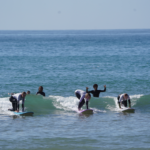
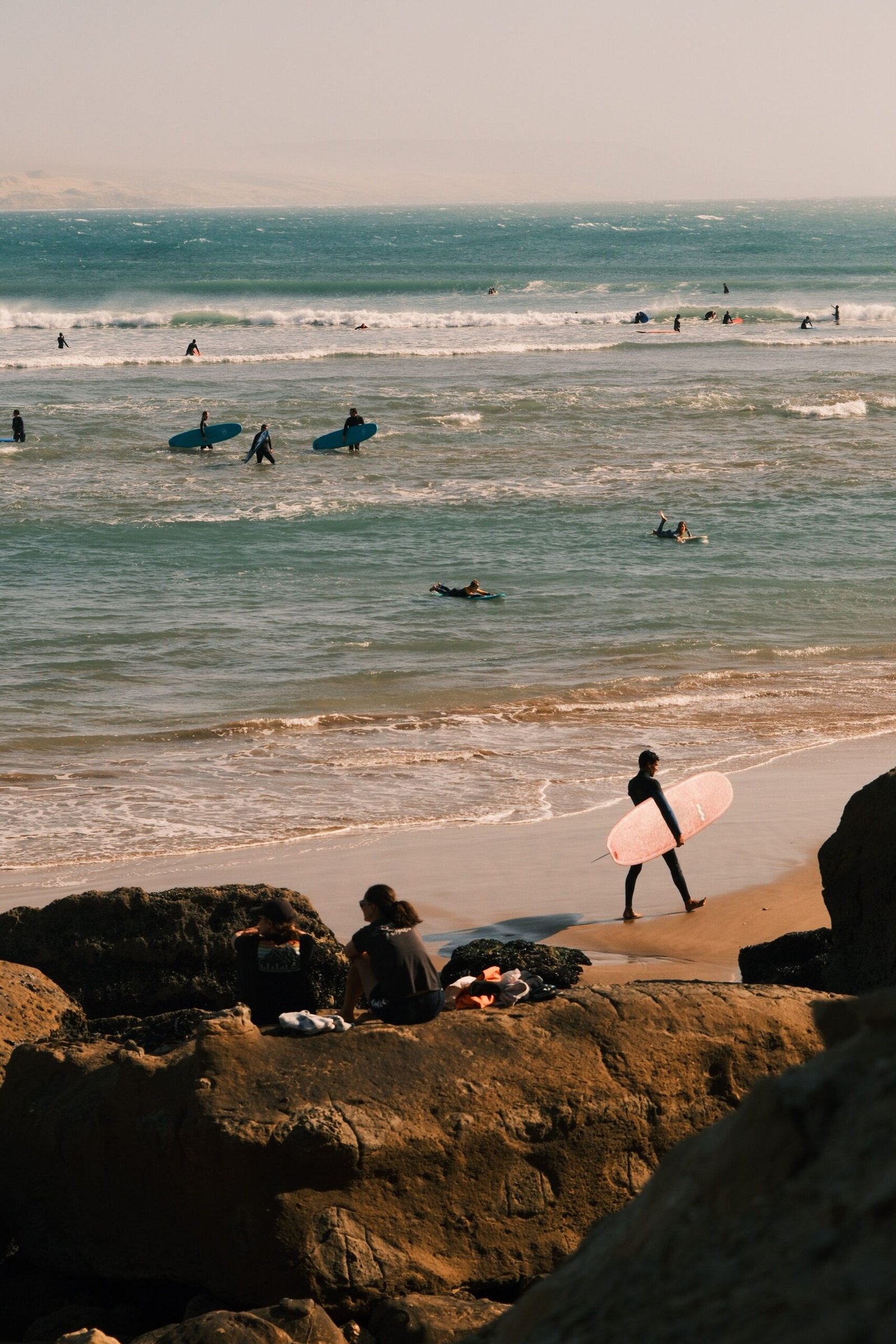
Surfing is the lifeblood of Tamraght, putting this quiet stretch of coastline firmly on the global map. Thanks to its unique geographical positioning, the area benefits from consistent swells rolling down the Atlantic from September through May, while summer months offer smaller, beginner-friendly conditions.
What makes Tamraght exceptional for surfers is its proximity to a diverse variety of breaks. If you are a complete beginner, the sandy-bottom beach breaks right on the village’s doorstep—such as Cro-Cro, Imouran Beach, and Plage 17—offer gentle, forgiving waves that make standing up for the first time feel entirely achievable. Intermediate and advanced surfers can test their skills at punchy reef breaks or paddle out to world-class point breaks like Banana Point, just a short walk down the coast.
For travelers who want a seamless, all-inclusive approach to riding waves without the stress of logistics, staying at a dedicated surf property provides an effortless entry point. For instance, travelers who want accommodation combined with surf experiences can choose a surf camp such as Sable Beach Surfcamp , where daily coaching, board rentals, and local insider knowledge take the guesswork out of chasing the best conditions.
For solo female travellers or women looking for a dedicated community-focused environment, finding the right accommodation can shape the entire trip. For example, travellers can look into Mermaids Only Hostel, which is a women-only hostel and the first women-only hostel in Morocco, designed specifically to offer a safe, comfortable, and empowering space for women exploring the coast on their own.”
2. Explore the Diverse Beaches Around Tamraght
The coastline framing Tamraght Morocco is wild, rugged, and remarkably varied. Walking down from the village brings you to miles of golden sand flanked by dramatic sandstone cliffs.
- Devil’s Rock (Imouran Beach): One of the most popular hubs in the area, named after the prominent rock formation jutting into the sea. It’s a fantastic spot for a morning surf session, a sunny afternoon lounging on a rented deckchair, or watching local football matches played right on the sand at low tide.
- Banana Beach: Stretching south toward Aourir (Banana Village), this wide expanse of sand is ideal for long coastal walks and is home to the mellow waves of Banana Point.
- Cro-Cro Beach: Known for its chilled-out beach shack vibe, it’s a favorite gathering spot for surfers and sun-worshippers looking to relax between sessions.
Visitor tip: Ocean conditions change rapidly depending on tides and swells. Always check local forecasts, respect the power of the Atlantic current, and chat with local instructors if you are unsure about swimming conditions.
3. Start Your Morning with Specialty Coffee and Breakfast
The culinary scene in Tamraght has evolved dramatically over the last few years, blending traditional Moroccan hospitality with modern café culture. Mornings here are slow, intentional, and centered around exceptional coffee and nourishing food.
A cornerstone of this growing cafe culture is Amigos Café , a welcoming spot where visitors can enjoy breakfast, specialty coffee, and a relaxed social atmosphere . Whether you are fueling up with a hearty post-surf breakfast bowl, sipping an iced latte, or catching up on remote work while chatting with fellow travelers, it serves as an ideal gathering point to soak up the local lifestyle.
4. Unwind with a Rooftop Yoga or Wellness Session
After a few days of battling the Atlantic surf, your muscles will likely crave some recovery. Tamraght has naturally blossomed into a major wellness hub, heavily intertwined with its surf culture.
Many local guesthouses, boutique hotels, and dedicated wellness spaces feature expansive rooftop shalas overlooking the ocean. Morning and sunset yoga classes typically blending Vinyasa, Hatha, or Yin styles—are designed specifically to open tight shoulders, stretch sore hamstrings, and calm the nervous system. Checking current local schedules upon arrival or dropping into an open-air class is one of the most rewarding ways to anchor your daily routine.
5. Take a Day Trip to Neighboring Taghazout
No trip to Tamraght is complete without exploring its famous neighbor just five to ten minutes up the road. While Tamraght offers a residential, calm, and deeply local atmosphere, Taghazout is a bustling, vibrant surf town full of color, concept stores, and bustling rooftop bars.
Hop on the local #32 bus or take a quick, inexpensive petit taxi to spend an afternoon wandering through Taghazout’s narrow alleyways, shopping for handmade Berber rugs and silver jewelry, or watching advanced surfers tackle the legendary power of Anchor Point. Many travelers choose to sleep quietly in Tamraght to escape the nighttime noise, heading north whenever they want a dose of higher-energy social nightlife.
6. Chase Waterfalls at Paradise Valley
Tucked deep into the palm-lined gorges of the Atlas Mountains, roughly a 45-minute drive inland from the coast, lies Paradise Valley—one of the most popular day trips in the region.
A winding trail through a lush canyon leads visitors past rocky riverbeds, steep cliffs, and a series of crystal-clear natural rock pools fed by mountain streams. It is a stunning contrast to the arid coastal scenery. When water levels are favorable, it’s a popular spot for swimming, sunbathing, and cliff-jumping for the brave-hearted.
Practical tip: Always check current weather and local conditions before heading out, as water levels can fluctuate significantly depending on recent rainfall. Hiring a local driver or joining a shared excursion from Tamraght makes getting there effortless.
7. Go Sandboarding at the Timlalin Dunes
For a completely different landscape, head further north past Tamri toward the dramatic coastal desert where the Sahara meets the Atlantic Ocean at the Timlalin Dunes.
Here, massive mountains of fine golden sand roll right down to the crashing waves. Renting a sandboard allows you to glide down the steep slopes, testing your balance while surrounded by absolute silence. Staying until late afternoon turns the experience into something truly magical, as the setting sun paints the dunes in deep shades of amber and rose.
8. Take a Surf Mission North to Imsouane
If you are willing to venture a bit further up the winding coastal highway (about an hour and a half north), you will reach Imsouane—a legendary destination for longboarders and wave-lovers worldwide.
Imsouane is famous for “The Bay,” home to one of the longest right-hand waves in Africa. Watching surfers glide effortlessly for hundreds of meters along the curving cliff wall is mesmerizing. Even if you aren’t chasing the waves, visiting Imsouane for a day trip lets you enjoy a plate of ultra-fresh grilled fish right at the port while soaking in the relaxed, timeless fishing-village atmosphere.
9. Dive into Local Culture at Agadir’s Souk El Had
Just 15 to 20 minutes south of Tamraght lies the vibrant city of Agadir. While Agadir offers modern amenities, broad beach promenades, and a bustling marina, its crown jewel for cultural exploration is Souk El Had .
Enclosed by massive traditional ramparts, this sprawling municipal market is one of the largest in Morocco. Inside, thousands of stalls sell everything from pyramids of fragrant spices, argan oil, and fresh dates to handmade leather goods, ceramics, lanterns, and textiles. It’s an incredible place to practice your bargaining skills, pick up authentic souvenirs, and experience authentic Moroccan commerce far away from the surf crowds.
10. Savor Authentic Moroccan Food and Street Flavors
Exploring Tamraght on an empty stomach is never a good idea. The local food scene spans from simple roadside grills to wholesome health-conscious cafés.
Make sure to sample classic Moroccan staples during your stay:
- Traditional Tagine: Slow-cooked lamb, chicken, or vegetable stews infused with saffron, ginger, and preserved lemons, baked to perfection in earthenware pots.
- Moroccan Breakfast: Freshly baked flatbreads ( khobz ), local honey, homemade amlou (a rich spread made from almonds, argan oil, and honey), olives, and fresh mint tea.
- Fresh Catch of the Day: Grilled fish served straight from the Atlantic at seaside shacks near Devil’s Rock.
11. Connect with the Community and Meet Fellow Travelers
One of the greatest highlights of visiting Tamraght is the people you meet along the way. Because the village attracts a unique blend of remote workers, long-stay surfers, and independent wanderers, the social atmosphere is warm, inclusive, and unpretentious.
For solo female travelers or women looking for a dedicated community-focused environment, finding the right accommodation can shape the entire trip. For example, travelers can look into [Internal link: Mermaids Only Hostel] , which is a women-only hostel and the first women-only hostel in Morocco, designed specifically to offer a safe, comfortable, and empowering space for women exploring the coast on their own.
12. Things to do in Tamraght Embrace the Slower, Mindful Side of Village Life
It is easy to get caught up in an endless checklist of activities, but the true magic of Tamraght lies in slowing down.
Take an afternoon to simply do nothing. Grab a book, sit on a high rooftop terrace, and watch the local fishermen return as the sun melts directly into the Atlantic. Stroll slowly through the residential backstreets, greet the local shopkeepers with a warm “Salam Alaikum,” and let the unhurried rhythm of Moroccan village life reset your perspective.
Tamraght Practical Travel Guide: What First-Timers Need to Know
How Many Days Should You Stay?
- 3 Days: Perfect for a quick weekend surf getaway. You’ll have time to hit the waves at Devil’s Rock, eat well, and catch a sunset over Taghazout.
- 5 Days: Gives you enough breathing room to add a day trip to Paradise Valley or the Timlalin Dunes without feeling rushed.
- 7 Days or More: The sweet spot. This allows you to truly settle into the village rhythm, improve your surfing technique, work remotely, and take day trips to Imsouane or Agadir.
How to Get to Tamraght
- From Agadir Al Massira Airport (AGA): The easiest option is booking an airport transfer through your accommodation, which takes roughly 35 to 40 minutes. Alternatively, you can take a taxi to Agadir city center and catch the local #32 bus northward.
- From Taghazout: A 5-minute petit taxi ride or a scenic 6-kilometer walk/bike ride along the coastal path.
When Is the Best Time to Visit?
- For Surfing: September through April brings the most consistent Atlantic swells.
- For Sunshine & Relaxation: May through August offers warm weather, smaller and safer beginner waves, and a lively summer holiday atmosphere.
Is Tamraght Good for Beginners, Solos, and Nomads?
Yes, exceptionally so. Its sandy beach breaks, community-focused hostels, reliable Wi-Fi in local cafés, and welcoming local population make it one of the safest and most comfortable coastal hubs in North Africa for first-time visitors.
Tamraght vs. Taghazout: Which One Should You Choose?
Choose Tamraght if you want quieter nights, better value accommodation, proximity to beginner-friendly sandy beaches, and an authentic local village atmosphere. Choose Taghazout if you want immediate walking access to famous surf point breaks and a busier, more social nightlife scene right outside your door.
Frequently Asked Questions About Visiting Tamraght
1. Is Tamraght safe for solo female travelers? Yes. Tamraght is a tight-knit, peaceful village where locals are accustomed to international travelers. Standard travel precautions apply, but solo women generally feel very safe walking around during the day and early evening. Specialized accommodations like women-only hostels also provide extra comfort.
2. Do I need to rent a car to get around? Not necessarily. Everything within Tamraght is easily walkable. For trips to Taghazout, Aourir, or Agadir, local petit taxis and the cheap #32 bus run frequently along the coastal road. A car is only truly helpful if you plan on exploring deep into the Atlas Mountains or remote northern surf spots independently.
3. Can I work remotely from Tamraght? Absolutely. Tamraght has become a popular hub for digital nomads. Many cafés, guesthouses, and surf camps offer reliable Wi-Fi, comfortable workspaces, and ocean views.
4. Do I need previous surfing experience to visit? Not at all. While it is a world-famous surf destination, half the charm of Tamraght lies in learning how to surf. There are numerous certified surf schools and instructors offering beginner lessons tailored to getting you standing on a soft-top board safely.
5. What currency is used, and should I carry cash? The local currency is the Moroccan Dirham (MAD). While card payments are accepted at modern cafés and surf camps, you will definitely need cash (Dirhams) for small local shops, street food, fruit markets, and petit taxis.
6. Is English widely spoken in Tamraght? Yes. Because of the thriving international surf and digital nomad community, English is widely spoken across most cafés, restaurants, and surf camps, alongside French, Arabic, and Tamazight (Berber).