
Introduction to Marrakech’s Hidden Gems
Marrakech, often called the Red City due to its distinctive clay buildings, is a mesmerizing destination that captivates travelers with its vibrant souks, stunning palaces, and rich cultural heritage. While the famous Jemaa el-Fnaa square and Koutoubia Mosque draw millions of visitors, Marrakech harbors countless hidden gems waiting to be discovered by curious explorers. This comprehensive 7-day itinerary is designed specifically for first-time visitors who want to experience both the iconic landmarks and the lesser-known treasures that make Marrakech truly special.
Why Choose a 7-Day Itinerary?
A week in Marrakech allows you to explore beyond the surface level, giving you time to absorb the city’s unique atmosphere, venture into surrounding areas, and discover those secret spots that often remain hidden to rushed tourists. This itinerary balances structured activities with unstructured exploration time, allowing for spontaneity and those magical moments that often become the highlight of any trip.
Day 1: Arrival and Medina Immersion
Morning: Welcome to Morocco
Arrive at Marrakech Menara Airport and take a taxi to your accommodation. For your first stay, consider booking a traditional riad in the Medina rather than a hotel. These beautifully designed guesthouses offer authentic Moroccan hospitality and serve as peaceful oases within the bustling old city. Popular areas include the northern Medina near the Bahia Palace or the area around Bab Doukkala.
Afternoon: Getting Your Bearings
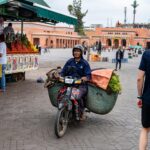
After checking in and refreshing, begin your exploration with a relaxed orientation walk. Start at Jemaa el-Fnaa, the famous central square, but resist the urge to enter the square immediately. Instead, walk around its perimeter to observe the organized chaos from a distance. Notice the various activity zones – snake charmers in one area, juice vendors in another, and storytellers in yet another section.
From here, wander through the surrounding souks (markets). The souks are organized by trade, creating distinct neighborhoods of leatherworkers, metal artisans, spice merchants, and carpet sellers. This first exposure will familiarize you with Moroccan commerce and help develop your navigation skills for later explorations.
Evening: Traditional Dinner Experience
Dine at a rooftop restaurant overlooking Jemaa el-Fnaa for your first Moroccan meal. Try tagine (slow-cooked stew), couscous, and mint tea while watching the square transform at sunset. The evening light creates magical shadows across the palm trees and minarets, offering your first glimpse of Marrakech’s romantic charm.
Day 2: Iconic Marrakech Landmarks
Koutoubia Mosque and Gardens
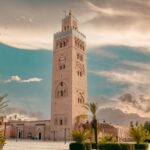
Begin your day at the Koutoubia Mosque, Marrakech’s most recognizable landmark. While non-Muslims cannot enter the mosque, the surrounding gardens and the exterior of the 12th-century structure are worth exploring. The mosque’s magnificent minaret, standing at 77 meters tall, serves as a useful orientation point throughout your stay.
Bahia Palace and Hidden Courtyards
Next, visit the Bahia Palace, but go beyond the main tourist route. While the central courtyards are beautiful, ask your guide about the hidden rooms and lesser-visited areas where artisans still work on traditional crafts. The palace’s name means “brilliance,” and it lives up to its promise with stunning zellij tilework, carved cedar ceilings, and tranquil courtyards.
Yves Saint Laurent’s Legacy: Majorelle Garden
In the afternoon, take a petit taxi to the Majorelle Garden, created by French painter Jacques Majorelle and later restored by fashion designer Yves Saint Laurent. This botanical garden features exotic plants from around the world and the famous “Majorelle blue” buildings. While the garden has become increasingly popular, visit early or late in the afternoon when crowds thin to fully appreciate its serene beauty.
Secret Garden Discovery
After the Majorelle Garden, walk to the nearby Secret Garden (Jardin Secret), a restored 16th-century garden that many tourists miss. This hidden gem features Islamic garden design, a traditional Berber garden, and a tower offering panoramic city views. The clever water systems and exotic plantings make this a fascinating contrast to the more manicured Majorelle.
Day 3: Medina’s Hidden Treasures
Local Market Experience
Dedicate this day to exploring the Medina’s authentic heart. Start early at the Mellah (Jewish quarter), where you can still find traces of the once-thriving Jewish community. Visit the Lazama Synagogue and the adjacent cemetery, which offer insight into Marrakech’s multicultural history.
Artisan Workshops
Venture into the less touristy artisan areas where craftspeople work as they have for generations. Look for cooperatives where you can watch artisans create ceramics, wood carvings, and leather goods. These visits often lead to unexpected discoveries and meaningful interactions with local craftsmen.
Dar Si Said Museum
Skip the more famous Dar Si Said Museum and instead visit this specialized museum, which houses an extensive collection of Berber jewelry, weapons, and textiles. The building itself is a beautiful example of Moroccan architecture, often less crowded than other museums.
Evening: Hidden Restaurant Experience
End your day at a hidden restaurant known only to locals. Ask your riad owner for recommendations or book through a local guide who can take you to places like La Maison Arabe’s hidden patio or tiny family-run establishments in the Kasbah area.
Day 4: Day Trip to the Atlas Mountains
Escape to the Mountains
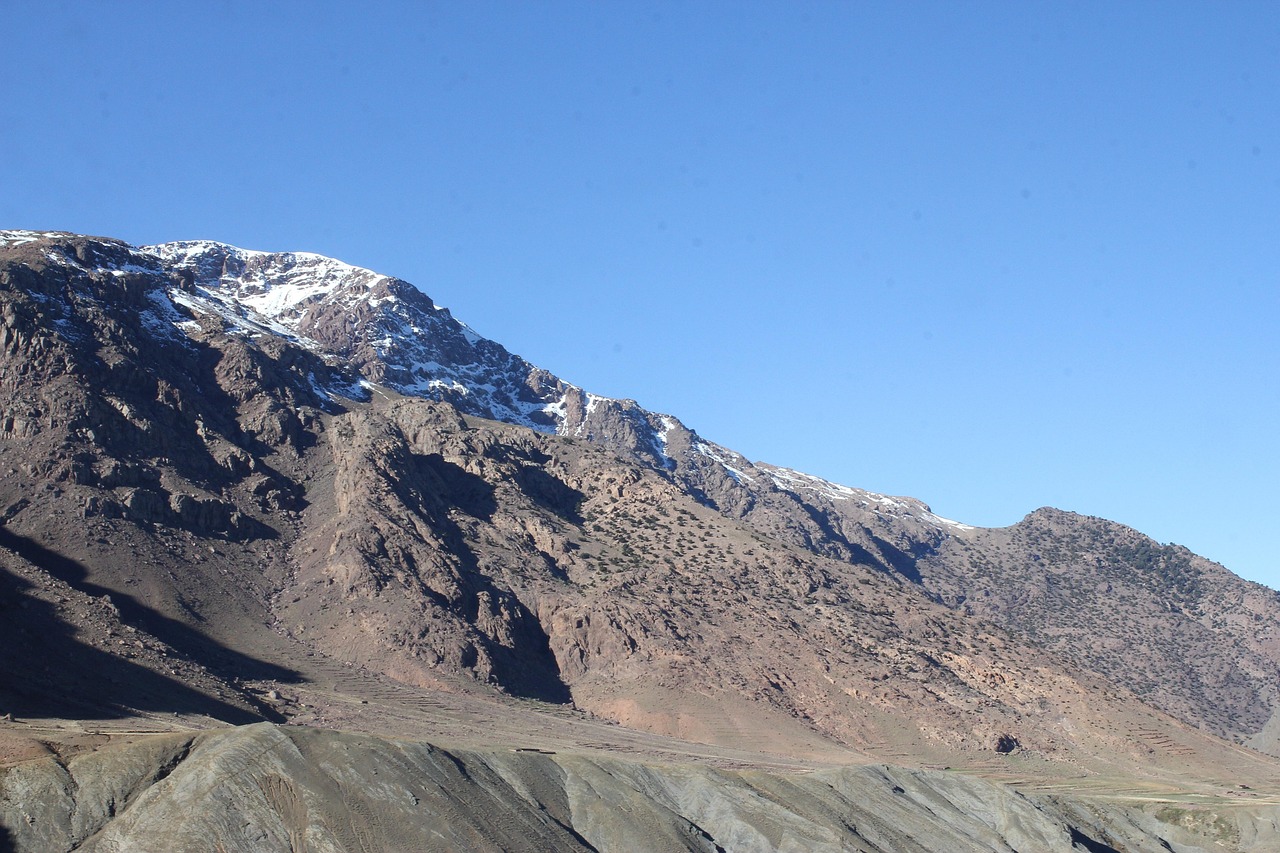
Take a day trip to the High Atlas Mountains, located just 30-40 minutes from Marrakech. This landscape change provides contrast to city life and showcases Morocco’s incredible geographical diversity.
Imlil Village Experience
Visit Imlil, a Berber village at the foothills of Mount Toubkal (North Africa’s highest peak). Here, you can hike to nearby waterfalls, enjoy authentic Berber hospitality, and learn about traditional mountain life. Many travelers rush through this area, but taking time to interact with villagers creates meaningful connections.
Traditional Berber Lunch
Enjoy a home-cooked meal in a Berber family’s house, often featuring locally grown produce and traditional cooking methods. These meals, frequently prepared in a tannourt (clay oven), provide authentic flavors rarely found in city restaurants.
Return to Marrakech
Return to Marrakech in the late afternoon, stopping at viewpoints along the way for stunning sunset photos of the mountains. This break from city exploration refreshes you for more urban discoveries in the coming days.
Day 5: Gardens and Modern Marrakech
Agdal Gardens
Visit the Agdal Gardens, established in the 12th century and recognized as a UNESCO World Heritage site. These vast gardens feature ancient irrigation systems, olive groves, orchards, and expansive reflecting pools. Unlike the more manicured gardens, Agdal offers a glimpse into traditional Moroccan landscape design and agricultural practices.
Mellah Spice Market
Explore the Mellah’s spice market, where vendors display mountains of cumin, saffron, cinnamon, and other exotic spices. These markets operate much as they have for centuries, with vendors eager to share knowledge about their products and traditional Moroccan medicine.
Menara Gardens
Visit the Menara Gardens, featuring a large olive grove and a central pavilion overlooking a reflecting pool. Popular with locals for family picnics, this green space provides a peaceful retreat from the city’s intensity. The views toward the Atlas Mountains on clear days are spectacular.
Modern Moroccan Design
Explore Marrakech’s contemporary side by visiting design-focused riads and concept stores in the Gueliz neighborhood. Places like 33 Rue Majorelle showcase modern Moroccan craftsmanship and provide a contrast to traditional markets.
Day 6: Cultural Immersion
Moroccan Cooking Class
Begin your day with a Moroccan cooking class, often starting with a group visit to a local market to select fresh ingredients. Learning to prepare traditional dishes like pastilla, tagine, or couscous provides insight into Moroccan culture and flavors. Most classes conclude with a meal you’ve prepared yourself.
Traditional Hammam Experience
Experience a traditional hammam (Moroccan bath house). While some hammams cater to tourists, seek out more authentic experiences frequented by locals. The ritual of cleansing, steaming, and washing provides both physical and cultural cleansing.
Berber Music Workshop
Participate in a Berber music workshop where you can learn about traditional instruments and rhythms. These workshops often take place in riads or cultural centers and provide a hands-on cultural experience.
Night Photography Tour
As darkness falls, join a night photography tour led by a local guide. Marrakech takes on a completely different character after dark, with illuminated monuments, shadowy souks, and the vibrant energy of night markets. A knowledgeable guide can show you hidden alleyways and secret viewpoints perfect for night photography.
Day 7: Final Explorations and Departure
Early Morning Walk
Begin your final day with an early morning walk through the Medina when the streets are quiet and vendors are setting up their stalls. This is the best time to observe daily Moroccan life without crowds and to capture beautiful morning light photographs.
Final Shopping and Souvenir Selection
Use your last day for any final shopping or souvenir selection. Now that you’re familiar with pricing and quality, you can make informed purchases. Consider items like argan oil, Berber carpets, leather goods, or traditional ceramics.
Luxury Farewell
End your Marrakech experience with a luxury treatment at your riad or a high-end hotel. Many places offer farewell packages that might include traditional tea ceremonies or special dinners, providing a fitting end to your Moroccan adventure.
Airport Transfer
Arrange your transfer to the airport, arriving at least 2-3 hours before your international flight. Reflect on your week as you depart, knowing you’ve experienced both the famous and hidden aspects of this extraordinary city.
Practical Tips for Your 7-Day Journey
Transportation Within Marrakech
Walking is the best way to explore the Medina, but petit taxis are useful for longer distances or when shops are closed. Always use the meter or agree on a price before starting your journey. For trips to specified areas like the Majorelle Garden, set prices are typically available.
Essential Arabic Phrases
Learning basic Arabic phrases enhances your experience: “Shukran” (thank you), “La shukran” (no thank you), and “Be shokor” (you’re welcome). Most Moroccans appreciate attempts to speak their language, even if basic.
Dress Code and Cultural Respect
Morocco is a Muslim country, so dress modestly as a sign of respect. Women should cover shoulders and knees; men should avoid wearing shorts in religious sites. This is especially important when visiting mosques or traditional neighborhoods.
Money and Bargaining
Cash is king in Morocco, particularly in the souks. Carry small denominations for tips and small purchases. Bargaining is expected in markets, so don’t be shy about negotiating prices. Start at 50-60% of the initial asking price and work toward a fair compromise.
Safety Considerations
Marrakech is generally safe for tourists, but exercise normal urban caution. Be aware of pickpockets in crowded areas and avoid walking alone in unfamiliar areas at night. Keep valuables secure and only carry what you need.
Hidden Gems That Often Surprise First-Time Visitors
Secret Cafés
Beyond the famous rooftop cafés lie countless family-run establishments serving authentic Moroccan food at reasonable prices. Look for places with locals rather than tourists, often found down quiet alleyways away from main squares.
Underground Hammams
The most authentic hammam experiences often aren’t the ones advertised to tourists. Ask your riad owner about traditional hammams where locals go, typically located away from tourist areas.
Bab Agnaou
The Bab Agnaou gate, one of the 19 gates of Marrakech, is often overlooked but features stunning Islamic architecture. This 12th-century gateway was historically the entrance to the royal kasbah and remains one of the city’s most impressive surviving structures.
Photography Tips
The best times for photography are early morning (6-8 AM) and late afternoon (4-7 PM) when the light is soft and most beautiful. Many iconic locations look completely different during these times compared to midday when most tourists visit.
Frequently Asked Questions About Exploring Marrakech
FAQ
1. Is 7 days too long for a first visit to Marrakech?
Absolutely not! Seven days allows you to experience both the major attractions and explore hidden gems at a relaxed pace. Many visitors regret rushing through Marrakech in just 3-4 days and missing the authentic experiences this itinerary provides.
2. What’s the best time of year to follow this 7-day itinerary?
Spring (March-May) and fall (September-November) offer the most comfortable temperatures for exploring. Summer can be extremely hot, while winter evenings can be quite cold, especially in the Medina’s narrow passages.
3. Do I need to join guided tours for this itinerary or can I explore independently?
You can definitely explore independently! This itinerary is designed for self-guided exploration. However, consider hiring local guides for specific experiences like mountain excursions, cooking classes, or evening photography tours to enhance your understanding of the culture.
4. How physically demanding is this itinerary?
Walking through the Medina’s medinas can be physically demanding, especially in summer heat. The itinerary includes pacing to avoid exhaustion, with breaks built into each day. Be prepared for uneven surfaces, stairs, and considerable walking.
5. What if I want to add a Sahara Desert excursion?
Adding a 3-day Sahara trip would extend your itinerary to 10 days total. This is highly recommended if time allows! The vast dunes of Merzouga provide a stunning contrast to Marrakech’s urban energy and showcase Morocco’s incredible geographical diversity.
Conclusion
Marrakech offers far more than its famous landmarks and tourist hotspots. This 7-day itinerary provides a framework for discovering the city’s hidden gems, from secret gardens and traditional workshops to off-the-beaten-path restaurants and authentic cultural experiences. By balancing structured activities with spontaneous exploration, you’ll develop a deeper appreciation for Morocco’s rich heritage and create memories that go beyond typical tourist experiences.
Remember that the most magical moments often happen when you venture beyond the planned itinerary – whether that’s striking up a conversation with a local vendor, accepting an invitation to share tea with a shopkeeper, or discovering a hidden courtyard that wasn’t on your map. Allow yourself to get lost in the Medina’s labyrinthine streets, and you’ll find that Marrakech reveals its true character to those willing to explore beyond the obvious.
Your seven-day journey through Marrakech’s hidden gems will provide not just beautiful photographs and souvenirs, but authentic connections with Moroccan culture, cuisine, and people that will stay with you long after you return home. Bon voyage!
Related articles: “Top 10 Day Trips from Marrakech You Can’t Miss”, “Moroccan Cuisine: A Food Lover’s Guide to Moroccan Flavors”, “Essential Arabic Phrases for Tourists: A Beginner’s Handbook”