
There are places in Morocco that grab headlines — Marrakech with its frenetic energy, Fes with its medieval labyrinth, Chefchaouen with its Instagram-famous blue walls. And then there’s Asilah, a place that whispers rather than shouts, a coastal town that rewards those who venture slightly off the beaten path with something increasingly rare in modern travel: genuine tranquility mixed with artistic soul.
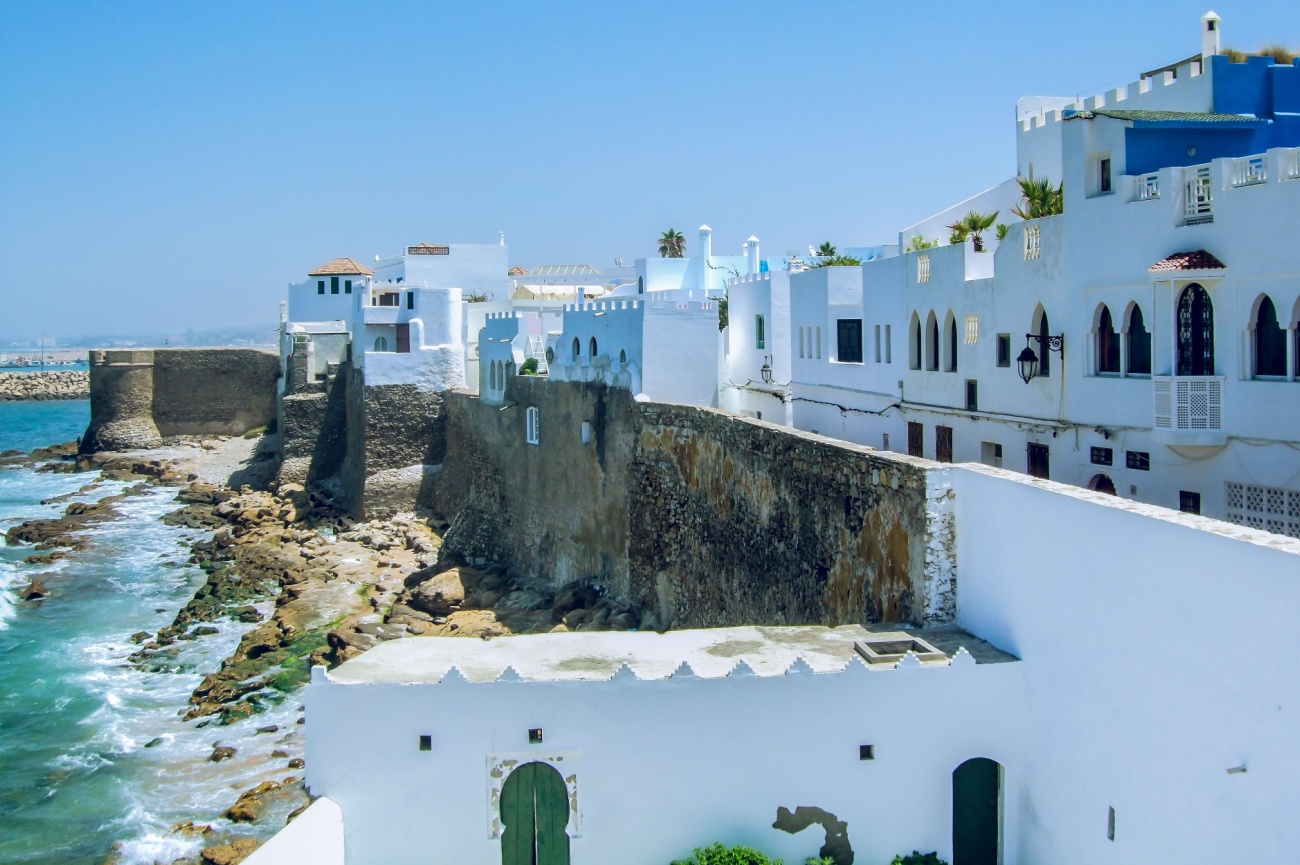
Picture this: whitewashed walls adorned with vibrant murals, the Atlantic Ocean crashing against 15th-century Portuguese ramparts, narrow medina streets where locals still outnumber tourists, and beaches that stretch for miles with barely a footprint in the sand. This is Asilah — a town that has mastered the delicate balance between preserving its authentic character and welcoming curious travelers with open arms.
Located on Morocco’s northern Atlantic coast, Asilah remains wonderfully under the radar despite being just an hour from Tangier. While the rest of Morocco’s tourist trail grows increasingly crowded, this small town continues to pulse with the gentle rhythm of fishing boats, artist studios, and seaside cafés where mint tea tastes better because you’re sipping it without rushing.
If you’re wondering whether Asilah deserves a spot on your Morocco itinerary, let me answer that question definitively: absolutely yes. Here’s everything you need to know about this Moroccan treasure in the north.
Table of Contents
Where is Asilah Located?
Asilah sits on Morocco’s northwestern Atlantic coastline, approximately 46 kilometers (29 miles) south of Tangier. This strategic positioning places it firmly in Morocco’s northern gateway region, making it easily accessible yet refreshingly peaceful compared to its larger neighbors.
The town occupies a prime position where the Atlantic meets the Moroccan coast, creating a stunning backdrop of ocean views against ancient architecture. To the north lies Tangier, Morocco’s historic port city and gateway to Europe. To the south, you’ll find Larache and eventually Rabat, Morocco’s capital. Inland to the east stretches the Rif Mountains.
This location has shaped Asilah’s history for centuries. The Portuguese recognized its strategic value and built the fortifications that still define the town’s character today. Later, Spanish influence left its mark. Today, that layered history creates an architectural and cultural richness that feels distinctly different from southern Moroccan cities.
Getting to Asilah is straightforward from multiple entry points in Morocco, which we’ll cover in detail later. For now, just know that this coastal gem sits perfectly positioned for either a day trip from Tangier or as a peaceful base for exploring northern Morocco.
Why Asilah is Called the Moroccan Treasure
The nickname isn’t marketing hyperbole — Asilah genuinely earns its designation as a Moroccan treasure through a combination of factors that create something special.
The Art Town Phenomenon
Asilah transformed itself into Morocco’s unofficial art capital starting in the 1970s when local leaders and artists established an annual cultural festival. What began as an initiative to revitalize a declining fishing town evolved into something remarkable: a permanent outdoor gallery where murals cover medina walls, changing with each summer’s festival.
Walk through the medina and you’re essentially touring an open-air museum. Geometric patterns blend with figurative art. Social commentary sits alongside pure aesthetic expression. Local and international artists contribute, creating a constantly evolving canvas that makes each visit to Asilah unique.
Pristine Authenticity
Unlike Morocco’s major tourist destinations where persistent vendors and tourist traps have become unavoidable realities, Asilah maintains an authentic, low-key atmosphere. Yes, there are tourism services, but they’re measured and respectful. Locals go about their daily lives — fishing, running small businesses, greeting neighbors — without the performative quality that tourism pressure creates elsewhere.
Architectural Beauty
The Portuguese colonial period (15th-17th centuries) left Asilah with magnificent ramparts and fortifications that create one of Morocco’s most photogenic settings. The medina, though small, is pristine — whitewashed walls, blue-trimmed doors and windows, cobblestone streets, and those ever-present murals.
This isn’t the chaotic, overwhelming medina experience of Fes or Marrakech. Asilah’s medina is intimate, navigable, and genuinely relaxing. You can explore it thoroughly in a few hours, yet you’ll want to return again and again as light changes and new details reveal themselves.
Coastal Serenity
The Atlantic Ocean is Asilah’s constant companion, providing both economic sustenance (fishing remains important) and aesthetic beauty. The sound of waves against the ramparts, the sight of sunset over the water, the fresh seafood pulled from the ocean that morning — these elements infuse Asilah with a coastal peace that inland cities simply cannot replicate.
Things to Do in Asilah
Explore the Medina
The Asilah Medina is the town’s heart and soul, though calling it a medina almost undersells its uniqueness. This is Morocco’s most manageable, relaxed medina — small enough to navigate without stress, beautiful enough to photograph endlessly, and authentic enough to feel genuinely Moroccan.
Enter through one of the main gates and immediately notice the difference from other Moroccan medinas. The streets are clean. The walls are immaculately whitewashed. There’s no aggressive vendor behavior, no fake guides trying to “help” you. Instead, you’ll find art galleries tucked into corners, small cafés serving coffee and pastries, and local shops selling everyday goods alongside tourist crafts.
The murals are impossible to miss. Some are enormous, covering entire building faces. Others are small, intimate pieces in hidden corners. The quality varies — some are clearly professional works, while others feel more spontaneous. Together, they create an atmosphere where art isn’t confined to galleries but spills out into daily life.
Take your time wandering. Duck down side streets. Pause for coffee at rooftop cafés overlooking the ocean. Chat with gallery owners about the upcoming festival. The medina rewards slow exploration rather than rushed tourism.
Visit the Ramparts
Asilah’s Portuguese-era ramparts and fortifications aren’t just historical monuments — they’re living spaces where locals socialize, children play, and visitors gain spectacular views over the Atlantic.
The main rampart walkway follows the ocean-facing walls, providing uninterrupted views of waves crashing against rocks below. This is particularly stunning during sunset when the western sky lights up in shades of orange and pink while the call to prayer echoes from nearby mosques.
The fortifications include several towers and bastions, the most prominent being the Torre de Menagem (Keep Tower). While the interior access varies depending on restoration work, the exterior and surrounding areas are always accessible and photogenic.
Locals treat the ramparts as public space — you’ll see families strolling, couples sitting on the walls, and fishermen trying their luck from the rocks below. Join them. Sit for a while. Watch the ocean. This is Asilah at its most peaceful.
Discover Asilah Beaches
Asilah’s beaches stretch both north and south of the medina, offering something increasingly rare in Mediterranean and Atlantic beach destinations: space, cleanliness, and relative solitude.
Paradise Beach (Plage de Paradis) sits just south of town, accessible by a short walk or quick taxi ride. Despite the tourist-friendly name, it remains genuinely uncrowded outside of August. The sand is clean, the water is refreshing (if chilly — this is the Atlantic), and basic services exist without overwhelming the natural setting.
The main town beach runs along the northern side, more accessible but also busier during summer months. It’s popular with local families and offers a more social beach experience.
What sets Asilah’s beaches apart isn’t dramatic scenery — these aren’t the jaw-dropping coastlines of Thailand or Greece. Instead, it’s their understated beauty and authentic local beach culture. You’ll see Moroccan families enjoying weekends, children playing soccer, vendors selling corn on the cob and fresh fruit. Tourism is present but doesn’t dominate.
Water temperatures are cool even in summer (18-22°C), typical of the Atlantic coast. Come for the atmosphere and long walks rather than tropical swimming.
Art & Murals Festival
The annual Asilah International Cultural Moussem typically runs in July or August (dates vary yearly). This festival transforms the town into an active art scene with exhibitions, performances, music, and most famously, the repainting of murals throughout the medina.
Artists arrive from around the world, whitewash old murals, and create new works. You can watch art emerging in real-time, chat with artists about their process, and experience Asilah at its most vibrant.
Even if you don’t visit during the festival, its impact lasts year-round through the murals left behind. But if you can time your visit with the event, you’ll experience Asilah’s artistic soul at full intensity.
Beyond the official festival, art galleries operate throughout the year, showcasing Moroccan and international artists. The Centre Hassan II des Rencontres Internationales hosts rotating exhibitions in a beautiful historic building.
Best Beaches in Asilah
While Asilah isn’t primarily a beach destination like Agadir or Essaouira, its coastal location offers pleasant beach experiences:
Paradise Beach (Plage de Paradis)
The most popular choice for visitors, located about 2km south of the medina. The beach features golden sand, reasonable cleanliness, and basic facilities including cafés and umbrella rentals during summer. It’s family-friendly and never oppressively crowded outside of August.
Asilah Town Beach
The main beach directly adjacent to the medina on the northern side. Most convenient for quick dips, popular with locals, and offers the unique experience of swimming with the Portuguese ramparts as your backdrop. More social and lively than Paradise Beach.
Briech Beach
Located further south, this beach is wider and less developed. It’s where you go for long walks, solitude, and escaping even Asilah’s modest crowds. Limited facilities but beautiful natural setting.
Las Cuevas Beach
North of town, known for dramatic rock formations and caves (cuevas means caves in Spanish). Less suitable for swimming but excellent for photography and exploration during low tide.
Beach Tips:
- Water is Atlantic-cold even in summer; don’t expect Mediterranean warmth
- Women should wear modest swimwear (one-piece or tankini rather than bikini)
- Beach season runs June through September; outside these months, beaches are windier and emptier
- Bring your own umbrella and supplies for less touristy beaches
- Sunset viewing from any beach is spectacular
Best Time to Visit Asilah
Timing your Asilah visit significantly impacts your experience:
Spring (April-May)
Weather: Pleasant temperatures (18-24°C), minimal rain, wildflowers blooming
Crowds: Very low — excellent for peaceful exploration
Ocean: Cold but refreshing; swimming possible for hardy souls
Pros: Perfect weather for walking, photography, and exploring without crowds
Cons: Some beach facilities may be closed; ocean too cold for extended swimming
Spring is arguably the best time to visit Asilah if you prioritize tranquility and pleasant weather over beach activities. The town feels almost empty, prices are lower, and the coastal setting is beautiful without summer’s intense sun.
Summer (June-August)
Weather: Warm (24-28°C) but cooled by ocean breezes; rarely oppressively hot
Crowds: Highest, especially during August and the art festival
Ocean: Still cool (18-22°C) but swimmable
Pros: Full beach season, art festival, everything open, lively atmosphere
Cons: More expensive, more crowded, need advance booking
Summer brings Asilah to life with the art festival, full beach activities, and social energy. If you want to experience the town at its most vibrant and don’t mind sharing it with others, summer works well. The Atlantic keeps temperatures comfortable compared to inland Morocco.
Fall (September-October)
Weather: Warm early fall (22-26°C), cooling toward November
Crowds: Moderate dropping to low; post-summer calm
Ocean: Warmest water temperatures of the year (20-22°C)
Pros: Great balance of weather, few crowds, warm ocean
Cons: Some tourist services wind down after September
Early fall offers the sweet spot many travelers seek: warm weather, the warmest ocean temperatures, and diminishing crowds. September especially combines summer’s benefits with spring’s tranquility.
Winter (November-March)
Weather: Cool (12-18°C), rainy especially December-February
Crowds: Minimal — you’ll have the town almost to yourself
Ocean: Too cold for swimming
Pros: Absolute peace, rock-bottom prices, authentic local life
Cons: Some accommodation closed, limited beach enjoyment, more rain
Winter appeals to those seeking complete escape and authentic local atmosphere. You’ll experience Asilah as residents live it, without tourism’s influence. However, the weather limits outdoor activities, and some tourist services close.
How to Get to Asilah
From Tangier (46km / 29 miles)
Trainhttps://www.oncf-voyages.ma/: Most convenient option. Trains run regularly from Tangier Ville station to Asilah (30-45 minutes, approximately 20-30 MAD). Trains are comfortable, reliable, and drop you at Asilah’s station just outside the medina.
Grand Taxi: Shared taxis depart from Tangier’s main grand taxi station near the port. They cost around 25-30 MAD per person and leave when full (6 passengers). Faster than trains (30 minutes) but less comfortable.
Private Taxi: Negotiable but expect 250-350 MAD for the whole vehicle. Good option for groups or those with luggage.
Car Rental: The drive is straightforward on good roads following the N1 highway along the coast. Rental cars start around 250 MAD/day from Tangier.
From Rabat (200km / 124 miles)
Train: Direct trains run between Rabat Ville and Asilah (approximately 2.5-3 hours, 80-100 MAD). Several daily departures make this the best option.
Bus: CTM and other companies offer service (3-3.5 hours, 60-80 MAD) but trains are more comfortable.
Private Transfer: Approximately 1,500-2,000 MAD for private car service.
From Casablanca (280km / 174 miles)
Train: Direct service from Casa Voyageurs station to Asilah (approximately 3.5-4 hours, 120-140 MAD). Most convenient option.
Bus: Available but takes longer (4-5 hours).
Driving: About 3 hours on good highways via Rabat.
From Chefchaouen (110km / 68 miles)
No direct transport. You’ll need to connect through Tetouan or Tangier, making this a more complicated journey. Consider hiring a private driver (approximately 800-1,000 MAD) or taking a grand taxi to Tetouan, then another to Asilah.
Transportation Tips
- Book train tickets in advance during summer
- Asilah’s train station is a 10-minute walk from the medina; taxis wait outside
- The town itself is entirely walkable
- No need for local transportation once you arrive
Where to Stay in Asilah
Medina Riads and Guesthouses
Staying inside the medina puts you at the heart of Asilah’s charm. Options range from basic guesthouses to boutique riads with rooftop terraces overlooking the ocean.
Recommended characteristics:
- Whitewashed walls with traditional Moroccan tile work
- Rooftop terraces for sunset views
- Walking distance to ramparts and beaches
- Prices range 300-1,200 MAD per night depending on season and quality
Examples: Dar Azaila, Zelis Hotel, multiple smaller guesthouses advertising through Booking.com or Airbnb.
Modern Hotels
Outside the medina, Asilah has several modern hotels offering more standard amenities like pools, parking, and larger rooms. These work well for families or those seeking contemporary comfort.
Location: Typically along the main road entering town
Price range: 400-1,000 MAD per night
Pros: Parking, pools, modern bathrooms
Cons: Less atmospheric than medina accommodation
Budget Options
Several simple guesthouses and hostels cater to budget travelers, offering basic but clean rooms for 150-400 MAD per night. Reviews vary widely, so research carefully.
Booking Tips
- Summer (especially July-August) requires advance booking
- Spring and fall offer great availability and prices
- Many places close or offer limited service in winter
- Negotiate prices for longer stays
- Rooftop terraces are worth premium for sunset views
Is Asilah Worth Visiting?
This question deserves a nuanced answer because Asilah isn’t for everyone — and that’s actually what makes it special.
You’ll Love Asilah If…
You appreciate art and culture. The murals, galleries, and annual festival create Morocco’s most artistic atmosphere outside of Marrakech’s contemporary art scene.
You’re seeking peace over excitement. Asilah offers the antithesis of Marrakech’s intensity or Tangier’s urban energy. If you need to decompress, Asilah delivers.
You enjoy coastal settings. The Atlantic presence — its sound, smell, and views — defines Asilah’s character. Beach lovers find pleasant (if cool) waters and uncrowded sand.
You want authentic Morocco without tourist hassles. You’ll experience genuine Moroccan culture without aggressive vendors, fake guides, or tourist traps overwhelming the experience.
You’re exploring northern Morocco. Asilah fits perfectly into itineraries connecting Tangier, Chefchaouen, and Tetouan.
Asilah Might Not Suit You If…
You need constant entertainment. Asilah is quiet. There’s no nightlife, limited restaurants, and few organized activities. If you require constant stimulation, you’ll find it slow.
You’re looking for Morocco’s “greatest hits.” There are no grand palaces, famous mosques, or spectacular riads like southern cities offer. Asilah’s beauty is subtler.
You have very limited time. With only 3-4 days in Morocco, prioritize Marrakech, Fes, or the desert. Asilah rewards those with time to slow down.
You want warm-water beach swimming. The Atlantic is cold. If tropical beach experiences are your priority, this isn’t the right destination.
The Verdict
Yes, Asilah is absolutely worth visiting — with the caveat that you should approach it with appropriate expectations. This isn’t a headline destination you build an entire Morocco trip around. Instead, it’s the perfect complement to busier cities, offering respite, artistic inspiration, and coastal beauty.
Ideal itinerary positioning: 1-2 nights when traveling between Tangier and Chefchaouen, or as a peaceful base for exploring northern Morocco. Arrive stressed from Tangier’s port chaos or Marrakech’s intensity, and leave refreshed, inspired, and already planning your return.
Is Asilah Safe for Tourists?
Yes, Asilah is very safe for tourists and arguably one of Morocco’s safest destinations.
Why Asilah Feels Secure
Low crime rates. The town’s small size and tight-knit community create natural security. Serious crime against tourists is virtually nonexistent.
Minimal harassment. Unlike Marrakech or Fes, you won’t face aggressive vendors, fake guides, or constant sales pitches. The tourism industry here is measured and respectful.
Visible community policing. The compact medina and waterfront mean you’re rarely alone, and locals look out for visitors.
Family-friendly atmosphere. Asilah attracts families and older travelers seeking peace, creating a gentle, safe environment.
Normal Precautions
- Don’t leave valuables unattended on beaches
- Use hotel safes for passports and excess cash
- Be aware of your surroundings when walking at night (though this is rarely an issue)
- Respect local customs (modest dress, especially for women)
- Keep some cash on hand as not all places accept cards
Special Considerations for Women
Solo female travelers report very positive experiences in Asilah. The town’s artistic, educated atmosphere and family-oriented tourism create a respectful environment. That said, apply standard Morocco advice:
- Dress modestly (covered shoulders and knees minimum)
- Avoid isolated beach areas alone
- Stay in well-reviewed accommodations
- Most attention will be curious rather than aggressive
Asilah feels significantly more comfortable for solo female travelers than larger Moroccan cities.
Travel Tips for Visiting Asilah
Cultural Considerations
Dress modestly. This applies throughout Morocco but Asilah, despite its artistic vibe, remains conservative. Cover shoulders and knees. On beaches, one-piece swimsuits or tankinis are more appropriate than bikinis.
Friday is the holy day. Some shops close, and mosques are particularly active. Respect prayer times and avoid loud behavior near mosques.
Learn basic Arabic/French phrases. English is limited outside of tourist-focused businesses. “Shukran” (thank you) and “Salam alaikum” (peace be upon you) go a long way.
Ramadan impacts service. If visiting during Ramadan, restaurants may have limited hours, and eating/drinking publicly during daylight is disrespectful.
Practical Advice
Bring cash. Small shops, restaurants, and many hotels don’t accept cards. ATMs exist but may run out during busy periods.
Walking shoes essential. Cobblestone streets make comfortable shoes necessary.
Sunscreen and hat. The Atlantic sun is strong even when temperatures feel moderate.
Seafood is the star. Don’t leave without trying fresh fish at harbor-side restaurants.
Learn the art festival dates. If you want to experience it (or avoid crowds), check annual dates before booking.
Photography etiquette. Always ask before photographing people. The murals are fair game.
Budget Guidelines
Budget Travel: 350-500 MAD/day (basic accommodation, street food, limited activities)
Mid-Range: 700-1,200 MAD/day (decent riad, restaurant meals, occasional taxi)
Comfortable: 1,500+ MAD/day (nice accommodation, all restaurants, private transport)
Asilah is more affordable than Marrakech or Fes, making it excellent value for authentic Moroccan coastal experience.
Frequently Asked Questions
How long should I spend in Asilah?
1-2 nights is ideal for most travelers. One full day allows thorough medina exploration, rampart walks, and beach time. A second day lets you slow down, revisit favorites, or take a relaxed beach day. More than 2 nights works if you’re using Asilah as a peaceful base or truly want to disconnect.
Can I visit Asilah as a day trip from Tangier?
Yes, absolutely. The 45-minute train ride makes day-tripping easy. You can see the main attractions in 4-6 hours. However, Asilah’s magic really emerges during slower exploration and evening atmosphere staying overnight is worthwhile if your schedule permits.
What language is spoken in Asilah?
Moroccan Arabic (Darija) and French are primary languages. Spanish has historical influence and some older residents speak it. English is limited to tourism-focused businesses. Basic French phrases will serve you well.
Are there good restaurants in Asilah?
Yes, particularly for seafood. Harbor-front restaurants serve fresh fish grilled or in tagines. The medina has several cafés offering Moroccan standards. Options are fewer than major cities but quality is generally good. Casa Garcia, Port XIV, and La Place are popular choices.
Is Asilah better than Essaouira?
Different rather than better. Essaouira is larger, has more infrastructure, stronger winds (popular with kitesurfers), and more established tourism. Asilah is smaller, quieter, more artistic, and less touristy. Choose Essaouira for variety and activities; choose Asilah for peace and art.
Can I swim in Asilah’s ocean year-round?
Technically yes, but comfortably only June through October. The Atlantic is cold — 16-22°C depending on season. September often has the warmest water. Outside summer, swimming is brief and bracing rather than leisurely.
Conclusion
Asilah remains one of Morocco’s most delightful surprises — a place that hasn’t sacrificed its soul to tourism yet welcomes travelers with genuine warmth. From its mural-covered medina to its Portuguese ramparts, from its uncrowded beaches to its sunset views over the Atlantic, this northern treasure offers something increasingly precious: authenticity without pretense, beauty without crowds, and peace without boredom.
Whether you’re building a comprehensive Morocco itinerary or simply seeking a weekend escape from the intensity of larger cities, Asilah deserves consideration. It won’t overwhelm you with grand monuments or exhaust you with endless attractions. Instead, it invites you to slow down, appreciate subtlety, and remember that sometimes the best travel experiences come from places that whisper rather than shout.
Pack your walking shoes, bring your camera, and prepare for Morocco’s most peaceful coastal escape. Asilah is waiting with whitewashed walls, crashing waves, and that perfect cup of mint tea overlooking the ocean.
Your Moroccan treasure awaits in the north.