
Now I’ll create the comprehensive safety guide blog post:
If you’re asking yourself “Is Morocco safe for tourists?” you’re not alone. It’s one of the most common questions travelers ask before booking their North African adventure, and it’s a smart question to consider. The short answer? Yes, Morocco is generally safe for tourists and has been welcoming millions of international visitors successfully for decades.
Morocco ranks among the safest destinations in North Africa and compares favorably with many popular European travel spots when it comes to tourist safety. The country has invested heavily in tourism infrastructure, maintains a visible security presence in tourist areas, and prides itself on a deep cultural tradition of hospitality. Crime rates targeting tourists remain relatively low, and violent crime against visitors is rare.
That said, like any destination in the world, Morocco requires a certain level of awareness and common sense. Petty theft, tourist scams, and cultural misunderstandings can occur, particularly in crowded medinas and popular tourist zones. Understanding the local context, knowing what to expect, and following practical safety guidelines will ensure your Moroccan adventure is as secure as it is memorable.
This comprehensive guide covers everything you need to know about staying safe in Morocco — from navigating major cities to avoiding common scams, from solo travel considerations to health precautions. Let’s dive in.
Table of Contents
Is Morocco Safe for Tourists Compared to Other Destinations?
Global Safety Rankings
Morocco consistently performs well in international safety assessments for tourists. While no country is entirely risk-free, Morocco’s tourism safety record stands up favorably when compared to many Western European destinations experiencing their own challenges with pickpocketing and tourist-targeted crime.
The country benefits from a stable government that prioritizes tourism as a crucial economic sector. This translates to well-maintained tourist infrastructure, professional tourism police (the “Brigade Touristique”), and ongoing investment in making popular destinations safer and more welcoming.
Crime Statistics
Violent crime against tourists in Morocco remains exceptionally rare. The most common issues travelers face are non-violent: pickpocketing in crowded spaces, taxi overcharging, persistent vendors, and occasional scam attempts. These are nuisances rather than serious threats, and they’re easily managed with basic precautions.
According to tourism industry data, Morocco welcomes over 13 million international visitors annually, with the vast majority reporting positive, incident-free experiences. The country has worked hard to maintain this reputation, knowing that tourism success depends on visitor safety and satisfaction.
Regional Context
Within North Africa, Morocco stands out as particularly tourist-friendly. The country’s long history of welcoming international visitors, combined with political stability and a moderate Islamic culture, creates an environment where travelers feel comfortable and secure. Compared to some European cities facing elevated pickpocketing rates and tourist crime, Morocco’s track record is competitive.
Tourism Infrastructure
Morocco’s commitment to tourism safety is visible in practical ways: tourist police stationed at major attractions, well-lit tourist districts, licensed guides and taxis, and hospitality staff trained to assist international visitors. This infrastructure makes navigating the country significantly easier and safer than it might have been two or three decades ago.
Safety in Major Tourist Cities
Is Marrakech Safe for Tourists?
Marrakech is safe for tourists, but it’s also where you’ll need to be most alert to petty scams and aggressive vendors.
The city welcomes more international visitors than anywhere else in Morocco, which has both positive and negative implications. On the positive side, there’s excellent tourism infrastructure, tourism police presence, and countless accommodations and restaurants accustomed to serving international guests. The city genuinely wants you to have a good experience.
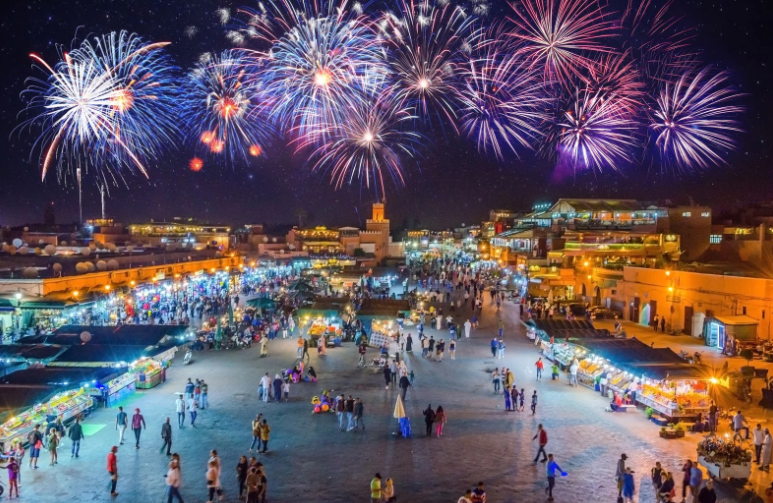
The flip side is that Marrakech’s tourist areas — particularly Djemaa el Fna square and the surrounding souks — can feel overwhelming. Fake guides will offer assistance, vendors can be persistent, and pickpockets occasionally work crowded areas. None of this should deter you from visiting, but it does mean staying aware of your surroundings.
Safety tips for Marrakech:
- Stay alert in Djemaa el Fna, especially at night when it’s most crowded
- Keep valuables secure and avoid displaying expensive jewelry or electronics
- Politely but firmly decline unsolicited “guide” offers
- Use official taxis or apps like Careem (Morocco’s Uber equivalent)
- Stick to well-lit, populated areas after dark
- Book accommodations in recommended neighborhoods: Medina riads, Gueliz, or Hivernage
Violent crime against tourists in Marrakech is extremely rare. The issues you’re likely to encounter are annoyances rather than dangers.
Is Fes Safe for Visitors?
Fes is generally very safe and often feels calmer than Marrakech despite having an even more labyrinthine medina.
The Fes medina is the world’s largest car-free urban zone, which immediately eliminates traffic-related risks. The city’s tourism economy is significant but less overwhelming than Marrakech’s, often resulting in a more authentic, less aggressive experience.
Getting lost in the Fes medina is essentially guaranteed — the maze of alleys, dead ends, and winding passages defeats even experienced navigators. Rather than a safety issue, this is simply part of the experience. Locals are generally helpful in providing directions, though hiring an official guide for your first day is highly recommended.
Safety considerations for Fes:
- The medina can be disorienting; download offline maps
- Stay aware of motorcycles and donkeys navigating narrow alleys
- Tourist police patrol the main medina routes
- Pickpocketing is less common than in Marrakech but still possible
- Avoid isolated areas after dark
- The Ville Nouvelle (new city) is very safe and modern
Is Casablanca Safe?
Casablanca is safe for tourists, though it’s worth noting it’s less touristy and more of a working business city.
As Morocco’s largest city and economic capital, Casablanca has a different energy than Marrakech or Fes. It’s more cosmopolitan, more modern, and less focused on tourism. This can actually work in your favor — there are fewer tourist scams and less aggressive vendor behavior.
The Hassan II Mosque area, the Corniche waterfront, and the Habous Quarter are all perfectly safe during daylight hours. As with any major city, exercise normal urban caution: avoid displaying wealth, stay aware of your surroundings, and don’t walk alone in unfamiliar neighborhoods late at night.
Casablanca safety notes:
- Use official taxis or ride-hailing apps
- The central areas are well-policed and safe
- Some outer neighborhoods are best avoided after dark
- Petty theft can occur in crowded areas
- The city feels more like Barcelona or Marseille than traditional Morocco
Is Taghazout and Agadir Safe?
Both Taghazout and Agadir are very safe, with particularly relaxed, beach-town vibes.
Agadir is a modern resort city that was rebuilt after a devastating 1960 earthquake. It’s clean, well-organized, and designed with tourism in mind. The beachfront promenade, restaurants, and hotels all maintain high safety standards.
Taghazout has evolved from a tiny fishing village into a surf mecca while retaining much of its laid-back charm. The international surf community means this small town has a cosmopolitan feel despite its size. Both locals and long-term expats contribute to a welcoming, safe atmosphere.
Coastal safety highlights:
- Beach areas are well-monitored
- Surf camps and accommodations are accustomed to international guests
- Petty theft is rare but not impossible
- Roads between towns can be winding; drive carefully
- Swimming safety: respect red flags and local warnings about currents
Common Tourist Scams in Morocco (And How to Avoid Them)
Understanding common scams is your best defense. Here’s what to watch for:
Fake Guides in Medinas
The scam: Someone approaches you offering to “help” you find your riad, navigate the medina, or locate a specific shop. After accompanying you, they demand payment or lead you to shops where they earn commission.
How to avoid it: Politely but firmly decline all unsolicited help. Say “No, thank you” repeatedly if needed. If you genuinely need directions, ask shopkeepers or restaurant staff. If you want a guide, hire an official one through your accommodation or the tourism office.
Taxi Overcharging
The scam: Taxi drivers claim the meter is broken, quote inflated flat rates, or take unnecessarily long routes to increase the fare.
How to avoid it: Always insist on using the meter (“le compteur, s’il vous plaît”). Know approximate fair prices for common routes. Use apps like Careem when available. For longer trips or day tours, agree on a fixed price before departing and get it in writing if the amount is substantial.
Henna “Gifts”
The scam: Women (sometimes men) offer to apply “free” henna designs, then demand aggressive payment afterward, often claiming you agreed to a high price.
How to avoid it: Decline politely but firmly. If you genuinely want henna, seek it out yourself at a shop where prices are displayed, never accept “free” offers from people approaching you on the street.
The Closed Tannery/Shop/Restaurant
The scam: A “helpful” local tells you the place you’re looking for is closed today, but they know somewhere better/open/cheaper. They lead you to a shop where they earn commission.
How to avoid it: Verify information yourself. If someone claims something is closed, walk there anyway to confirm. Trust your booked accommodation or restaurant over random street advice.
Street Distractions
The scam: Someone distracts you (spilling something on you, creating a scene, offering to take your photo) while an accomplice pickpockets you.
How to avoid it: Stay aware in crowded areas. Keep bags zipped and in front of you. Don’t let strangers get too close. Be particularly cautious during the chaos of Djemaa el Fna at night.
Practical Prevention Summary
- Be polite but assertive in declining unwanted offers
- Walk with confidence, even if you’re lost
- Keep valuables in inside pockets or money belts
- Don’t flash expensive cameras, jewelry, or large amounts of cash
- Trust your instincts — if something feels off, remove yourself from the situation
Is Morocco Safe for Solo Travelers?
Solo Male Travelers
Morocco is very safe for solo male travelers. You’ll find it easy to navigate, with plenty of other solo travelers and hospitable locals. The main challenges are the same ones any tourist faces: potential scams, navigation in medinas, and language barriers.
Solo men should still exercise normal precautions — don’t walk alone in isolated areas late at night, keep valuables secure, and stay alert in crowded tourist zones. But overall, you’ll likely find Morocco welcoming and straightforward.
Solo Female Travelers
Morocco is safe for solo female travelers, but requires more awareness and preparation than some destinations.
Many women travel Morocco solo successfully and have wonderful experiences. However, solo female travelers do face more attention than solo males or couples. This can range from persistent marriage proposals and catcalling to more uncomfortable harassment in some situations.
Key strategies for solo female travelers:
- Dress modestly (covered shoulders and knees minimum; loose-fitting clothing ideal)
- Wear sunglasses to avoid extended eye contact, which can be misinterpreted
- Walk confidently and purposefully
- Consider wearing a fake wedding ring and mentioning your “husband”
- Stay in well-reviewed riads with good solo female traveler feedback
- Join group tours or activities to meet other travelers
- Avoid isolated areas, especially after dark
- Trust your instincts — if a situation feels uncomfortable, remove yourself
Most harassment in Morocco is verbal rather than physical, and violence against female tourists is extremely rare. That said, the constant low-level attention can be exhausting. Many solo female travelers find that after a few days, they develop effective strategies for managing it.
Digital Nomads
Morocco is increasingly popular with digital nomads and generally safe for this community. Cities like Marrakech, Taghazout, and even Chefchaouen have developed coworking spaces and cafés with reliable wifi.
Security concerns for digital nomads mirror those of any traveler: protect your electronics, use VPNs for public wifi, and ensure your accommodation has secure storage. Morocco’s growing nomad community means plenty of advice and support from experienced remote workers already based there.
Backpackers
Morocco is backpacker-friendly and safe for budget travelers. The country has a well-established backpacker trail with hostels, cheap eats, and reliable transportation connecting major destinations.
Budget accommodation safety varies — read recent reviews carefully and prioritize places with good security (lockers, key card access, etc.). Night buses and trains are generally safe, though keep valuables on your person rather than in overhead storage.
Is Morocco Safe for Women?
This deserves its own section given how often women specifically ask about safety.
Cultural Context
Morocco is a moderate Islamic country where gender segregation is less strict than in some Muslim-majority nations, but more present than in Western countries. Women are visible in public life, work, and social spaces, but conservative attitudes about gender remain stronger than what many Western travelers are accustomed to.
Understanding this context helps set realistic expectations. The attention women receive — particularly blonde or obviously foreign women — comes partially from curiosity, partially from dated attitudes about Western women, and occasionally from genuine romantic interest expressed clumsily.
Realistic Expectations
What to expect:
- Stares, especially in less touristy areas
- Comments, catcalls, or marriage proposals
- Vendors being more persistent with women
- Men attempting conversation or asking for phone numbers
- Occasional following in medinas or streets
What is NOT typical:
- Physical assault (extremely rare)
- Aggressive physical contact (if this occurs, make a loud scene)
- Serious stalking beyond a block or two
Harassment Prevention Strategies
Dress Code:
- Cover shoulders and knees at minimum
- Loose-fitting clothing reduces attention
- Long skirts/pants and lightweight long sleeves work well
- Scarves are useful but not required
- In coastal resort areas like Agadir, modest beachwear is acceptable
Body Language:
- Walk with purpose and confidence
- Minimize eye contact with men on the street
- Sunglasses help avoid perceived invitations
- Headphones (even if not playing music) signal you’re not open to conversation
Verbal Responses:
- “La, shukran” (No, thank you) — firm but polite
- Ignore persistent attention rather than engaging
- Don’t explain or justify your refusals
- If someone follows, enter a shop and ask staff for help
Accommodation:
- Choose riads/hotels in safe neighborhoods
- Read reviews from other solo female travelers
- Ensure your room has a secure lock
- Get your accommodation to call taxis for you
Safe Neighborhoods by City:
- Marrakech: Medina riads (central areas), Gueliz, Hivernage
- Fes: Medina near Bab Boujloud, Ville Nouvelle
- Chefchaouen: Most areas are safe; the whole town is small and walkable
- Essaouira: Medina and beach areas
The Reality Check
Many women travel Morocco and absolutely love it. Others find the constant attention exhausting and wouldn’t return. Your experience will depend on your personality, confidence level, appearance (unfortunately, blonde women report more harassment), and which areas you visit.
Small towns and rural areas tend to be more conservative. Marrakech and Fes receive enough female tourists that locals are somewhat desensitized. Coastal towns like Essaouira and Taghazout are generally more relaxed.
If this is your first time traveling in a Muslim-majority country, or if constant attention wears you down quickly, consider joining group tours for at least part of your trip. Having male companions (even new friends from your tour or hostel) significantly reduces unwanted attention.
Health & Medical Safety in Morocco
Food Safety
Moroccan cuisine is generally safe, but digestive issues affect many travelers adapting to new foods and water.
Safe eating practices:
- Eat at busy restaurants where food turnover is high
- Street food from popular vendors is usually fine
- Avoid raw vegetables that may have been washed in tap water
- Peel fruits yourself
- Ensure meat is thoroughly cooked
- Avoid dairy products if unsure of refrigeration
Most travelers experience mild digestive upset during the first few days — this is normal adjustment, not necessarily food poisoning. Pack anti-diarrheal medication (Imodium) and oral rehydration salts just in case.
Tap Water
Do not drink tap water in Morocco. This is non-negotiable.
Stick to bottled water, which is widely available and inexpensive. Use bottled water for brushing teeth as well. Ice in tourist restaurants is usually made from bottled water, but if unsure, order drinks without ice.
Travel Insurance
Comprehensive travel insurance is essential. Morocco’s healthcare varies significantly between major cities (where modern private hospitals offer good care) and rural areas (where facilities may be basic).
Your insurance should cover:
- Medical treatment and hospitalization
- Emergency evacuation
- Lost or stolen belongings
- Trip cancellation/interruption
Medical costs in Morocco are relatively low compared to Western countries, but serious injuries or illnesses requiring evacuation can be extremely expensive without insurance.
Hospitals in Major Cities
Marrakech:
- Polyclinique du Sud (private, good quality)
- Clinique Internationale Marrakech
Casablanca:
- Clinique Bellevue (private, excellent)
- Clinique Bel Air
Fes:
- Clinique Mère-Enfant
Private clinics offer significantly better care than public hospitals and are still affordable by Western standards. Staff at tourist hotels can help arrange medical care if needed.
Vaccinations
Check CDC or WHO recommendations for Morocco. Generally suggested:
- Routine vaccinations (MMR, etc.)
- Hepatitis A
- Typhoid (especially if visiting rural areas)
- Hepatitis B (for longer stays)
- Rabies (if you’ll be in contact with animals)
Sun Safety
Morocco’s sun is intense, particularly in the desert and high Atlas Mountains. Sunburn and heat exhaustion are real risks.
Protect yourself:
- Use high SPF sunscreen daily
- Wear hats and sunglasses
- Stay hydrated (bottled water only)
- Avoid midday sun during summer months
- Cover up with lightweight, breathable fabrics
Transportation Safety
Trains
Moroccan trains are safe and reliable. ONCF (the national railway) operates modern trains connecting major cities including Casablanca, Rabat, Marrakech, Fes, and Tangier.
Safety tips:
- First class is worth the small upcharge for comfort and security
- Keep valuables with you, not in overhead storage
- Night trains are generally safe but remain aware
- Purchase tickets from official stations or the ONCF website
The Al Boraq high-speed train between Casablanca and Tangier is particularly modern and secure.
Buses
CTM and Supratours are safe, reliable bus companies for intercity travel.
These major operators maintain good safety standards, with punctual schedules and decent comfort levels. Smaller, independent bus companies vary more in quality and safety — stick with the major names when possible.
Bus safety:
- Book through CTM or Supratours
- Keep valuables on your person
- Night buses are generally safe but tiring
- Bags stored underneath are normally secure but keep valuables with you
Taxis
Petit taxis (small taxis) and grand taxis (shared long-distance taxis) are safe but require vigilance about pricing.
Petit taxi tips:
- Insist on the meter (“compteur”)
- They legally can only take up to 3 passengers
- Fares are low (rarely more than a few dollars within cities)
- After 8 PM, a 50% surcharge applies
- Use Careem app when available for transparent pricing
Grand taxi considerations:
- These shared taxis run fixed routes between cities
- Negotiate price before entering
- They leave when full (6 passengers)
- You can pay for empty seats for more comfort/privacy
- Generally safe but aging vehicles can be concerning
Car Rental
Renting a car in Morocco is safe if you’re a confident driver.
Road conditions vary from excellent highways to challenging mountain passes. Driving in Morocco requires defensive driving skills.
Driving safety:
- Roads are generally in good condition near tourist areas
- Mountain roads can be winding with steep drop-offs
- Watch for livestock, pedestrians, and motorcycles
- Parking scams exist (unofficial “guardians” demanding payment)
- International driving permits are officially required
- Avoid driving at night outside cities
- GPS is essential for navigation
Desert Tours
Desert tours are generally safe when booked through reputable operators.
Whether visiting the Sahara near Merzouga or the Agafay Desert near Marrakech, tour operators have years of experience and know the terrain well.
Desert tour safety:
- Book through licensed operators with good reviews
- Ensure vehicles are well-maintained
- Bring sunscreen, hat, and plenty of water
- Follow guide instructions
- Night-time desert cold requires warm layers
- Camel rides are generally safe though uncomfortable
Areas to Be More Careful In
Isolated Areas at Night
Like anywhere in the world, avoid walking alone in isolated areas after dark. This applies to:
- Empty medina alleyways late at night
- Unlit streets in any neighborhood
- Parks and beaches after dark
- Desert areas without guides
Stick to well-lit, populated areas. If you must travel at night, use official taxis or ride-hailing apps.
Non-Tourist Neighborhoods
Residential neighborhoods outside tourist zones aren’t necessarily dangerous, but they lack tourist infrastructure and may feel uncomfortable.
You’re unlikely to find English speakers, and your presence may attract curious attention. There’s rarely a reason to venture into these areas anyway, but if you do, go during daylight and dress conservatively.
Remote Mountain and Desert Zones
Do not venture into remote desert or mountain areas without proper guides and equipment.
People die in the Sahara and Atlas Mountains when they underestimate the environment. Extreme temperatures, lack of water, and isolation make these areas legitimately dangerous without proper preparation.
Stick to organized tours with experienced guides for desert and mountain adventures. This isn’t about crime — it’s about environmental hazards.
Practical Safety Tips for Tourists Visiting Morocco
Dress Modestly
This cannot be overstated. Modest dress reduces unwanted attention and shows respect for local culture.
For women:
- Shoulders and knees covered at minimum
- Loose-fitting clothing over tight clothes
- Lightweight long sleeves and pants work well
- Maxi skirts/dresses are excellent
- In beach towns, modest swimwear is acceptable at beaches/pools
For men:
- Long pants are respectful (shorts acceptable in beach areas)
- T-shirts are fine
- Remove shoes when entering homes/mosques
Walk Confidently
Project confidence even when lost. Hesitation and uncertainty make you a target for scammers and aggressive vendors.
Walk with purpose, make decisive turns (even if they’re wrong), and avoid looking at maps constantly. Duck into a café to check directions rather than standing confused on a street corner.
Use Licensed Guides
Official guides wear badges and have legitimate credentials. They’re worth hiring for complex medinas like Fes, historical sites like Volubilis, and desert/mountain excursions.
Book guides through your accommodation, official tourism offices, or reputable tour companies. Unofficial “guides” create headaches and provide dubious information.
Keep Valuables Secure
Basic security precautions apply:
- Use hotel safes for passports, extra cash, and valuable electronics
- Carry minimal cash and one credit card when out
- Money belts or neck pouches worn under clothing work well
- Front pockets are safer than back pockets
- Keep bags zipped and in front of you
- Don’t display expensive jewelry, watches, or electronics
- Travel insurance should cover theft
Emergency Numbers
Important numbers for Morocco:
- Police: 19
- Tourist Police: 0530-165028 (Marrakech)
- Ambulance: 15
- Fire: 15
Save your country’s embassy contact information:
- U.S. Embassy Rabat: +212-537-637-200
- British Embassy Rabat: +212-537-633-333
- Canadian Embassy Rabat: +212-537-687-400
Hotel staff can also help in emergencies and will know local resources.
Frequently Asked Questions
Is Morocco safe for American tourists?
Yes, Morocco is safe for American tourists. Morocco maintains friendly relations with the United States, and Americans visit in large numbers annually without incident. The main considerations are the same as for any tourist: petty theft prevention, scam awareness, and cultural sensitivity.
Some Americans worry about anti-American sentiment — this is rarely an issue. Moroccans distinguish between governments and individual people, and most interactions are warm and hospitable.
Is Morocco safe for European travelers?
Absolutely. Morocco is one of the most popular destinations for European tourists, particularly from France, Spain, UK, and Germany. Proximity makes Morocco an easy and popular getaway, with millions of Europeans visiting annually.
The cultural gap may feel smaller for Europeans, especially those from Mediterranean countries, but safety considerations remain the same for all Western tourists.
Is Morocco safe at night?
Morocco is reasonably safe at night, with appropriate precautions. Major tourist areas remain active after dark, especially places like Djemaa el Fna in Marrakech.
Night safety guidelines:
- Stick to well-lit, populated areas
- Travel in groups when possible
- Use official taxis or ride-hailing apps rather than walking
- Avoid empty medina alleys
- Women should take extra precautions
- Restaurants and cafés are generally safe until closing time
Is Morocco safe for families?
Yes, Morocco is safe for families with children. Moroccan culture adores children, and traveling with kids often enhances your experience, opening doors to warmer interactions with locals.
Family travel tips:
- Children should also dress modestly
- Be cautious about food and water for sensitive stomachs
- Bring sunscreen and sun protection
- Riads may have unguarded courtyards/rooftops — watch young children
- Traffic in cities requires vigilance
- Consider private guides/drivers for convenience
- Many hotels offer family rooms
Children make you less of a target for scams and unwanted attention, particularly if traveling as a couple with kids.
Is Morocco safe during Ramadan?
Morocco is safe during Ramadan, though the atmosphere changes. During this holy month when Muslims fast from dawn to sunset, restaurants may be closed during daylight hours, and the pace of life slows.
Ramadan travel considerations:
- Tourist restaurants often remain open but may have limited hours
- Respect fasting locals by not eating/drinking publicly during daylight
- Evenings become more festive after breaking fast
- Travel may be slower due to reduced working hours
- Hotels continue normal service
- Some travelers find it a fascinating cultural experience
If you’re flexible and respectful, Ramadan can be an interesting time to visit.
Is Morocco safe for LGBTQ travelers?
This is complex. Homosexuality is technically illegal in Morocco, carrying potential prison sentences. In practice, prosecutions of tourists are extremely rare, but LGBTQ travelers should exercise significant caution.
Practical advice:
- Avoid public displays of affection (this applies to all couples)
- Don’t discuss sexual orientation openly
- Dating apps can be risky — users may extort or harm LGBTQ people
- Major cities like Marrakech and Casablanca have underground LGBTQ communities
- Tourist hotels won’t question two people of the same gender sharing a room
- Many LGBTQ travelers visit Morocco without incident by being discreet
The reality is that many LGBTQ travelers successfully and safely visit Morocco, but the legal situation creates risk. Each traveler must assess their own comfort level with necessary discretion.
Conclusion
So, is Morocco safe for tourists? Yes — with the awareness and common sense you’d apply anywhere in the world.
Morocco welcomes you with genuine hospitality, spectacular landscapes, vibrant culture, and experiences you’ll remember for a lifetime. The country has built its tourism success on ensuring visitors feel safe and welcomed, and the vast majority of travelers return home with nothing but positive memories and perhaps a newfound love of mint tea.
The scams and hassles that exist are manageable nuisances, not serious dangers. Violent crime against tourists is rare. Health infrastructure in major cities is good. Transportation is generally reliable. And Moroccans themselves are largely friendly, helpful people who take pride in their country and want you to experience the best of it.
Travel responsibly: dress modestly, respect local customs, stay aware of your surroundings, secure your valuables, and approach the experience with cultural sensitivity. Morocco rewards travelers who come with open minds and respectful attitudes.
If you’re still planning your Moroccan adventure, explore these comprehensive guides:
- Tourism in Marrakech: Complete Guide to Morocco’s Red City
- Surfing in Morocco: Ultimate Wave & Travel Guide
- 10-Day Morocco Itinerary: Perfect First-Time Route
Morocco is waiting. Pack your bags, book your riad, and get ready for an adventure that’s as safe as it is unforgettable. See you in the souks!