


Table of Contents
The Ultimate Morocco Surf Guide: 11 Best Spots for 2026
Surfing in Morocco offers something that few destinations on Earth can match: world-class waves that rival the legendary breaks of Indonesia and California, but at a fraction of the cost. With 320 days of rideable surf annually, 1,800 miles of Atlantic coastline, and some of the world’s most revered right-hand point breaks, Morocco has firmly established itself as a global surf mecca.
I’ve spent over a decade instructing and exploring Morocco’s surf coast, from the legendary barrels of Anchor Point to the endless peelers of Imsouane. This Morocco surf travel guide draws from years of local experience, helping you navigate the best spots, optimal seasons, and insider secrets that transform a good surf trip into an unforgettable one.
Whether you’re chasing hollow tubes, perfecting your longboard style, or catching your first green wave, this comprehensive guide covers everything you need to plan your 2026 Morocco surf adventure.
1. Choosing Your Base: The Best Morocco Surf Towns
Selecting the right base determines your entire Morocco surf experience. Each coastal town offers distinct vibes, wave quality, and amenities. Here’s how to choose your perfect home base for surfing in Morocco.
Taghazout: The Surfing Mecca
Taghazout boasts the highest density of world-class breaks on Morocco’s coast. This former fishing village has evolved into the epicenter of Moroccan surf culture, offering convenient access to legendary spots like Anchor Point, Killer Point, and Hash Point—all within a 15-minute radius.
The town’s infrastructure caters perfectly to surfers, with surf shops, board rentals, yoga studios, and international cafes lining the streets. While gentrification has shifted some of the authentic charm, the wave quality remains uncompromised. Expect crowds during peak season, but the variety of breaks means you’ll always find a wave.
Imsouane: The Magical Fishing Village

Imsouane holds a special place in every longboarder’s heart as home to Africa’s longest wave. The Bay offers rides that can stretch beyond two minutes, creating an almost meditative surfing experience as you carve across perfect peeling walls.
This slower-paced village maintains its authentic fishing culture while welcoming surfers with open arms. The vibe remains decidedly more laid-back than Taghazout, attracting those seeking progression over party scenes. The Cathedral, Imsouane’s faster sister wave, challenges intermediate surfers with steeper, more critical sections.
Tamraght: The Laid-Back Alternative
Situated just south of Taghazout, Tamraght offers a quieter, more authentic Moroccan experience without sacrificing wave access. Local families still dominate the village center, creating a more genuine cultural immersion than its touristy neighbor.
Devil’s Rock, Tamraght’s premier break, delivers performance-oriented walls perfect for practicing turns and building intermediate skills. The village’s affordability and relaxed atmosphere appeal to surfers planning extended stays or those traveling on tighter budgets.
Essaouira & Sidi Kaouki: Bohemian Beach Culture
Essaouira’s fortified medina and artistic soul attract a different breed of traveler. The surf here works best for beginners, with mellow beach breaks that provide ideal learning conditions. Strong afternoon winds often shut down surfing but create perfect kitesurfing conditions.
Nearby Sidi Kaouki offers a more remote beach experience with consistent beginner waves and fewer crowds. The bohemian cafes and artist community create a unique cultural blend that sets this region apart from the dedicated surf towns further south.
Dakhla: Where Desert Meets Atlantic
For those seeking adventure beyond Morocco’s main surf coast, Dakhla delivers an otherworldly experience. Located where the Sahara meets the Atlantic, this remote peninsula offers uncrowded waves and world-class kitesurfing. The journey requires commitment—either a long drive or domestic flight—but rewards adventurous surfers with pristine conditions and stunning desert-ocean landscapes.
2. The 2026 Morocco Surf Calendar: When to Go
Timing your Morocco surf trip properly means the difference between scoring perfect barrels and battling closeouts. Here’s how to plan around Morocco’s distinct surf seasons.
Peak Season (October – April): The Firing Months
North Atlantic winter swells transform Morocco’s coast into a performance arena during these months. Consistent groundswells arrive every 3-5 days, delivering overhead waves that light up the region’s famous point breaks. Anchor Point, Killer Point, and Boilers all reach their full potential during this window.
Intermediate to advanced surfers will find these months most rewarding. Wave faces range from shoulder to double-overhead, with powerful walls demanding solid technique and wave knowledge. Crowds peak from December through February, particularly around holidays when European surfers flood the coast. Book accommodations well in advance if traveling during this period.
Shoulder Season (May & September): The Secret Favorite
Experienced travelers increasingly target these transitional months. Wave heights moderate to more manageable chest-to-head-high ranges, while crowds thin significantly. Water temperatures rise into the comfortable zone, and Morocco’s legendary sun begins warming the air.
May particularly shines as an underrated gem. The tail end of the swell season still delivers solid waves, but with half the crowds of winter months. September marks the season’s beginning, building gradually toward October’s consistency. Both months offer exceptional value for all ability levels.
Beginner Season (June – August): Learning Conditions
Summer transforms Morocco’s surf coast into an ideal learning environment. Swells diminish to gentle 1-3 foot waves, perfect for mastering pop-ups and building confidence. Water temperatures peak at their warmest, allowing comfortable sessions in just a springsuit or shorty.
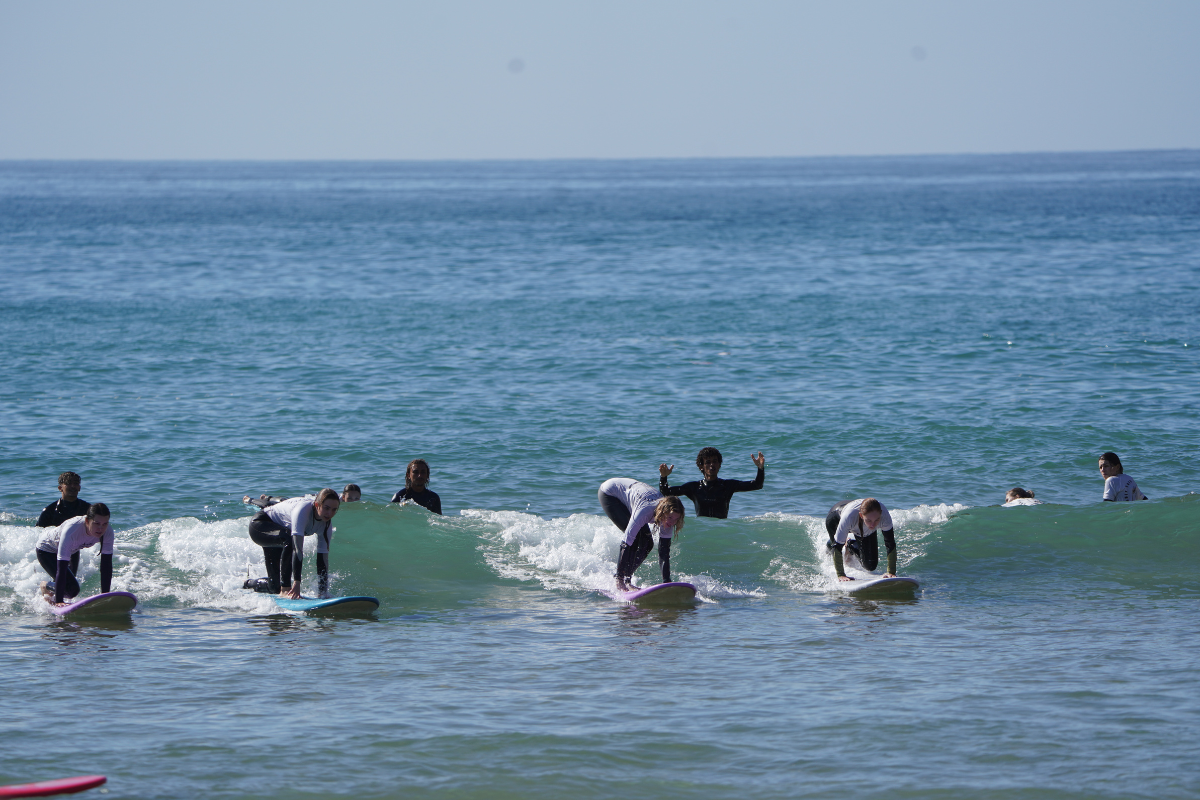
Surf schools operate at full capacity during these months, offering excellent instruction at competitive prices. Advanced surfers might find summer limiting, though early mornings occasionally deliver cleaner conditions before afternoon winds pick up. For first-timers planning a Morocco surf travel experience, June through August provides the most forgiving introduction.
Wetsuit & Temperature Reference:
| Season | Air Temp | Water Temp | Wetsuit |
| Winter | 18–22°C | 16–18°C | 4/3mm Full |
| Spring/Autumn | 20–28°C | 18–22°C | 3/2mm Full |
| Summer | 24–31°C | 19–21°C | Springsuit/2mm |
3. Deep Dive: Top 11 Surf Spots for Every Skill Level
Morocco’s coastline delivers waves for every ability level. Understanding which spots match your skills ensures safer, more rewarding sessions.
For Beginners: Building Confidence
The Bay (Imsouane): Africa’s longest wave transforms learning into an extended dance. The incredibly long, mellow walls give beginners ample time to practice standing, turning, and wave reading. Rides extending 600 meters aren’t uncommon on good days. The sandy bottom and gentle power make this an ideal progression wave.
Panoramas (Taghazout): This forgiving beach break sits right in front of numerous surf camps. The sandy bottom cushions inevitable falls, while multiple peaks spread the crowd. Morning sessions before the wind picks up offer the cleanest conditions for learning fundamentals.
Banana Beach: Located between Taghazout and Tamraght, this crescent-shaped bay produces consistent small waves perfect for first-timers. Protected from larger swells, it maintains rideable conditions even when surrounding breaks exceed beginner comfort zones.
For Intermediates: Stepping Up Performance
Devil’s Rock (Tamraght): This right-hand point delivers performance-oriented walls that challenge developing surfers to improve their turning and speed generation. The wave’s consistency and approachable power make it perfect for progressing beyond beginner fundamentals.
The Cathedral (Imsouane): Imsouane’s faster, more critical sister wave demands better timing and positioning than The Bay. Steeper takeoffs and quicker sections prepare intermediate surfers for advanced reef breaks while maintaining a relatively safe environment.
Hash Point (Taghazout): On smaller swells, this right-hander offers intermediate surfers a taste of point break surfing without the intimidation factor of Anchor or Killer. The wave’s predictability helps build confidence for stepping up to heavier breaks.
For Advanced: Morocco’s Crown Jewels
Anchor Point: The undisputed king of Moroccan surf. This perfectly sculpted right-hand point break produces mechanical barrels that peel for hundreds of meters. When North Atlantic swells light it up, Anchor transforms into one of Earth’s finest waves. Expect intense localism and competitive lineups—arrive with solid skills and respectful attitude.
Killer Point: Living up to its name, this heavy right-hander produces thick, hollow barrels over sharp reef. The wave’s power and shallow sections demand commitment and precise positioning. Not a place for the faint-hearted, but those who master it experience world-class tube riding.
La Source (Boilers): This heavy, dredging reef break attracts only the most experienced surfers. Powerful swells jack up on shallow rock shelves, creating intense barrels and serious consequences for mistakes. Locals dominate the lineup—earn your place through skill and respect.
The Bucket List Spot: Ras Lafaa (Safi)
Located near the industrial port city of Safi, this wave represents Morocco’s most dangerous and tubular offering. The heavy right-hander breaks over shallow rock ledges, producing thick barrels that challenge even the world’s best. Only attempt this wave if you’re an expert barrel rider comfortable in life-threatening situations. When it fires, Ras Lafaa delivers some of the gnarliest tubes on the planet.
4. Safety & Culture: Staying Safe on the Surf Coast
Understanding Morocco’s culture and implementing basic safety practices ensures a positive, enriching surf experience.
Solo Female Travel: Addressing the Myths
Morocco’s reputation often precedes reality for solo female travelers. The truth: Morocco’s surf towns prove as safe—or safer—than many Western European destinations. Countless women surf here solo annually without incident. That said, cultural awareness enhances comfort and safety.
Modest dress away from the beach significantly reduces unwanted attention. Cover shoulders and knees when exploring towns or visiting local establishments. At the beach and in surf camps, standard surf attire remains perfectly acceptable. Trust your instincts, stay in well-reviewed accommodations, and connect with other travelers through surf camps or hostels.
Practical Safety Tips
- Dress Modestly: Covering shoulders and knees outside surf zones demonstrates cultural respect and minimizes attention. Lightweight, loose clothing works perfectly in Morocco’s climate.
- Be Direct: Learn the phrase “Lla, shukran” (No, thank you). Firm but polite refusals work better than soft indecision when dealing with persistent vendors or unwanted advances.
- Health Precautions: Stick to bottled water for drinking and teeth brushing. Comprehensive travel insurance covering surf-related injuries provides essential peace of mind. Most surf towns have adequate medical facilities for minor issues.
- Ocean Awareness: Respect Morocco’s powerful swells. Many breaks feature strong currents and shallow reefs. Surf within your ability level, and don’t hesitate to sit out sets that exceed your comfort zone.
The Lineup Vibe: Cultural Respect
Moroccan surf culture blends traditional fishing village values with international surf etiquette. Greet locals with “Salam” when entering lineups. Observe the pecking order before paddling for waves—locals and experienced surfers naturally command priority at heavy breaks like Anchor and Killer. Never “snake” waves by paddling inside someone already positioned. Patience and respect earn you waves and acceptance far faster than aggressive behavior.
5. Logistics: Planning Your Trip Like a Pro
Proper logistics transform good surf trips into great ones. Here’s how to handle the practical details of surfing in Morocco.
Getting There: Flight Logistics
Agadir’s Al Massira Airport (AGA) serves as the primary gateway to Morocco’s surf coast. Direct flights connect from major European cities, with budget carriers offering competitive prices. The airport sits just 30 kilometers from Taghazout, making transfers quick and affordable. Alternatively, flying into Marrakech provides options for combining surf with cultural exploration, though the drive to the coast extends to 3-4 hours.
Transport: Getting Around
Renting a car offers maximum flexibility for chasing swells along the coast. International agencies operate from Agadir airport, with daily rates starting around €25-40. Moroccan roads range from excellent highways to bumpy coastal tracks—a standard car handles most surf zones fine, though 4x4s help access remote breaks.
Without a car, shared taxis (“grand taxis”) and local buses connect major surf towns affordably. Many surf camps also arrange transport to various breaks. Base yourself in Taghazout if relying on walking and taxis—everything sits within manageable distance.
Budgeting: Realistic Daily Costs
Morocco’s affordability remains a major draw. Budget €100-150 daily for comfortable mid-range travel. This covers decent guesthouse or surf camp accommodation (€30-60), three meals at mix of local and tourist restaurants (€25-40), board rental if needed (€10-15), and transport (€10-20). Luxury travelers can easily spend €200+, while committed budget surfers manage on €50-70 by choosing hostels, eating local, and minimizing extras.
Connectivity: Staying Connected
Reliable internet access helps you check surf forecasts and stay connected. Most accommodations offer WiFi, but quality varies. Consider purchasing an eSIM through services like Airalo, Yesim, or Drimsim for consistent data coverage. These digital SIM cards activate instantly and provide affordable data packages throughout Morocco, perfect for accessing real-time surf reports and navigation.
6. Frequently Asked Questions
Is Morocco safe for solo female surfers?
Yes, absolutely. With basic common sense and cultural awareness, solo female surfers find Morocco welcoming and safe. Thousands of women surf Morocco’s coast annually without incident. Choose reputable accommodations, dress modestly outside surf zones, and trust your instincts. The surf community in towns like Taghazout, Imsouane, and Tamraght includes numerous solo female travelers and creates a supportive environment.
What is the longest wave in Morocco?
The Bay at Imsouane holds the title for Africa’s longest wave, with rides regularly stretching beyond 600 meters. On exceptional days with perfect swell and tide alignment, surfers report rides lasting nearly two minutes. This extraordinary length makes it a bucket-list destination for longboarders worldwide.
Can I learn to surf in Morocco during the summer?
Summer months (June-August) actually provide ideal learning conditions. Gentle 1-3 foot waves, warm water temperatures, and numerous surf schools make this the best time for beginners. The mellow conditions allow you to focus on fundamentals without battling powerful winter swells. Most surf camps offer comprehensive lesson packages specifically designed for summer learners.
Do I need a visa for Morocco?
Most nationalities including US, UK, EU, Canada, and Australian citizens can enter Morocco visa-free for up to 90 days. Simply ensure your passport remains valid for at least six months beyond your planned departure date. This visa-free access makes Morocco incredibly accessible for spontaneous surf trips.
Conclusion: Your Morocco Surf Adventure Awaits
Morocco’s surf coast delivers on every level: world-class waves, affordable travel, rich culture, and 320 days of annual sunshine. Whether you’re chasing your first green wave at Panoramas, perfecting your style on Imsouane’s endless walls, or getting barreled at Anchor Point, this Morocco surf travel guide provides the foundation for an unforgettable experience.
From choosing the perfect base town to timing your visit around optimal swells, from respecting local culture to budgeting your adventure, every element contributes to a successful surf trip. The beauty of surfing in Morocco lies not just in the waves themselves, but in the complete experience—the warm hospitality, the vibrant culture, and the sense of adventure that permeates every session.
Start planning your 2026 Morocco surf adventure today. The waves are waiting, and the experience will exceed your expectations. See you in the lineup.
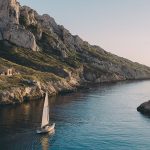
[…] Taghazout has evolved from a sleepy fishing village into one of the world’s most sought-after surf destinations. This comprehensive Taghazout travel guide reveals everything you need to know about visiting […]